

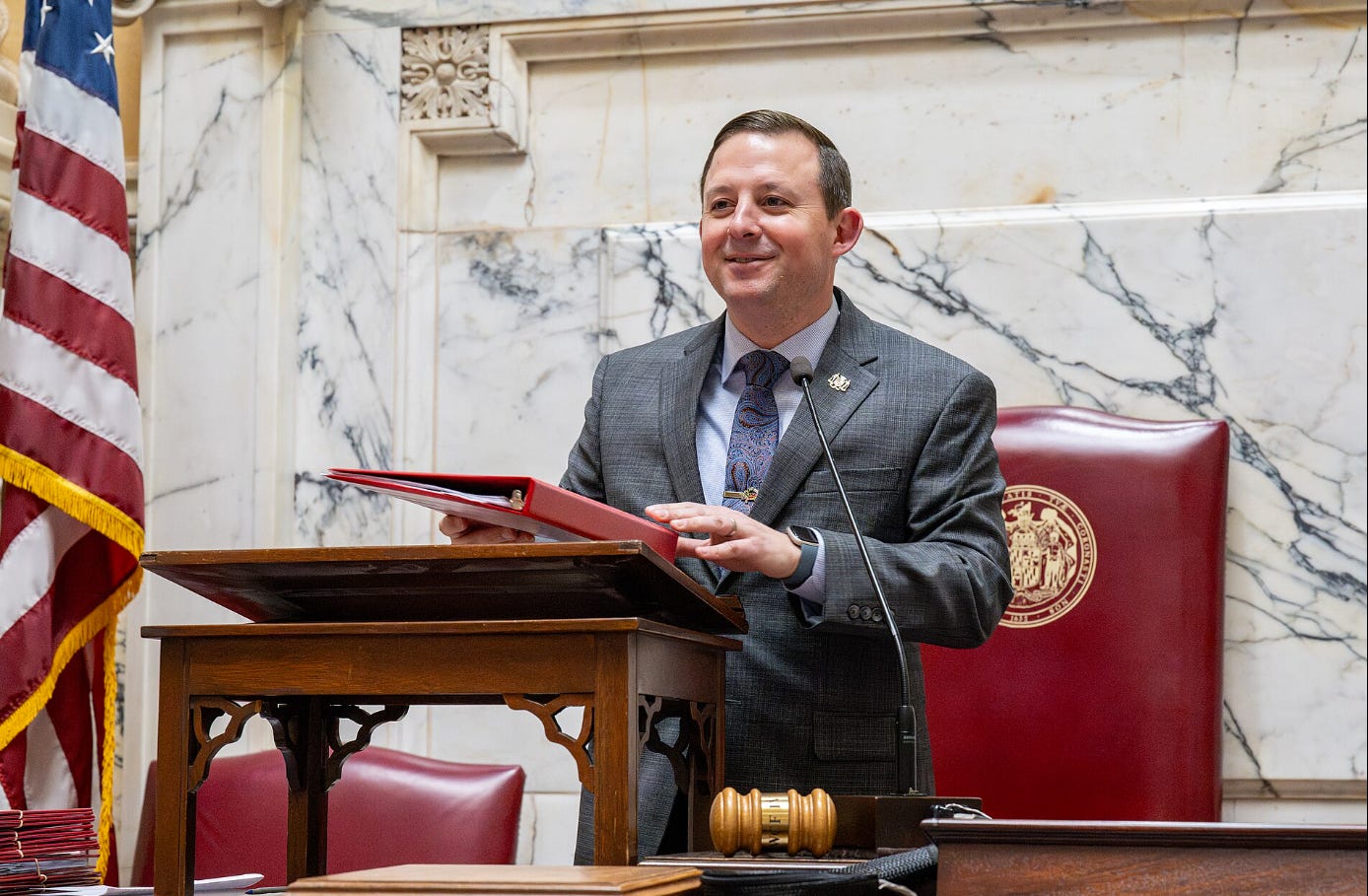
The Tuesday Scramble: If Ferguson Falls, Who Claims the Gavel?
ANNAPOLIS — In the high-stakes theater of Maryland politics, few axioms are as reliable as the absolute supremacy of an incumbent Senate President. Armed with an inexhaustible campaign war chest, the institutional loyalty of a disciplined caucus, and total control over the legislative machinery, a presiding officer is typically considered untouchable.
Yet, as Tuesday’s primary approaches, the whispers in the corridors of the State House have grown deafening. Senate President Bill Ferguson (D-46) is in serious trouble.
Because the deep-blue composition of Baltimore City’s 46th District renders the general election a mere formality, the entire game will be decided on Tuesday. While a standard political calculus would place an incumbent of Ferguson’s stature in the “solid gold” category, a series of self-inflicted wounds has fundamentally altered the landscape. Facing a primary challenge from Bobby LaPin—a candidate whose sketchy political profile would normally make him an afterthought—Ferguson finds himself trapped in a margin-of-error race. Experienced hands are privately pegging his reelection chances at an astonishingly low two-out-of-three. For a sitting Senate President, those are catastrophic odds.
If the unthinkable occurs and Ferguson falls, the Maryland State Senate will immediately plunge into a historic, blood-sport scramble to select a new leader. The backroom wrangling will not wait for official certification; it will begin the moment the first tranches of mail-in ballots drop.
But the calculus of picking a Senate President is never a pure battle of resumes. It is a ruthless matrix of personal alliances, transactional loyalty, and, above all, geographic equilibrium.
The Prince George’s Imbalance
When political insiders begin drafting shortlists, the conversation invariably detours toward deep institutional minds like Senator Jim Rosapepe. The former ambassador possesses a formidable policy intellect and a vast network within the Democratic caucus. Yet, experienced map-makers have already crossed his name off the ledger for two unyielding reasons: continuity and geography.
At 75 years old, Rosapepe runs counter to a Senate culture that deeply prizes long-term institutional stability. More critically, the structural geography of Maryland’s top-tier leadership has fundamentally shifted. Following the retirement of Speaker Adrienne Jones due to health complications, the House of Delegates unanimously elevated Delegate Joseline Peña-Melnyk (D-21) to the speaker’s chair.
Peña-Melnyk’s rise represents an iconic milestone as the first Afro-Latina to lead the chamber, but it also anchors the House gavel firmly in Prince George’s County. In the strict geometry of Annapolis power-sharing, placing a Prince George’s senator in the presidency alongside a Prince George’s Speaker is a non-starter. The regional math simply will not allow it; Baltimore City, Montgomery County, and the rural delegations would aggressively move to block a total monopoly of power by the Washington suburbs.
To find the next Senate President, we must look to a younger generational bracket—senators in their 40s and 50s who have accumulated massive structural capital and hold the committee keys to the kingdom.
The Heavyweights: Guzzone vs. Smith
If the Democratic caucus prioritizes established executive weight and a proven command of state mechanics, the race immediately narrows to two powerful committee chairs.
+------------------+-----------------------+-------------------------+
| Attribute | Sen. Guy Guzzone | Sen. Will Smith |
+------------------+-----------------------+-------------------------+
| District / Co. | Dist. 13 (Howard) | Dist. 20 (Montgomery) |
| Committee Chair | Budget & Taxation | Judicial Proceedings |
| Core Strength | The Purse Strings | Generational Appeal |
| Strategic Hurdle | Low-Profile Style | The “MoCo Fatigue” |
+------------------+-----------------------+-------------------------+
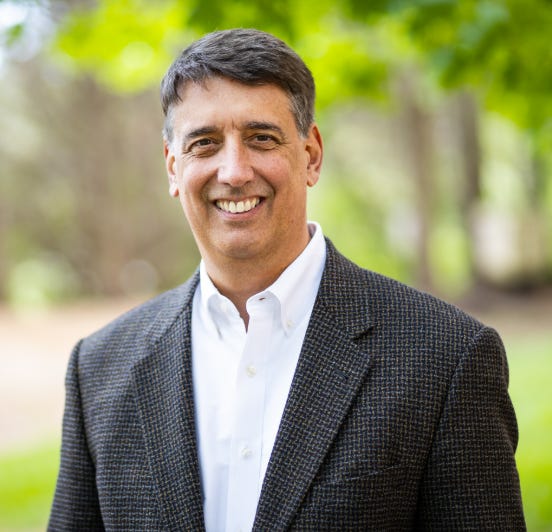
Senator Guy Guzzone (Howard County)
As the architect of the Budget and Taxation (B&T) Committee, Guzzone sits on top of the state’s financial clearinghouse. In Annapolis, power is currency, and Guzzone controls the allocations, local capital grants, and budget line items that every individual senator needs to survive back home.
The Case: Guzzone represents the ultimate geographic truce. Howard County sits neatly between the competing orbits of Baltimore and Washington, insulating him from regional turf wars. He is an institutionalist’s institutionalist—quiet, highly calculated, and backed by a dense web of personal favors owed to him across the aisle.
The Friction: While he is an elite numbers man, running a budget committee requires an entirely different political muscle set than navigating the floor friction of a highly volatile caucus.
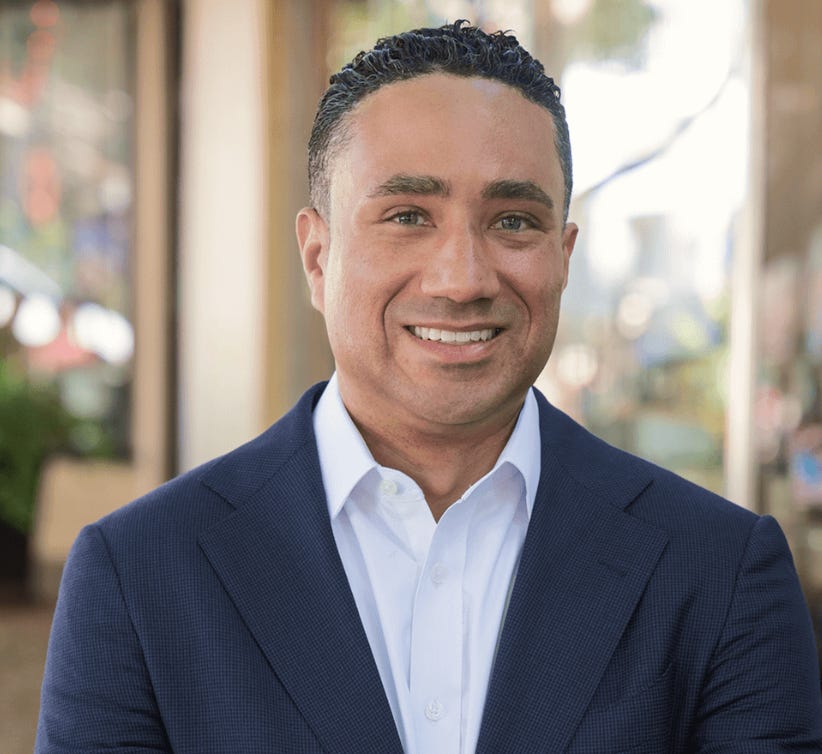
Senator Will Smith (Montgomery County)
At 44, the Judicial Proceedings (JPR) Chair represents the exact generational pivot point that the younger, increasingly progressive faction of the caucus is craving. A Navy Reserve intelligence officer, Smith possesses a polished, commanding style that has allowed him to navigate hyper-contentious legal and social reform battles without alienating the center-right of his party.
The Case: He is modern, exceptionally well-liked, and a masterful communicator who could effectively counter-balance Governor Wes Moore’s executive power.
The Friction: His potential ascension carries heavy strategic baggage. Everyone in Annapolis knows that Montgomery County desperately wants to reclaim the governorship in 2030. Elevating Will Smith to the Senate Presidency gives him an unmatched statewide launching pad, a reality that deeply unnerves ambitious Democrats in Baltimore and Southern Maryland. Brooke Lierman desperatly wants anyone except Will Smith. Furthermore, giving the gavel to a Montgomery County senator always risks triggering an undercurrent of “MoCo fatigue” from the rest of the state.
The Tacticians and Dark Horses
If the top two chairs neutralize each other, the path opens for the chamber’s elite tactical operators.
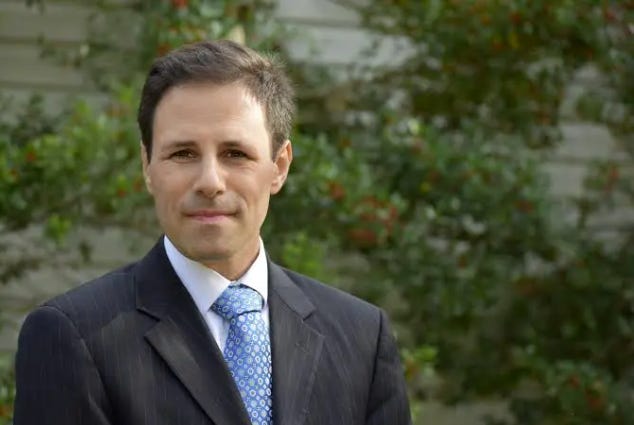
The Inside Operator — Senator Craig Zucker (Montgomery County):
As the Senate Democratic Caucus Chair, Zucker’s primary mandate is relationship management. He handles the political anxieties and campaign operations for the members. He knows exactly what each senator needs to survive, making him a formidable behind-the-scenes broker. However, like Smith, he faces the structural barrier of carrying the Montgomery County label.
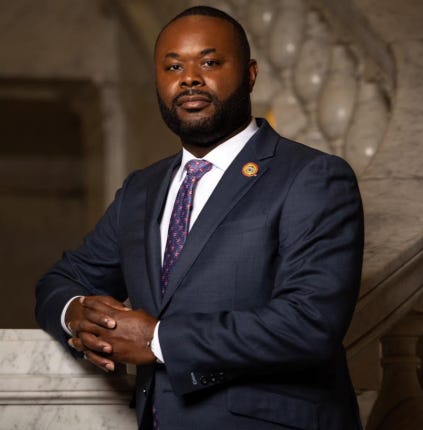
The Urban Enforcer — Senator Cory McCray (Baltimore City):
If Ferguson falls, Baltimore City loses its seat at the Big Table. The City delegation will be unified in their fury and desperate to retain the presidency. McCray, a dynamic operator in his early 40s with deep roots in organized labor, is the logical champion to keep the gavel in Baltimore. His aggressive, unapologetic advocacy for urban resources makes him a powerhouse, though his sharp political edges occasionally cause anxiety among suburban moderates.
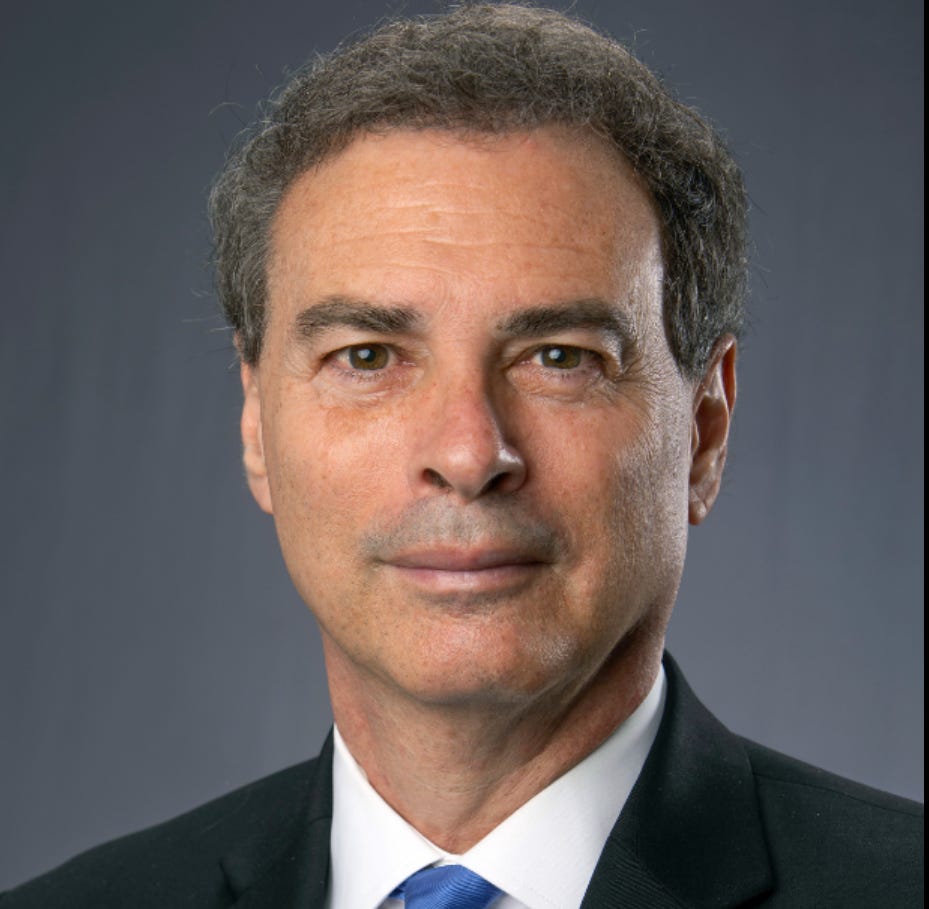
The Consensus Compromise — Senator Brian Feldman (Montgomery County):
The Chair of the Education, Energy, and the Environment (EEE) Committee is widely viewed as a brilliant, objective policy mediator. If regional warfare breaks out between Baltimore City and Montgomery County, Feldman could emerge as the clean, unifying compromise candidate to steady the ship.
The Verdict
A Ferguson loss would completely rewrite the power dynamics of the General Assembly. The ensuing battle will not be won on policy treatises or legislative records; it will be decided in late-night phone calls anchored on raw leverage and personal trust.
If the caucus demands a steady, status-quo hand who can protect members through the state budget, Guy Guzzone has the ledger of favors required to take the floor. But if the younger contingent views Tuesday as an implicit mandate to restructure the Senate’s power architecture, Will Smith possesses the cross-factional friendships to overcome the Montgomery County stigma and seize the gavel—instantly setting up a seismic shift looking toward the 2030 horizon.
N.B. As I edit I realize Cory McCray could be a frontrunner.
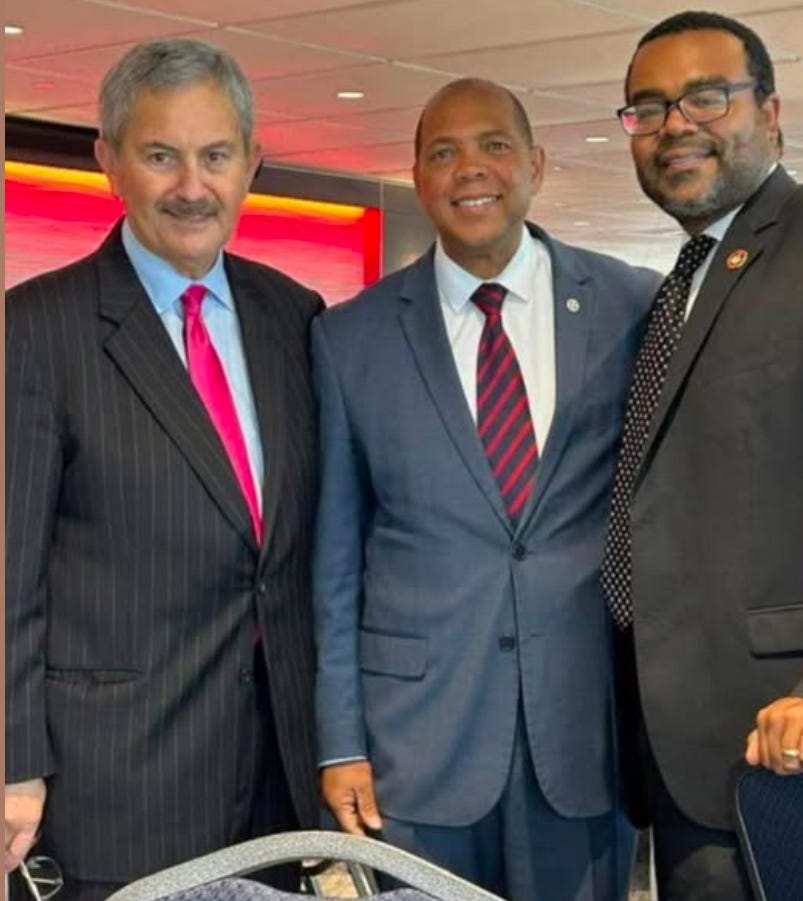
Charles Sydnor: The Quiet Consensus Candidate If the Senate Deadlocks
If Tuesday night produces a political earthquake in District 46 and the Senate finds itself without a presiding officer, most of the early speculation will center on the usual power blocs — committee chairs, regional anchors, and long‑tenured institutional players. Senator Charles Sydnor of Baltimore County’s District 44 will not appear on any of those first‑tier lists.
And yet, in a prolonged deadlock, he is exactly the kind of figure who can suddenly become viable.
Sydnor is respected across ideological, geographic, and generational lines. He is not flashy, not factional, and not someone who has ever angled for leadership. His colleagues describe him as steady, diligent, and unfailingly prepared. He does the work, avoids unnecessary conflict, and has built a reputation for being the person you can hand a problem to and trust that it will be handled quietly and competently.
He is also one of the few senators who has accumulated a wide network of goodwill without accumulating enemies. He has helped colleagues on bills, shepherded technical fixes, and stepped in on complicated legal or civil‑rights questions without demanding credit. Many senators — especially newer members — owe him favors. None fear him. None resent him.

The Rare Combination
Sydnor is not a vote‑whip, not a power broker, and not a self‑promoter. He would never run for Senate President, never campaign for it, and never build a faction to pursue it. But in a chamber split between competing camps — Baltimore vs. Prince George’s, progressives vs. moderates, committee chairs vs. regional delegations — a figure like Sydnor becomes valuable.
He is the kind of senator people turn to when they need a neutral steward, not a conqueror.
If the Senate coalesces quickly around a successor, Sydnor will not be in the mix. But if the chamber fractures, stalls, or cannot agree on a first‑choice candidate, he becomes the consensus fallback — the person everyone respects, no one opposes, and everyone can live with.
Not the frontrunner.
Not the architect.
But the compromise who could hold the gavel if no one else can.
Barry,
Since we're apparently already handicapping the post-Ferguson succession race, let me save everyone some guesswork.
If Senator Ferguson loses and the Senate chooses Will Smith, Guy Guzzone, or Jim Rosapepe as the next Senate President, I'll still be here for the next four years giving them absolute hell.
In fact, Will Smith would be my last choice.
Advocates are tired of being told to celebrate Democratic supermajorities while watching bill after bill die in committee. Women's health bills. Survivor protection bills. Childcare bills. Economic justice bills. Civil rights bills. House-passed bills that never make it across the finish line.
The question isn't who can manage personalities, distribute favors, or position themselves for higher office. The question is who will actually move legislation.
For years, advocates have been told to wait, be patient, trust the process, trust leadership, trust the committees, trust the institution. Meanwhile, families, survivors, women, and marginalized communities keep being told their priorities can wait another year.
So if we're talking about Senate Presidents, my metric isn't who has the strongest coalition of insiders. It's who is willing to stop treating the Senate like a graveyard for legislation.
And if the answer is "none of the above," then they should expect scrutiny from advocates on day one.
However the people speak, any leadership needs to address the current friction between the state’s resistant cabinet and agency culture of siloism in the face of the Moore-Miller administration’s whole-of-government mandates.
The lack of interoperable shared data and supporting digital systems in a state now fully wired for broadband, is wreaking havoc on distributed enterprises who battle government agency silos daily.
Entire economies such as small farm diversified agriculture are completely invisible to the Comptroller’s office.
The current government structures were built for the 20th century. Elected officials need to aggressively push through legislation to catalyze economies that already exist but need 21st century infrastructure.