

Parson Rezin Williams, Governor Bowie, and the Echoes of Cruelty
By Barry O’Connell
Parson Rezin Williams was born free in 1822 on the Bowie family’s Fairview plantation in Prince George’s County, Maryland. His freedom was a fragile gift: his grandmother was the daughter of an Indian chief, and under Maryland law that lineage spared him from slavery. His father, Rezin Williams Sr., had worked for George Washington at Mount Vernon. Yet despite this heritage, Williams grew up surrounded by bondage, living among men and women whose lives were owned outright.
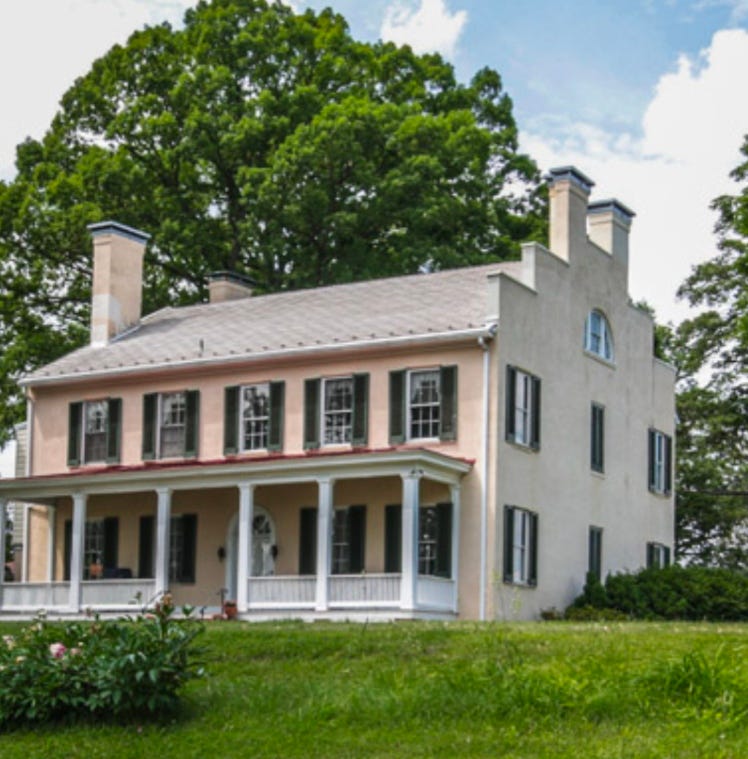
On the Bowie plantation, Williams learned to read. Unlike many of his peers, he was not forbidden literacy. The Bowies themselves were never opposed to Black education. In fact, after the Civil War, Governor Oden Bowie and his wife would establish Bowie State Normal School, the institution that grew into Bowie State University. Education was not seen as a threat but as a foundation for uplift.
Williams’s calling was the gospel. He longed to preach Christ’s word to those trapped in slavery’s chains. Governor Bowie, recognizing his mission, gave him a mule so he could travel from plantation to plantation across Prince George’s County. With that mule, Williams carried sermons, hymns, and hope into quarters where despair was the daily bread. He became a bishop in the Union American Methodist Church (Colored), and his spirituals echoed long after his voice grew frail.
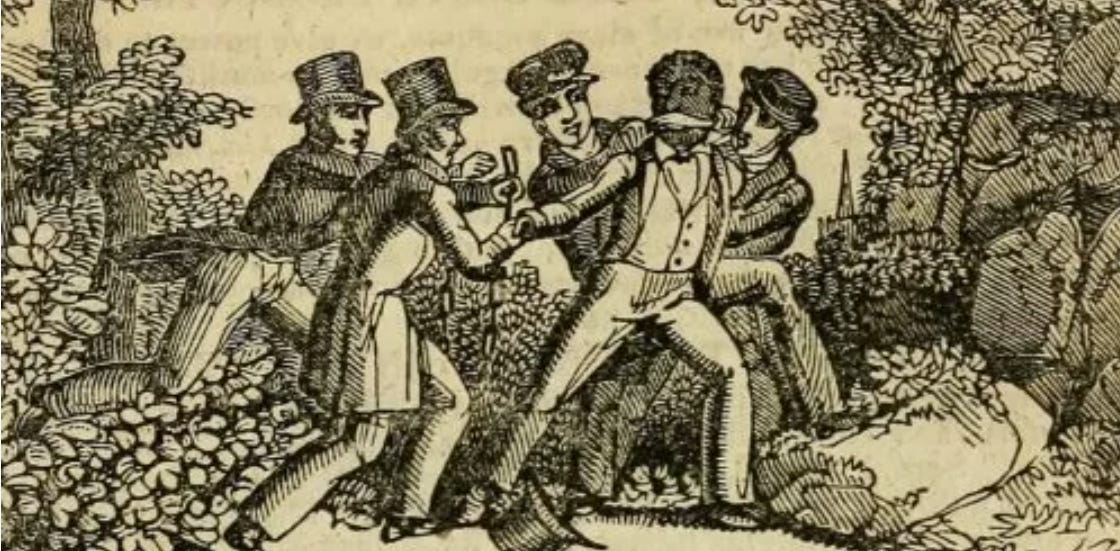
But freedom was never secure. One night, returning from a Bible meeting, Williams was stopped by patrollers — “patty‑rollers,” as Black folk called them. These men, low‑life enforcers of slavery’s order, believed he must be a runaway. They threatened to tar and feather him, then sell him for reward. It was a moment when his free birth meant nothing, when violence and greed nearly swallowed him whole.
Word reached Fairview. Oden Bowie, famed horseman, later Governor of Maryland and founder of the Preakness Stakes, mounted one of his prized stallions and rode hard into the night. Bowie’s horses were among the finest in the nation, bred from stock his family had once supplied to George Washington. That night, one of those horses carried him to Williams’s rescue. He arrived before the patrollers could act, saving Williams from a fate that would have erased his freedom and his ministry.
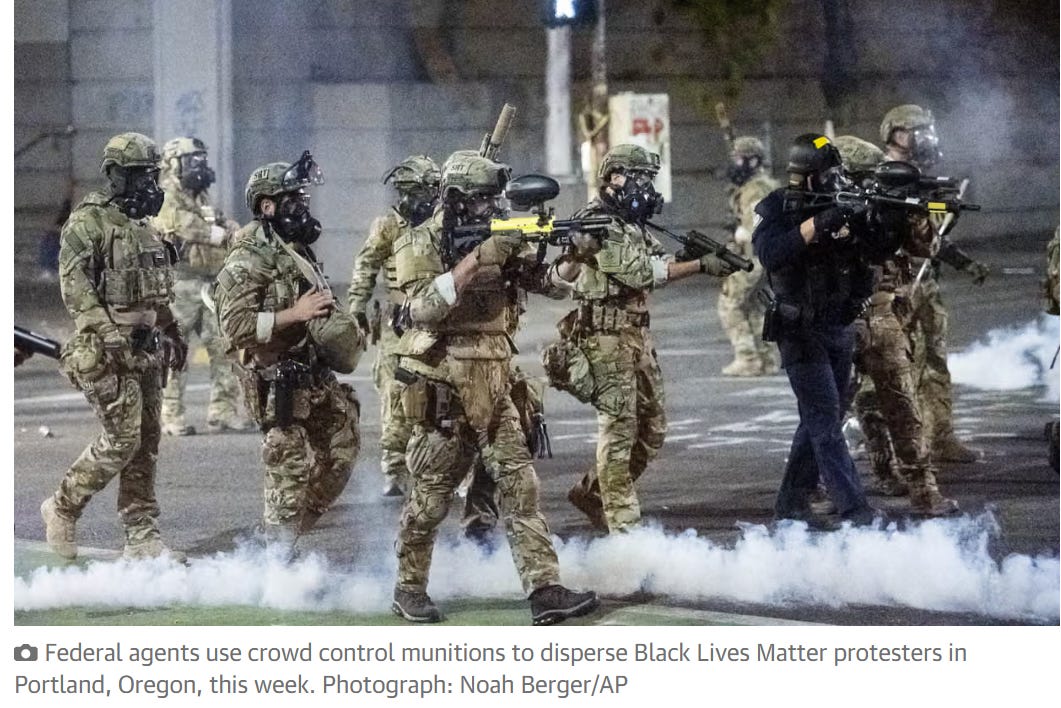
This story is heroic, but it is also haunting. Watching recent footage of Hispanic men attacked by ICE, I could not help but think of Williams. The same cruelty, the same presumption of guilt, the same brutality. But unlike Williams, there is no Bowie riding in on a magnificent stallion to stop the assault. Today, people may film, shout, or post indignantly online — but the raids continue. The brutality is unchecked. The parallel is stark: patty‑rollers then, ICE now. Both enforcing systems of exclusion with violence. Both targeting the vulnerable. The difference is that Williams had a rescuer. Those men today did not.
Parson Williams is one of my heroes. His survival, his ministry, his Civil War service, his longevity — all testify to resilience. But his near‑lynching reminds us how fragile freedom was, even for those born free. Seeing ICE attacks today brought tears to my eyes, because America is repeating a pattern of cruelty. Slavery was wrong. Brutal deportations are wrong. The offense is not in the law itself but in the inhumanity of its enforcement. Deportation may be debated. Brutality must never be tolerated.
We are living through a terribly wrong stage of America. Slavery wasn’t right. What is happening now isn’t right. The story of Parson Rezin Williams reminds us that sometimes one man on a horse can make the difference between life and death. Today, we need more than horses. We need courage, conscience, and a refusal to stand by while cruelty is carried out in our name.
Further Reading
- Slave Narrative of Parson Rezin Williams (WPA, 1937)
- Library of Congress: WPA Slave Narratives, Maryland, Vol. VIII
- History of Bowie State University