

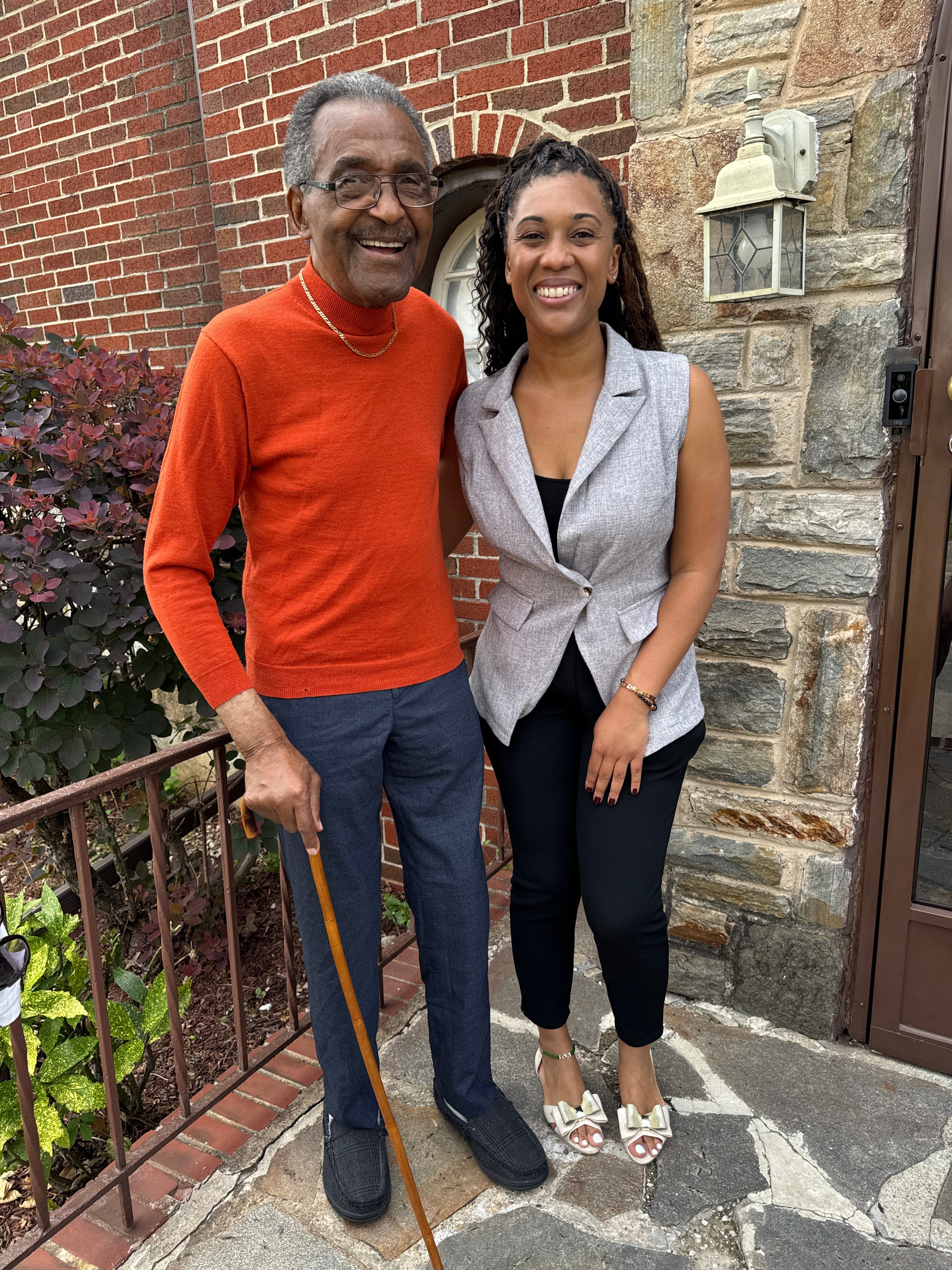
HERB BROWN: THE QUIET ARCHITECT OF BALTIMORE’S BLACK CIVIC POWER
There are people whose names never appear on a ballot, yet their fingerprints are on every generation of leaders who do. In Baltimore, Herbert “Herb” Brown was one of those people — a civic architect whose century‑long life shaped the political, cultural, and communal landscape of West Baltimore. He lived to 101, long enough to see the institutions he built become the foundation stones of a modern Black political class, and long enough to watch the children he mentored grow into the leaders he always believed they could be.
To understand Chazia Cager, you have to understand him.
Not because she trades on his name — she doesn’t — but because he is the soil she grew from.
A Century of Baltimore History in One Life
Born in 1924, Herb Brown came of age in a Baltimore that was segregated, constrained, and tightly policed by the old white political order. But in the neighborhoods of Ashburton and Liberty Heights — the beating heart of Baltimore’s emerging Black middle class — he became part of a generation that quietly built the civic infrastructure that would eventually transform the city.
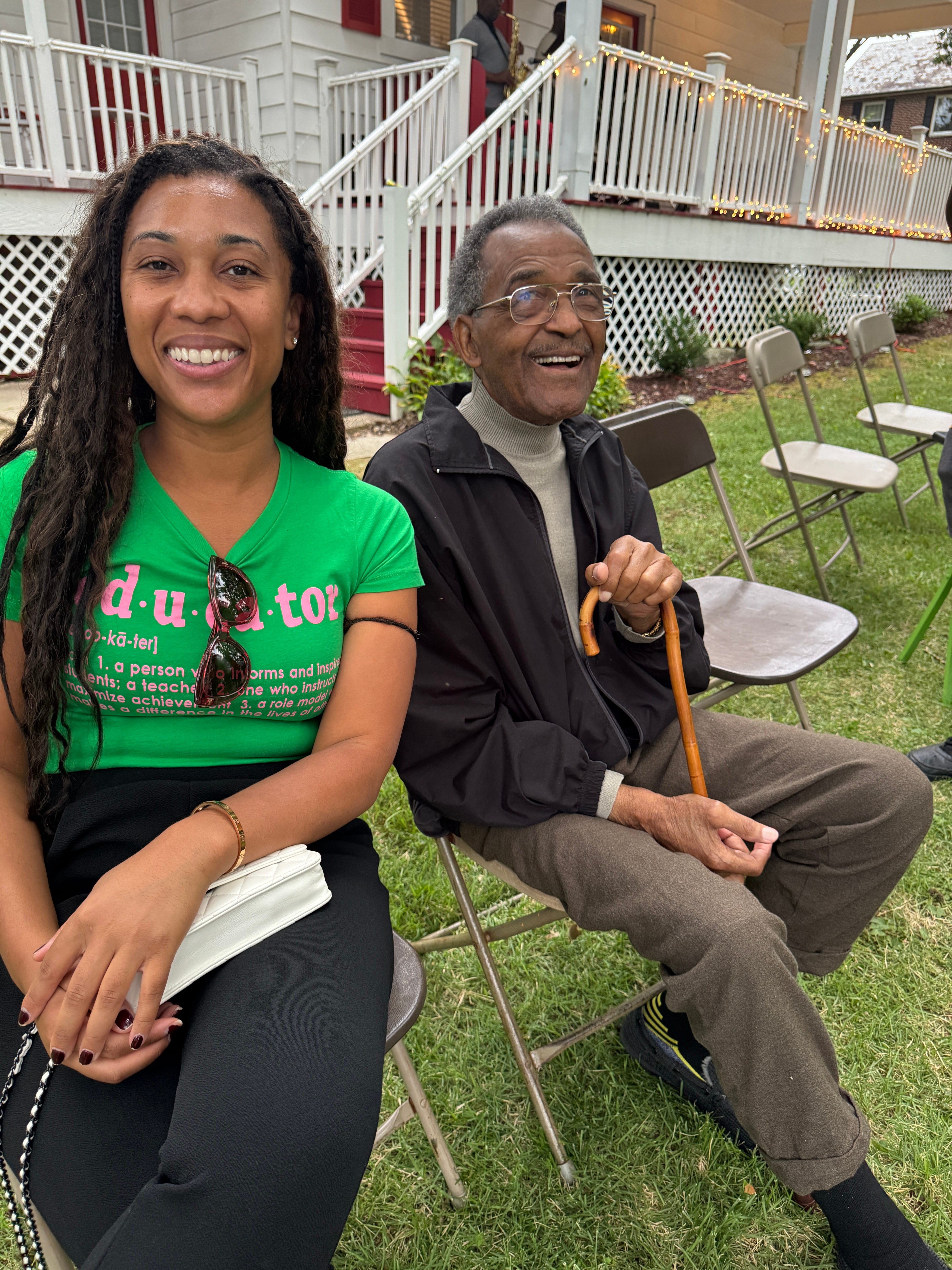
The public record paints a consistent picture:
- A foundational organizer in West Baltimore
- A builder of neighborhood associations, civic clubs, and political networks
- A mentor whose influence spanned multiple generations
- A respected elder whose counsel was sought by leaders across the city
When Governor Wes Moore visited him shortly before his passing in November 2025, it wasn’t a ceremonial gesture. It was a recognition of lineage — a nod to a man whose work helped make Moore’s own rise possible.
Herb Brown wasn’t a machine boss. He wasn’t a ward captain. He wasn’t a backroom operator.
He was something rarer: the civic infrastructure itself.
The Builder of Baltimore’s Black Power Base
The phrase “Black Power Base” gets misused in modern politics, but in Herb Brown’s era it meant something very specific: the creation of durable, community‑rooted institutions that allowed Black Baltimoreans to wield real political power.
According to the AFRO and BMorenews reporting, Brown was central to:
- The political awakening of Ashburton
- The development of civic organizations that trained future leaders
- The creation of networks that connected families, churches, schools, and political clubs
- The mentorship of younger activists and public servants
He was part of the generation that bridged the gap between the civil rights era and the rise of Black political leadership in Baltimore. His work predates the modern political class — and in many ways, made it possible.
The Family Legacy: What He Gave to the Cagers
When Chazia talks about her great‑uncle, she isn’t invoking nostalgia. She’s describing the operating system she was raised on.
Her father learned politics from Herb.
Her cousin Erika learned leadership and family stewardship from Herb.
And Chazia — the one who resisted running for office for years — inherited the part of him that believed public service is a calling, not a résumé line.
Herb Brown gave the family:
- A model of integrity
- A blueprint for community‑rooted leadership
- A belief that public service is sacred work
- A multigenerational sense of duty to Baltimore
He didn’t push them into politics. He prepared them for it.
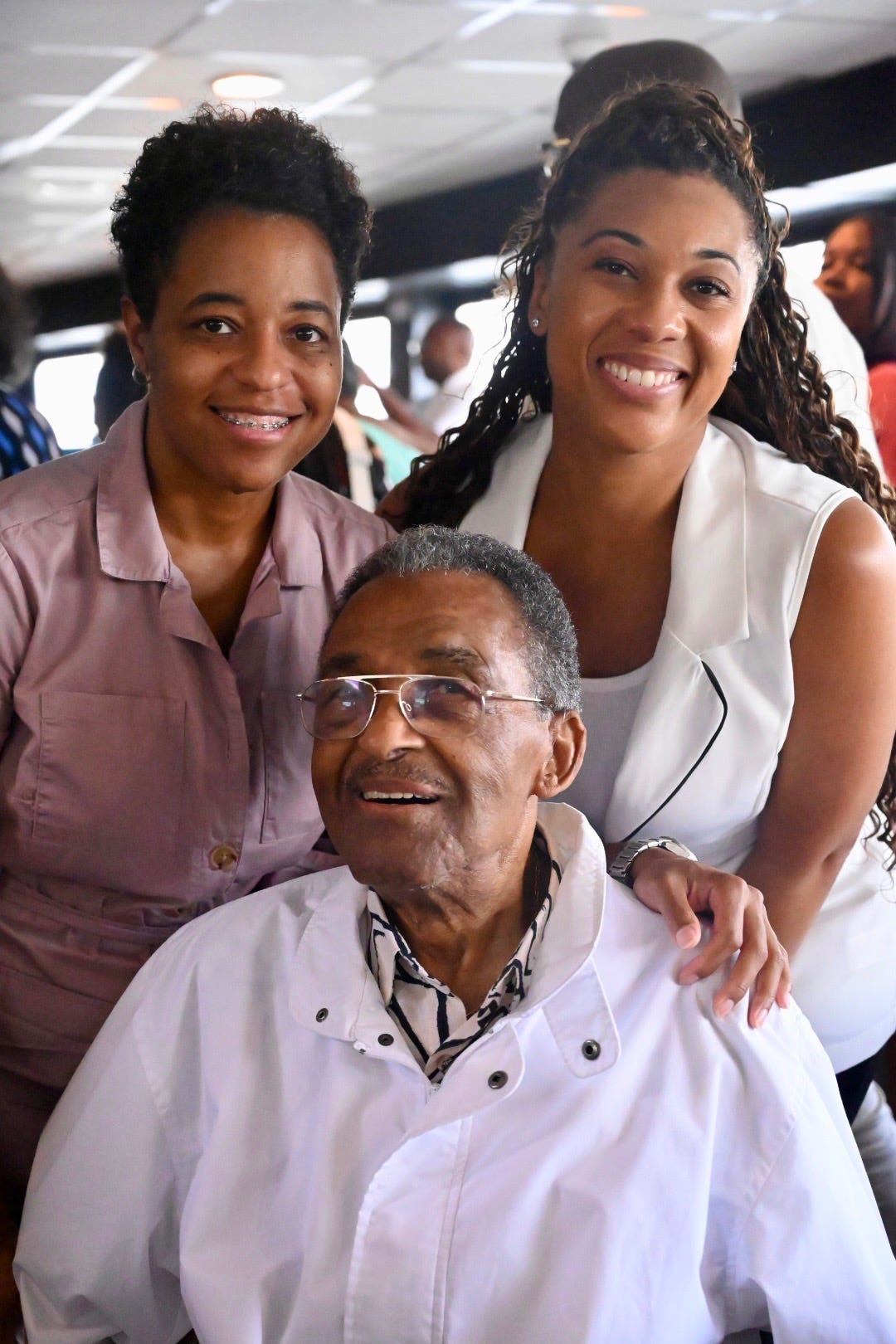
He Is Her Heritage. She Is His Legacy.
When Chazia finally stepped forward to run, she did so with the weight — and the strength — of a century of family history behind her. Herb Brown didn’t live to see her name on a ballot, but he saw the trajectory. He saw the discipline, the service ethic, the operational understanding of government, the ability to move between Baltimore and Washington with fluency. He saw the leader before she saw herself.
In that sense, her campaign is not a break from the past.
It is the continuation of a story that began long before she was born.
Herb Brown built the civic world she now seeks to serve.
And in stepping forward, she becomes the next chapter of the legacy he spent a lifetime constructing.