

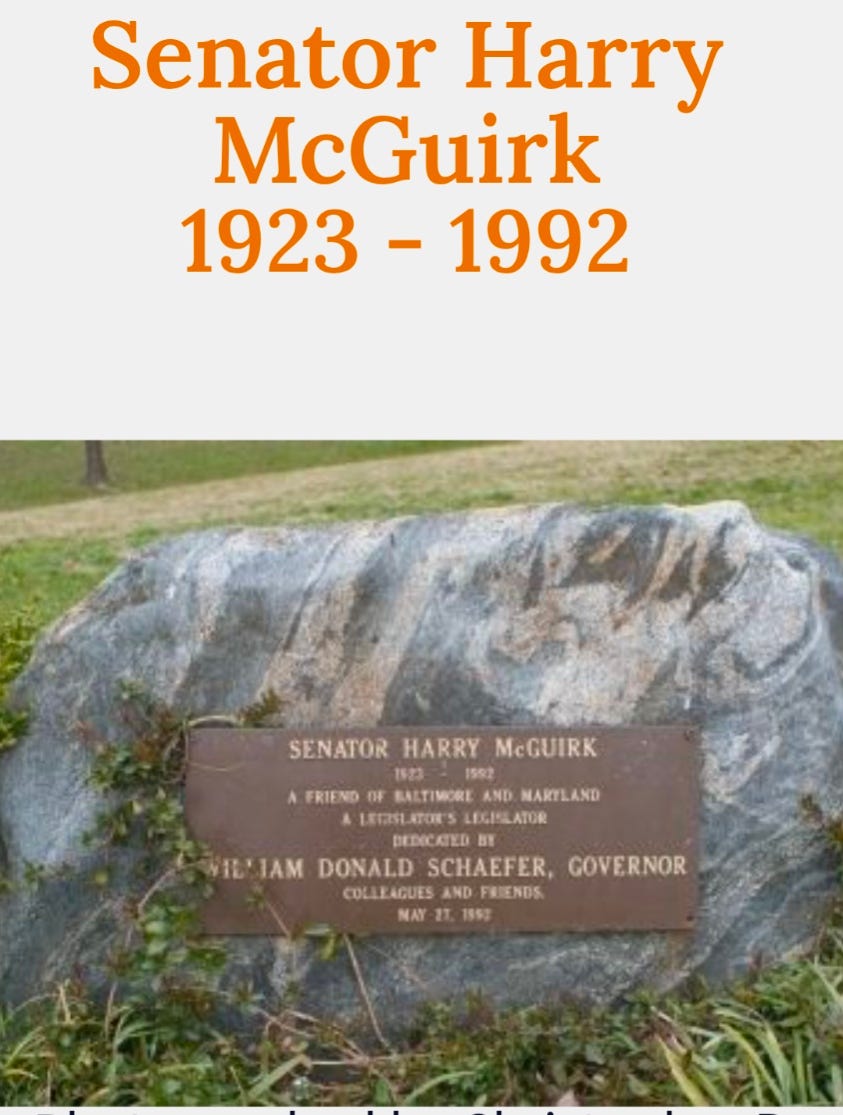
By Barry O’Connell
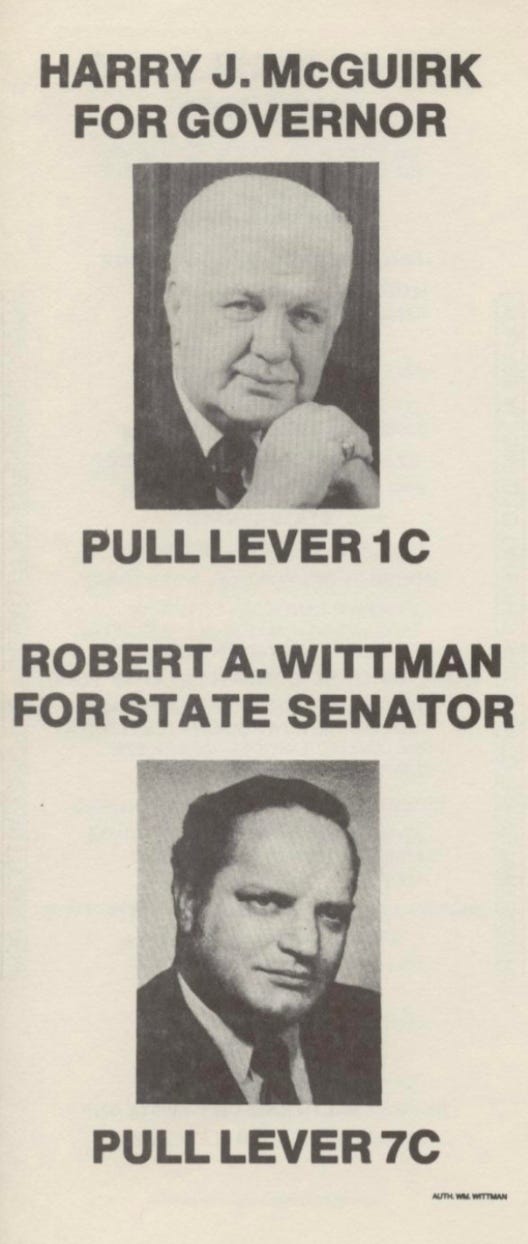
It’s August. The cicadas are humming, the council chambers are quiet, and the only thing moving faster than the humidity is the rumor mill. Summertime politics in Baltimore slows to a crawl—so I figured I’d take a detour. Not into policy or scandal, but into memory. Into the kind of politics that wore silk shirts, carried envelopes, and knew every bartender by name. Into the world of Harry “Soft Shoes” McGuirk.
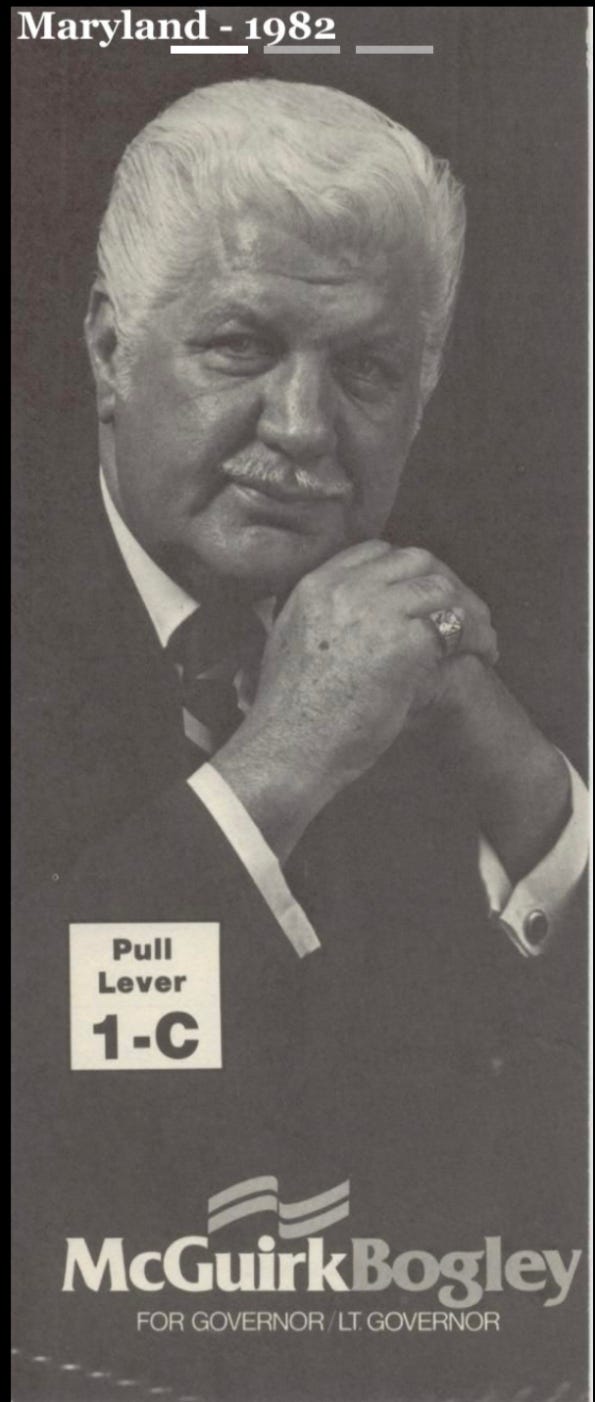
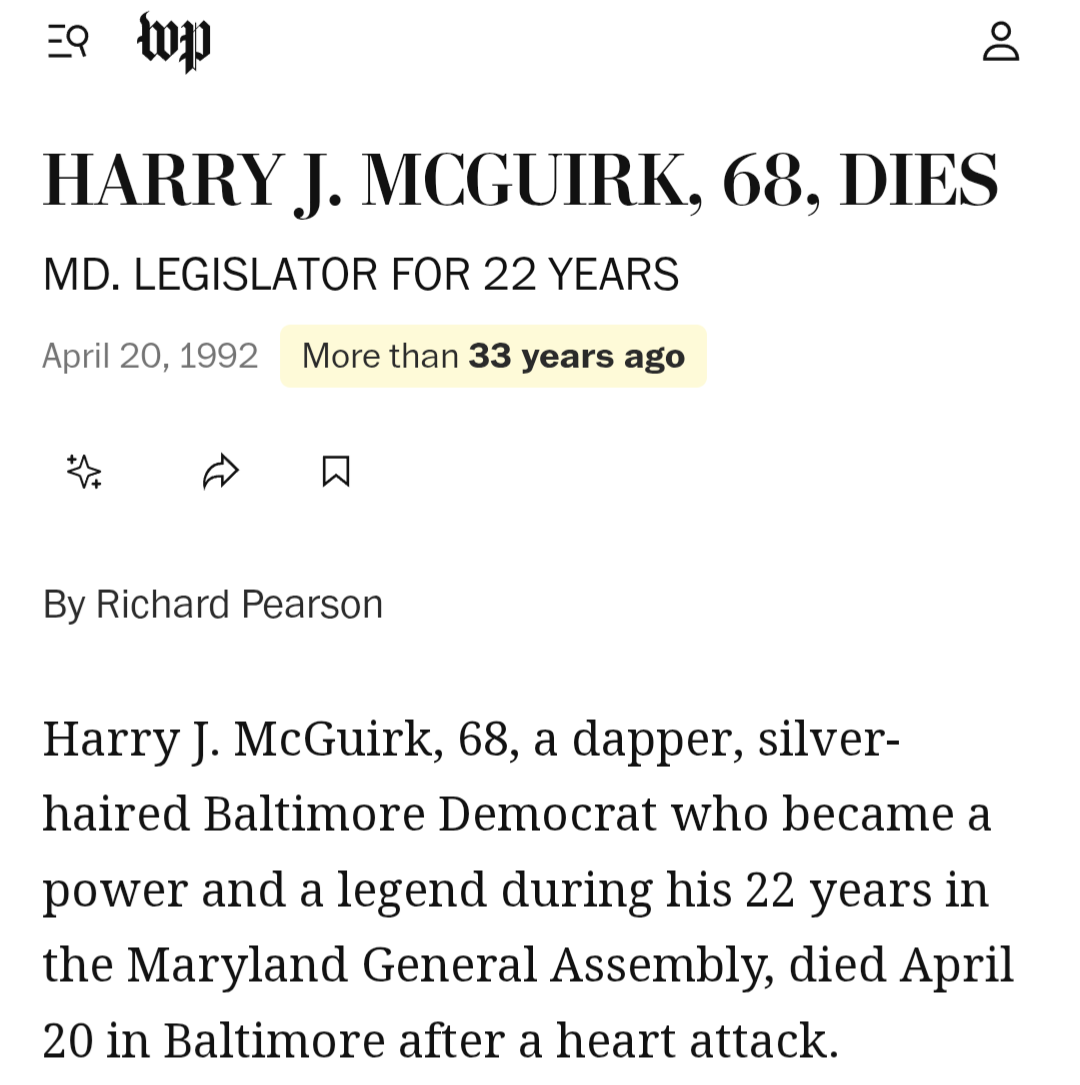
You don’t hear much about Soft Shoes anymore. He died in 1992, and with him went a whole style of politics that today’s operatives wouldn’t recognize if it walked up and offered them a patronage job. But if you want to understand Baltimore—really understand it—you have to start with men like Harry.
🕴️ The Man in the Silk Shirt
Harry McGuirk wasn’t flashy in the modern sense. He didn’t tweet, didn’t posture, didn’t need a communications director. But he was everywhere. South Baltimore was his kingdom, and the Stonewall Democratic Club on Charles Street was his court. He wore soft-soled shoes not just for comfort, but because he moved quietly—through back rooms, union halls, and neighborhood bars—making deals, collecting loyalties, and dispensing favors.
He was a State Senator, yes. Chairman of the Economic Affairs Committee, sure. But titles were incidental. What mattered was that Harry could get things done. Need a job for your cousin? Harry had a city slot. Need a zoning variance? Harry knew the guy. Need to make sure your precinct turned out? Harry had walking-around money.
🧃 Coke Over Beer, Loyalty Over Ideology
Harry didn’t drink. Preferred Coke. But he understood the value of a bar stool. He knew that politics wasn’t made in marble buildings—it was made in corner taverns, union halls, and church basements. His style was transactional, yes, but it was also deeply personal. He remembered names, birthdays, grudges. He didn’t care if you were a socialist or a gadfly—if you showed up and played ball, you had a seat at the table.
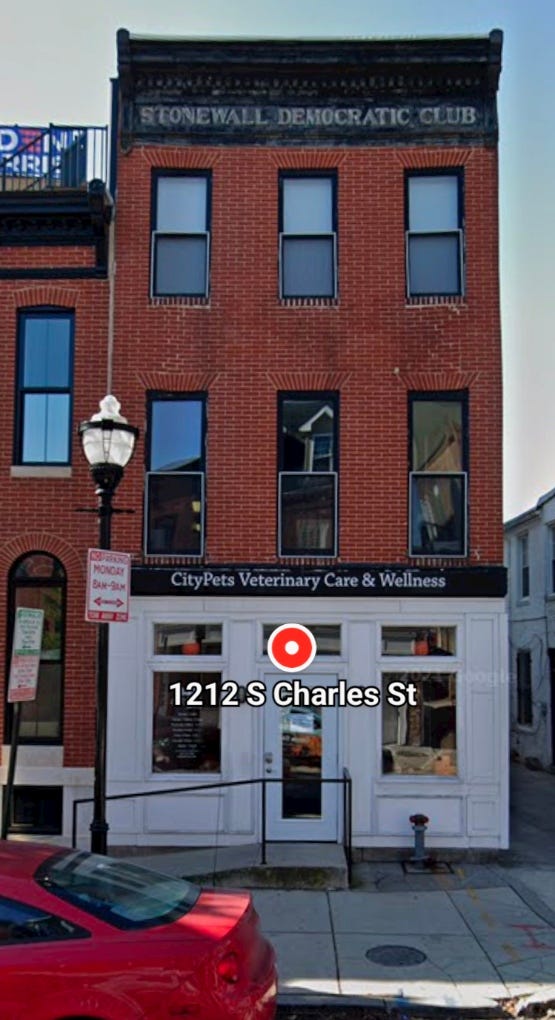
That’s what made the Stonewall Club so unique. It wasn’t progressive in the modern sense, but it was inclusive in a way that today’s sanitized politics often isn’t. Harry gave space to independents, radicals, and the perpetually unelectable. He understood that politics was a mosaic, not a monolith.
🏙️ A Lens into the Old Machine
Harry’s soft shoes are a metaphor for a whole era of Baltimore politics. The kind where power was quiet, favors were currency, and loyalty was everything. It’s the same world that birthed the Northeast’s Currans, with their Irish base. The Mitchells, who carried the weight of Black leadership with both grace and grit. Jack Pollock, the Northeast whisperer. Tommy D’Alessandro, the godfather of Little Italy.
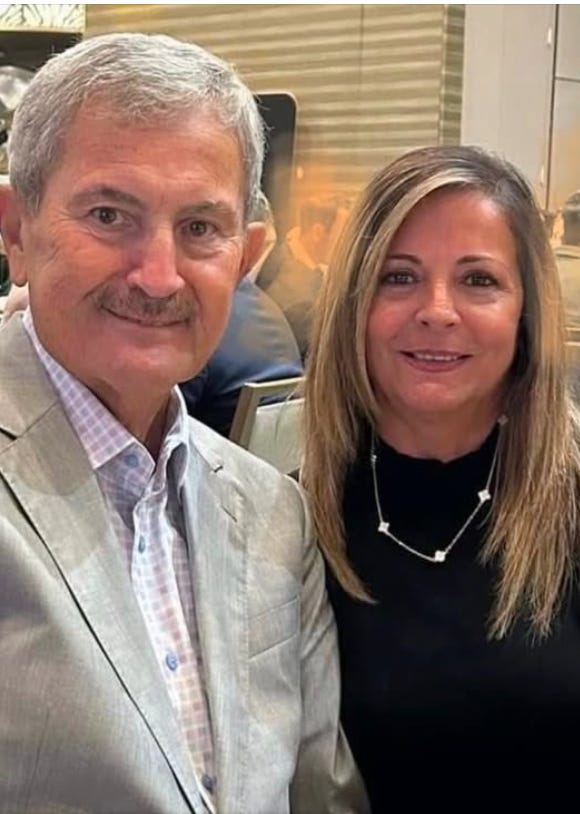
Of course Harry didn't do everything by himself. He was part of a group of friends and allies like governor William Donald Schaefer, and youngsters at that point like the legendary Clemis Kaikis.
Schaefer and McGuirk weren’t just politicians, they were bosses. They didn’t just win elections, they built ecosystems. And while their methods may seem quaint or corrupt to modern eyes, they were effective. They got trash picked up, potholes filled, and kids into summer jobs. They understood that politics is local, personal, and deeply human.
🌆 What We’ve Lost
I don’t know the last time I saw real walking-around money. Or a patronage job that wasn’t buried in HR paperwork. The old machine is gone, replaced by consultants, algorithms, and sanitized talking points. But maybe, in the slow hum of summer, we can remember what it felt like when politics had a pulse. When a man in soft shoes could walk into a room and change your life.
More to come, soon, we’ll head northeast and talk about legends like Jack Pollock, the Currans, the Mitchells, and the art of neighborhood ethnic politics.