


HARFORD COUNTY: THE EXECUTIVE WHO DECLARED WAR ON HIS OWN BADGE
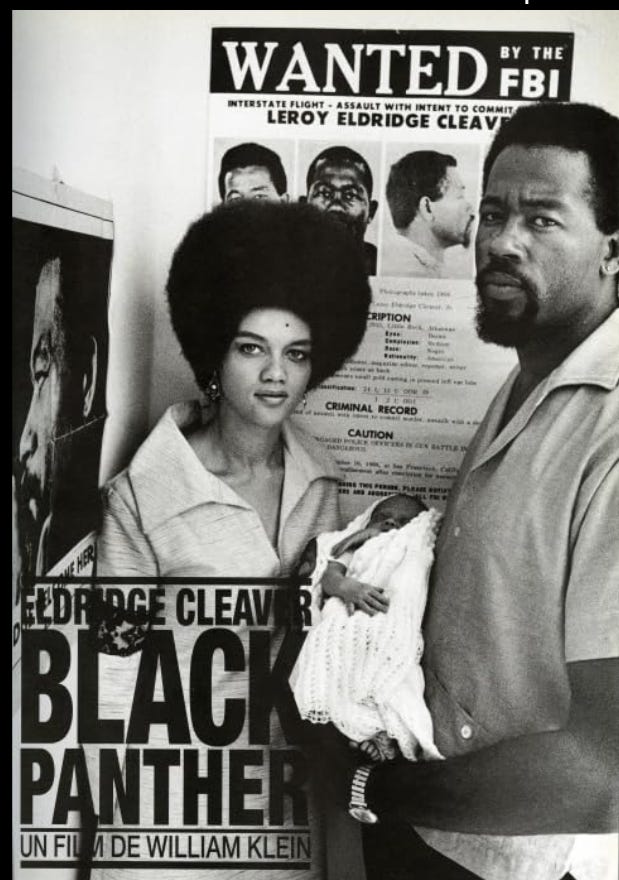
There’s a running joke in Harford political circles that Bad Bob Cassilly governs like he’s auditioning for a 1970s radical memoir. It’s hyperbole, sure — but after this week’s eruption between the County Executive and Sheriff Jeffrey Gahler, the comparison suddenly feels less like satire and more like field notes.
Because what we’re watching isn’t a policy disagreement.
It’s a philosophical rupture between the county’s top elected official and the county’s top law‑enforcement officer — and it’s escalating fast.
THE SHERIFF’S CHARGE: THE ADMINISTRATION KNEW, AND DID NOTHING
Sheriff Gahler’s statement is extraordinary not because it’s fiery — he’s been fiery before — but because it lays out a timeline that directly contradicts the Cassilly Administration’s public claims.
Key points from the Sheriff’s account:
- The Cassilly Administration was notified the day after the arrest.
- Senior staff were allowed to hear the audio of the dispatcher’s comments within ten days.
- On January 16, the Sheriff’s Office sent a five‑page memo detailing the incident, the transcript, and the public‑safety concerns.
- Despite all of this, the dispatcher remained in a critical public‑safety role, answering 911 calls.
- The Sheriff says this wasn’t due process — it was “complicity and/or incompetence.”
That’s not a routine inter‑agency disagreement.
That’s a sheriff accusing the county executive of misleading the public about a threat to officer safety.
THE COUNTER‑NARRATIVE: CASSILLY’S PRESS RELEASE
Cassilly’s press release — the one that triggered Gahler’s response — framed the Deputy Sheriff’s Union as politically motivated and suggested the administration couldn’t act without video footage.
The Sheriff’s rebuttal dismantles that claim:
- The administration didn’t need video; they already had the facts, the audio, and the memo.
- The video wasn’t legally releasable until after adjudication — which is normal.
- The administration requested the video again only after the case concluded.
In other words:
The Sheriff says Cassilly wasn’t waiting for evidence.
He was waiting for cover.
THE POLITICAL REALITY: THIS ISN’T NORMAL
Maryland has seen county executives clash with sheriffs before — but almost always over budgets, staffing, or jurisdictional turf.
What’s happening in Harford is different:
- A county executive publicly attacking the union president of his own deputies
- A sheriff releasing body‑camera footage to contradict the executive
- A direct accusation that the administration endangered public‑safety personnel
- A widening perception that Cassilly’s instinct is to minimize, deflect, and blame rather than manage
This is not the usual dance between elected officials.
This is a breakdown in trust between two institutions that must function together.
THE LARGER QUESTION
Your source’s quip — comparing Cassilly to a 1960s anti‑police revolutionary — lands because it captures the surrealism of the moment.
Harford County didn’t elect a radical.
It elected a former prosecutor.
Yet here we are, watching the county executive:
- Undercut his own law‑enforcement partners
- Attack the union representing the deputies who protect the county
- Defend an employee whose conduct was so alarming that the Sheriff’s Office flagged it as a direct safety threat
If you wrote this as fiction, readers would say you’d gone too far.