


If you follow Maryland politics long enough, you start to notice a strange phenomenon: the further away someone lives from the Chesapeake Bay, the less accurately they can describe a Democrat.
Out in the nationalized media ecosystem, every Democrat — from a Blue Dog in a rural district to a liberal governor in Annapolis — gets flattened into the same cartoon. Nuance disappears. History evaporates. And suddenly, commentators who couldn’t find Prince George’s County on a map are confidently declaring that Bill Clinton governed like a revolutionary and that any Maryland Democrat to the left of Cal Ripken Jr. must be a socialist.
Here at Maryland Wire, we know better.
Maryland’s political culture is its own ecosystem — a blend of pragmatic liberals, institutional Democrats, reform‑minded progressives, and a few outliers who defy easy categorization. The state that produced Barbara Mikulski, Parris Glendening, Elijah Cummings, and Wes Moore is not a one‑note ideological choir.
But national commentators often treat it that way.
Why? Because oversimplifying the Democratic spectrum makes for punchier soundbites. It’s easier to rile up an audience when you collapse seven distinct ideological traditions into one vague label. And it’s even easier when you pretend that “Democrat” is a single, monolithic identity rather than a coalition stretching from business‑friendly centrists to democratic socialists.
So let’s take a moment to restore some clarity — and maybe have a little fun doing it.
What is a Democrat?
What do these labels actually mean?
And why is the difference between a Bill Clinton Democrat and a Bernie Sanders Democrat so obvious to Marylanders — yet so confusing to people who get their political education from national talk shows?
Below is your field guide to the Democratic spectrum, Maryland edition.
What Is a Democrat?
A Guided Tour Through the Party’s Ideological Spectrum
Americans throw around labels like “liberal,” “progressive,” “moderate,” and “far‑left” as if everyone agrees on what they mean. They don’t. Inside the Democratic Party alone, the ideological range runs from business‑friendly centrists to democratic socialists — with several distinct traditions in between.
This guide walks through the major categories political analysts use to describe Democrats, from the most conservative‑leaning to the most left‑leaning, with historical and contemporary examples to show how these labels function in real life.
1. Conservative Democrats / Blue Dog Democrats
These Democrats tend to emphasize fiscal restraint, business‑friendly policies, and culturally moderate positions. They often represent rural, Southern, or swing districts.
Common labels:
- Blue Dog Democrat
- Conservative Democrat
- Right‑leaning Moderate
Often‑cited examples:
- The Blue Dog Coalition in Congress
- Some Southern Democrats of the 1990s and 2000s
- Analysts frequently place figures like former Senator Joe Manchin, Senator John Breaux or former Representative Collin Peterson in this lane
These Democrats are not Republicans-in-disguise; they simply occupy the rightmost edge of the party’s coalition.
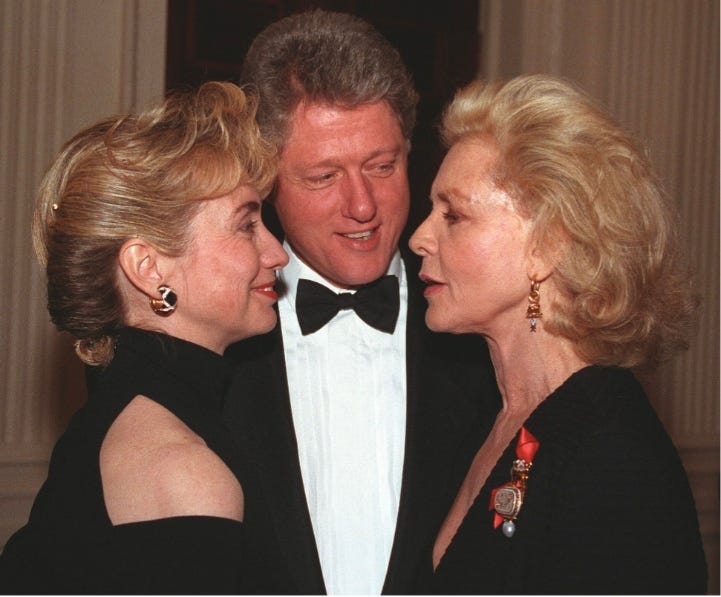
2. Institutional / Establishment Democrats
This is less about ideology and more about orientation. These Democrats work within the party’s long‑standing structures, emphasize coalition‑building, and support incremental change.
Common labels:
- Establishment Democrat
- Institutional Democrat
- Party Leadership Wing
Often‑cited examples:
- Analysts often place long‑serving congressional leaders in this category
- Many governors who emphasize stability and managerial competence
- Commentators sometimes describe Bill Clinton as operating in this lane, especially during the 1990s, when he pursued business‑friendly and deficit‑reduction policies
This is the “party machinery” lane — pragmatic, disciplined, and focused on governing.
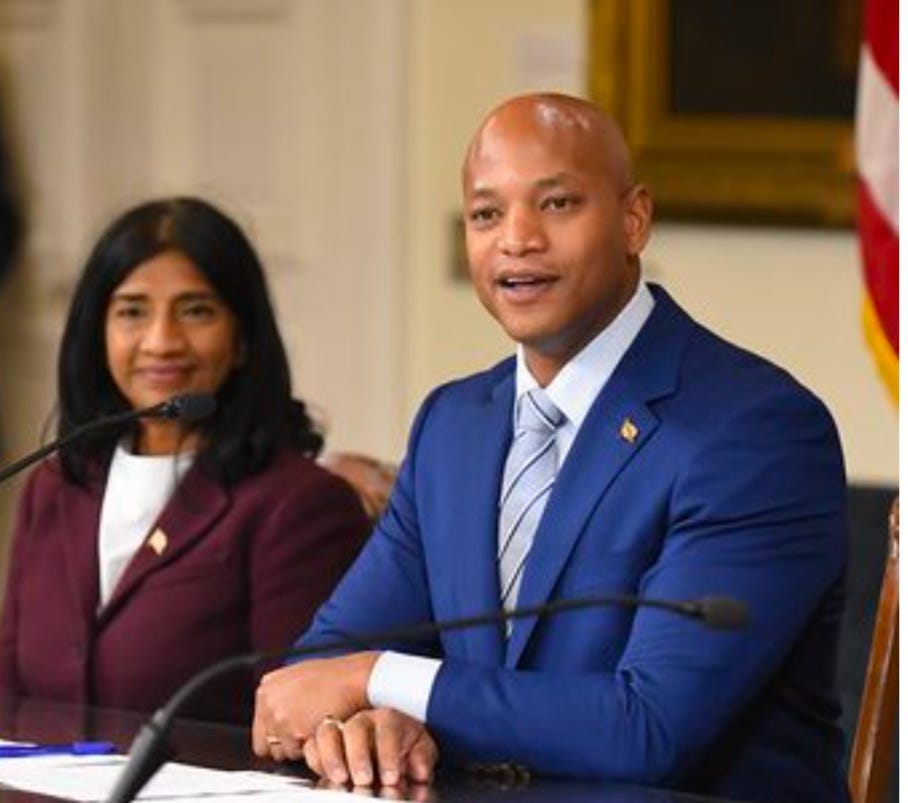
3. Liberal Democrats (Mainstream Liberal)
This is the broad middle of the party today. Liberal Democrats support social welfare programs, civil rights, environmental protection, and a regulated market economy.
Common labels:
- Liberal Democrat
- Center‑Left Democrat
- Mainstream Democrat
Often‑cited examples:
- Many Democratic senators and governors
- Historical figures like John F. Kennedy and Harry Truman are frequently placed here by historians
- Commentators often describe Maryland’s Governor Wes Moore as governing in this lane, emphasizing pragmatic, center‑left policy rather than ideological leftism
This is the lane most Americans think of when they hear “Democrat.”
4. Progressive Democrats
Progressives push for structural reforms, expanded social programs, aggressive climate policy, and stronger regulation of corporations.
Common labels:
- Progressive
- Reform Democrat
- Left‑Liberal
Often‑cited examples:
- Members of the Congressional Progressive Caucus
- Analysts often place figures like Elizabeth Warren in this lane due to her focus on structural economic reform
Progressives are firmly inside the Democratic Party but push it to be more ambitious.
5. Democratic Socialists / Left‑Wing Democrats
This group advocates for social‑democratic or democratic‑socialist policies. They often support large expansions of the welfare state, public control of key sectors, and anti‑monopoly measures.
Common labels:
- Democratic Socialist
- Left‑Wing Democrat
- Social‑Democratic Wing
Often‑cited examples:
- Members of the Democratic Socialists of America who run as Democrats
- Analysts frequently place Bernie Sanders here, noting his long‑standing identification as a democratic socialist
This lane is distinct from progressives: more ideological, more systemic in its critique of capitalism, and more focused on large‑scale transformation.

6. Far‑Left / “Neo-Tankie‑Adjacent” (Informal, Not a Party Category)
This is not an official Democratic faction. It’s a term used in commentary to describe individuals whose views fall outside the mainstream Democratic coalition — often Marxist, anti‑imperialist, or revolutionary in orientation.
Common labels:
- Far‑Left
- Marxist Left
- “Tankie” (slang, A term for communists who stayed loyal to Russia after the 1956 Russian invasion of Budapest.)
Often‑cited examples:
- Activists or commentators who critique the Democratic Party from the left
- Individuals who may vote Democratic but do not align with the party’s policy framework
This group is culturally adjacent to the party but ideologically outside it. In Maryland we see groups such as Shore Progress who often line up with the Democrats but will hold a meeting where they endorse candidates and not endorse the governor even when it’s a good solid Democrat like Governor Wes Moore. Less charitable people in Maryland politics refer to them as “ DOC: Democrats of Convenience.”
Why These Distinctions Matter
When someone says “liberal Democrat,” they might mean:
- A mainstream liberal
- A progressive
- A democratic socialist
- Or simply “someone to my left”
Without definitions, the labels become political Rorschach tests.
For example:
- Bill Clinton is often described by conservative commentators as “far left,” but political scientists typically place him on the right‑leaning, institutional, business‑friendly side of the Democratic spectrum.
- Wes Moore is sometimes described by critics as “socialist,” but analysts generally categorize him as a center‑left, liberal Democrat with a pragmatic governing style.
- Bernie Sanders is frequently cited as the clearest example of the democratic socialist lane.
Understanding the spectrum helps clarify not just who Democrats are, but how broad the coalition actually is.
Thank you for finally speaking up about Jared’s Soviet and Islamist sympathies, his concerning skepticism of our commitment to NATO and Ukraine, and his fundamental disloyalty to the Wes Moore administration. We all need to be seriously asking ourselves if Jared Schablein really belongs in the Democratic Party tent. He’s just not a team player.