

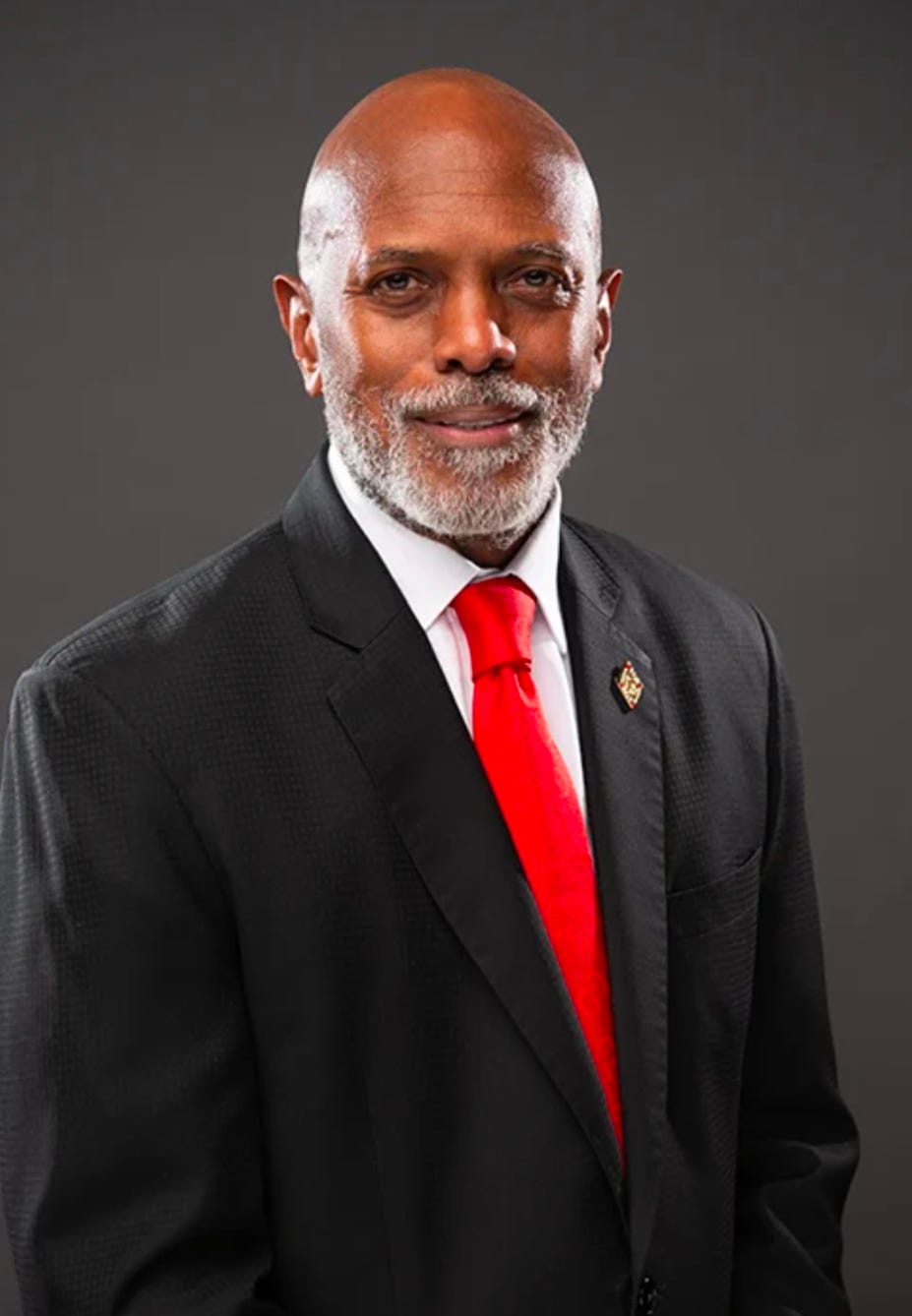
🧭 Ethics, Contracts, and Quiet Reversals: What Happened to Senator Ron Watson’s $200K Consulting Role?
By Barry O’Connell
October 18, 2025
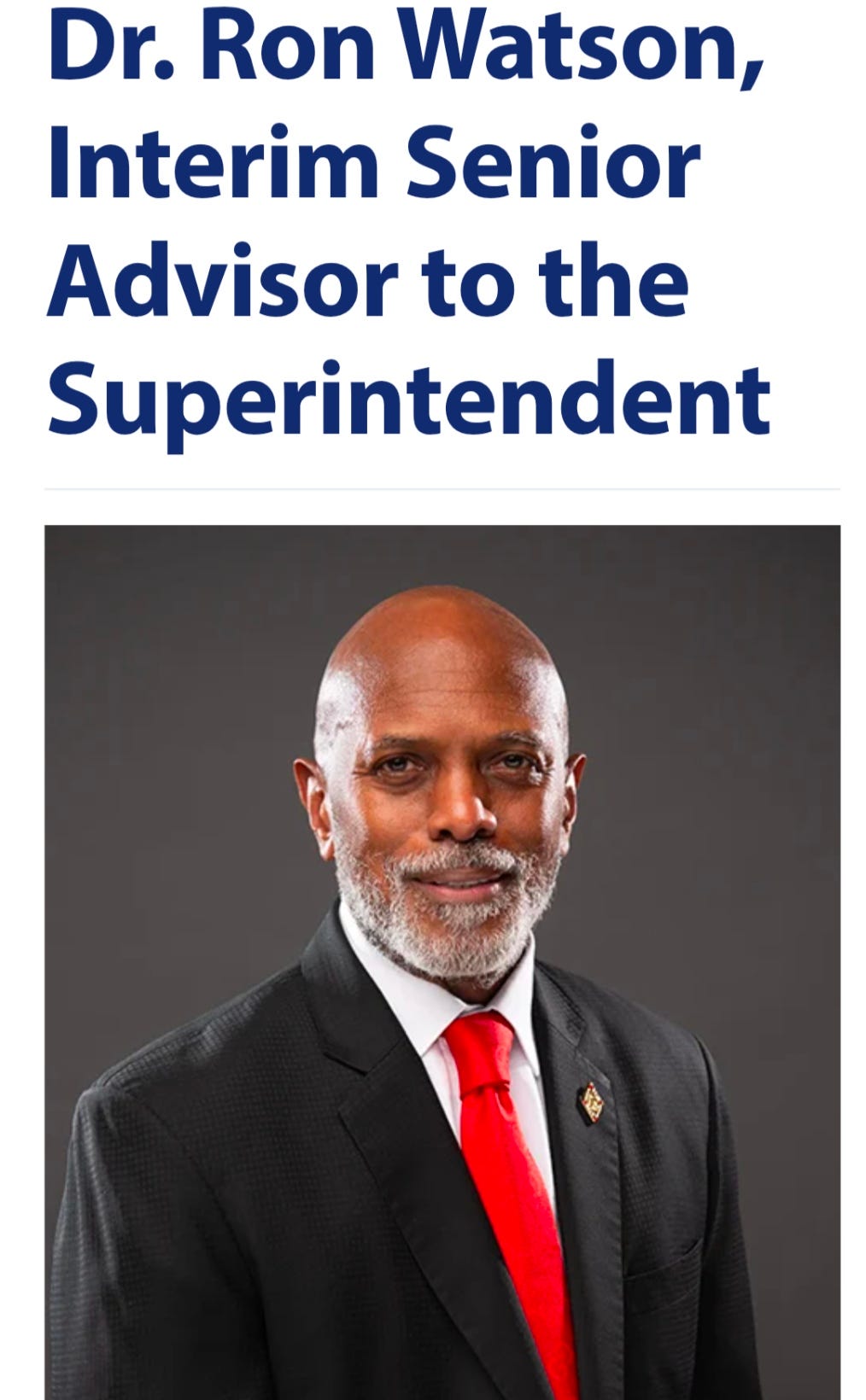
Earlier this week, we reported that Maryland State Senator Ron Watson had accepted a $200,000 consulting contract with Prince George’s County Public Schools (PGCPS), serving as a senior advisor to the superintendent. That role, listed on the district’s official website, appeared to confirm the arrangement. Watson’s dual status—as a sitting senator and a paid district consultant—raised immediate questions about ethics, influence, and the boundaries of public service.
Now, we’re hearing something very different.
A high-ranking source close to Prince George’s County State’s Attorney Aisha Braveboy tells us that the contract has been quietly revoked, following a ruling or advisory action by the Maryland State Ethics Commission. The source did not provide documentation but described the ethics decision as definitive: Watson will not be paid under the original $200,000 agreement.
As of this writing, no public statement has been issued by the Ethics Commission, PGCPS, or Senator Watson himself. The district’s website still lists Watson as Interim Senior Advisor, suggesting either a lag in updates or a restructured role without compensation. We’ve reached out to the Ethics Commission and the district for clarification.
What We Know
- Watson is currently listed as Interim Senior Advisor to the Superintendent.
- He remains an active Maryland State Senator, representing District 23.
- PGCPS Board Policy 0107 outlines ethics standards that prohibit conflicts of interest and improper influence.
- The Maryland Public Ethics Law (Title 5 of the General Provisions Article) restricts state officials from entering into certain paid arrangements with public entities.
What We’ve Heard
- A trusted source close to Braveboy says the contract was formally blocked or rescinded due to an ethics ruling.
- The $200,000 figure was accurate, according to multiple internal sources familiar with the original agreement.
- Watson may have begun work before the ethics review was finalized, prompting a quiet reversal.
What’s Next
If the ethics ruling is confirmed, this would mark a rare instance of a sitting legislator being publicly rebuffed by a state ethics body over a local consulting arrangement. It also raises broader questions about how school districts vet politically sensitive hires—and whether informal influence can ever be fully separated from formal compensation.
We’ll continue to track this story and update readers as more details emerge. If you have documentation, insight, or corrections, please reach out. As always, we welcome principled dissent and annotated sourcing.
Footnotes and Additional Reading
- PGCPS Leadership Team: https://www.pgcps.org/offices/superintendent/leadership-team
- PGCPS Ethics Policy 0107: https://www.pgcps.org/offices/board-of-education/board-policies/policy-0107-ethics
- Maryland Public Ethics Law: https://mgaleg.maryland.gov/mgawebsite/Laws/StatuteText?article=gps§ion=5-501&enactments=false
How do these type of contract arrangements even originate? Don’t these bodies have ethics frameworks guiding their processes? Don’t they understand that in public service roles, information is public? It’s mind boggling. lol 😝