

🛰️ When the Airwaves Go Silent: Sinclair’s Censorship and the Fragility of Free Speech
By Barry O’Connell
Strategic Editorialist, Maryland Wire
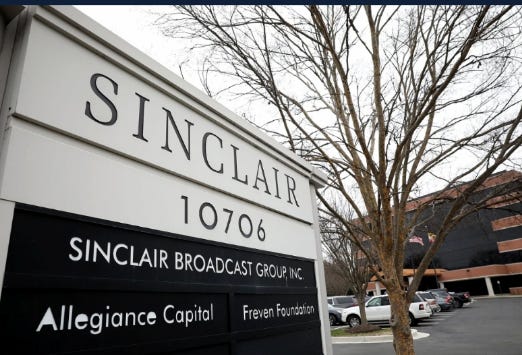
Last week, Sinclair Broadcast Group—headquartered just up the road in Hunt Valley—made headlines for pulling Jimmy Kimmel Live! off its ABC affiliate stations. The reason? A monologue in which Kimmel criticized the political right’s response to the killing of conservative activist Charlie Kirk. The remarks were sharp, yes. But they were also protected speech. And Sinclair’s reaction wasn’t just swift—it was ideological.
Let’s be clear: this wasn’t about broadcast standards. It was about power.
🧠 The Anatomy of a Corporate Overreaction
Kimmel’s comments, delivered on September 15, suggested that the “MAGA gang” was trying to spin the shooter’s motives for political gain. Sinclair, which owns over 30 ABC affiliates, responded by demanding not only an apology but a “meaningful personal donation” to Kirk’s family and Turning Point USA. They replaced Kimmel’s timeslot with a remembrance special and declared they wouldn’t resume airing the show until ABC held “formal discussions” about “professionalism and accountability”.
This wasn’t a programming decision. It was reputational theater.
🏛️ David Smith’s Shadow Doctrine
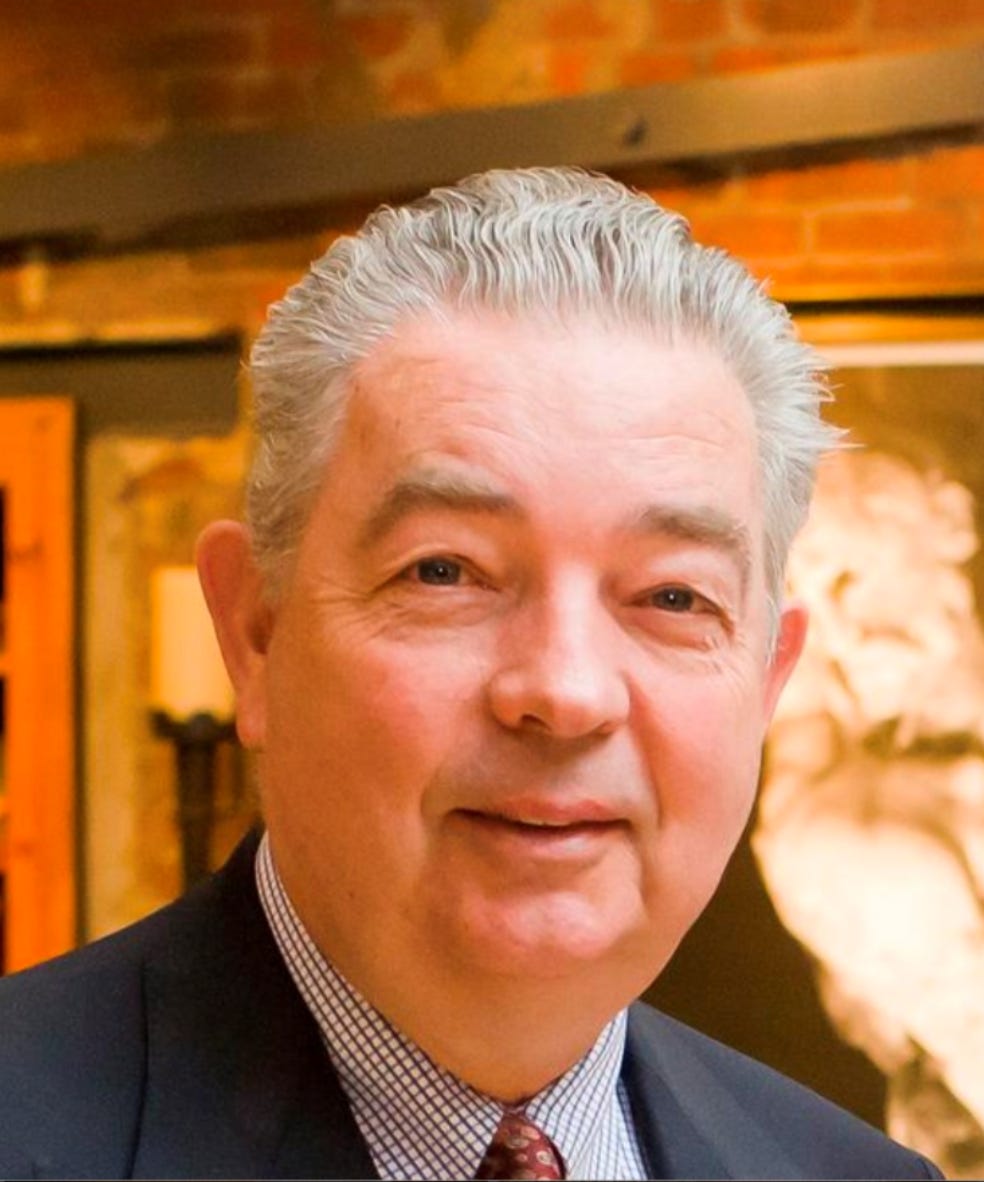
Sinclair’s Vice Chairman Jason Smith issued the public statement, but the fingerprints of Executive Chairman David Smith are all over this. Smith has long been known for steering Sinclair toward hard-right editorial content, mandating “must-run” segments that echo conservative talking points and elevating voices like Boris Epshteyn and Sebastian Gorka.
This latest move fits the pattern: suppress dissent, reward loyalty, and weaponize the airwaves as a tool of ideological enforcement.
⚖️ The First Amendment Isn’t Conditional
Kimmel’s monologue may have been provocative, but it was commentary—not incitement. The First Amendment doesn’t guarantee protection from criticism, but it does protect the right to criticize. Sinclair’s decision to deplatform Kimmel wasn’t about protecting viewers—it was about punishing a narrative that challenged their own.
And when a media conglomerate demands donations to political organizations as a condition for restoring airtime, we’re no longer talking about editorial discretion. We’re talking about extortion by proxy.
🧭 What This Means for Maryland
Sinclair’s influence isn’t abstract. It shapes what millions of Marylanders see, hear, and believe. When corporate leadership uses its platform to silence dissent, it undermines not just journalistic integrity—but democratic discourse itself.
This isn’t just about Jimmy Kimmel. It’s about whether truth can survive in a media landscape where ideology trumps inquiry.