

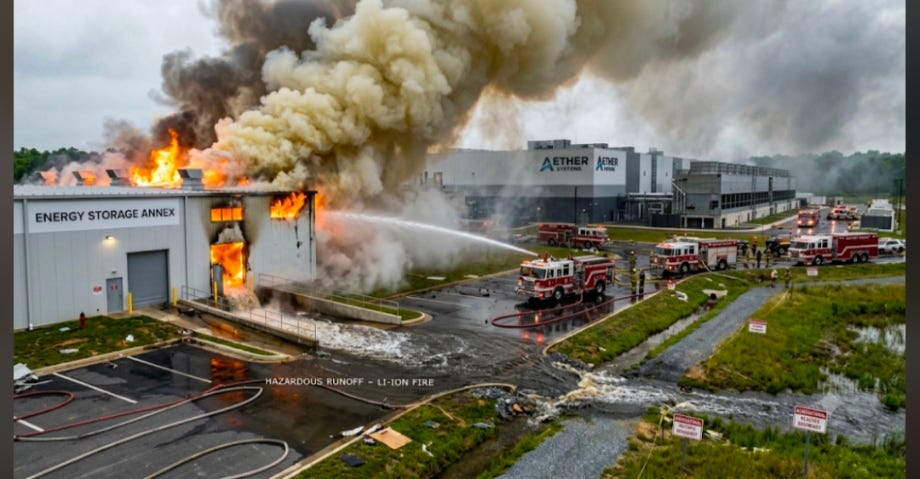
THE DATA CENTER FIGHT RETURNS TO THE FARM
Maryland is about to learn what David Senter has known for fifty years: when farmland is on the line, somebody has to stand up.
Senter is a fourth‑generation Texas farmer who helped found the American Agriculture Movement in 1977, led the tractorcade that put 5,000 tractors on the National Mall in February 1979, and took Willie Nelson’s call in 1985 to help build Farm Aid — now the longest‑running musical charity in American history. He’s attended every Farm Aid concert since, serves as its historian, and last year joined Willie in a letter warning young farmers that we’re entering an emerging farm crisis: frozen USDA contracts, tariff‑driven input costs, and disaster aid Congress authorized but never delivered.
His grandson Colton is carrying the movement into its next generation. And both of them are Marylanders now.
That matters, because the fight has come to their doorstep.
THE AI LAND RUSH HITS THE AGRICULTURAL RESERVE
The new threat to Maryland farmland isn’t foreclosure — it’s the AI land rush. Hyperscale data centers consume 100 to 300+ acres per campus, and they’re targeting exactly the ground we can’t get back. A proposal to put data centers and a grid‑scale battery facility inside Montgomery County’s Agricultural Reserve is already moving.
The Reserve is supposed to be the firewall between development and the last irreplaceable soils in the state. But the tech industry has discovered that farmland is flat, open, and close to transmission lines — and that counties desperate for tax revenue will listen.
What almost nobody in Annapolis is talking about is what powers these campuses.
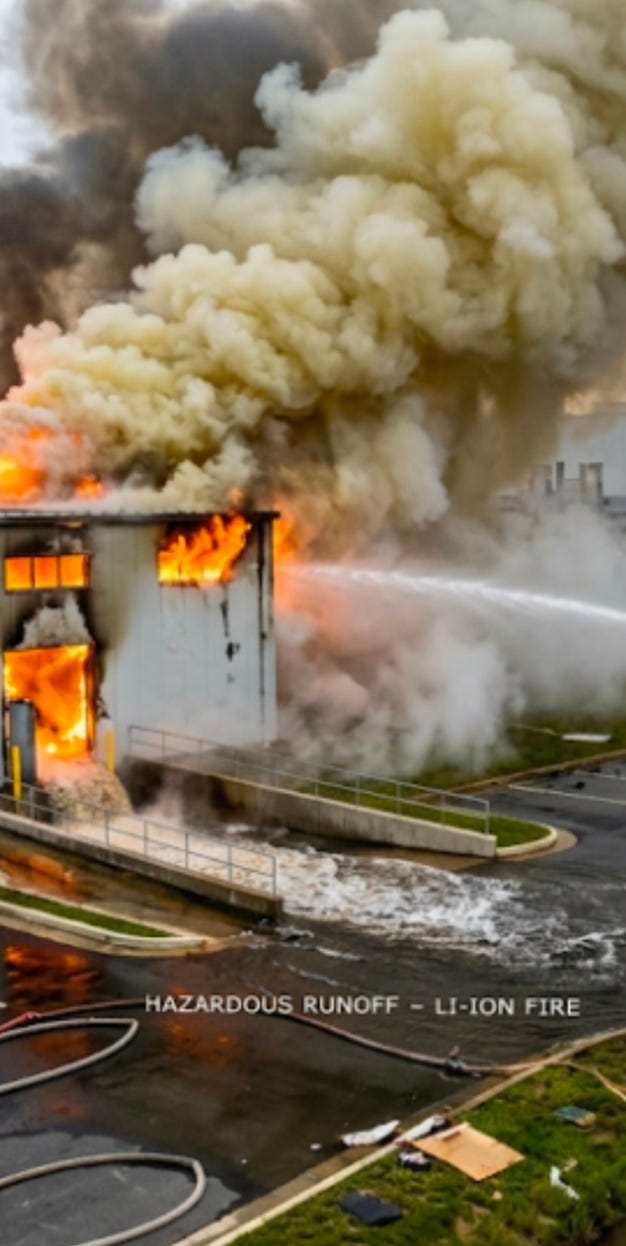
THE FIRE WE CAN’T PUT OUT
Hyperscale data centers run on massive lithium‑ion battery installations — and FM Global, the insurer that underwrites this infrastructure, stated this spring that no active fire protection system has been proven for lithium‑ion energy storage.
That’s not activist language. That’s an insurer telling its clients that the fire science isn’t there yet.
When these batteries go into thermal runaway, you don’t put them out. You evacuate and watch them burn. The plume can carry toxic compounds. The heat can ignite anything around it. And in the Agricultural Reserve, “anything around it” means fields, wells, barns, and livestock.
Farmers understand fire risk better than anyone. They also understand what happens when regulators get ahead of the science.
THE BILL THAT PROTECTS FARMLAND — AND MANDATES THE RISK
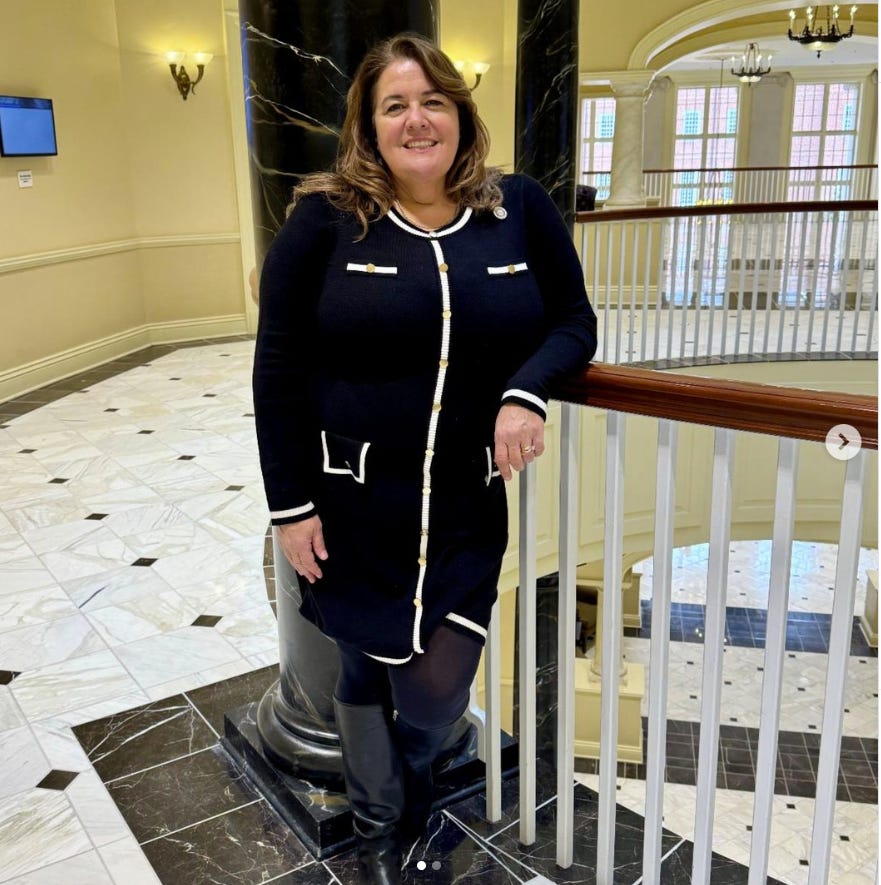
Delegate April Miller’s HB1534 has the right instinct: it would bar data‑center campuses from prime Class I and II soils and Rural Legacy land. Maryland should not trade its best farmland for server farms.
But the same bill mandates on‑site battery storage for every large project.
Other Annapolis proposals push batteries even harder.
This is the contradiction nobody wants to say out loud: we are legislating the fire into the farmland.
The state is trying to protect agricultural land while simultaneously requiring the very technology insurers say cannot be actively protected from catastrophic failure.
That’s not a policy debate. That’s a collision course.
THIS ISN’T JUST A RURAL PROBLEM
A lithium‑ion thermal runaway in a dense urban corridor is a mass‑casualty event waiting for a congressional hearing. Fire chiefs in major cities have been warning about EV battery fires for years. Now scale that up to grid‑level storage.
Baltimore, Silver Spring, Rockville — none of these places are prepared for a battery fire that can’t be extinguished.
But in the Agricultural Reserve, the stakes are different. It’s not just people at risk. It’s the land itself.


ASK THE SENTERS — THEY’VE SEEN THIS MOVIE BEFORE
Maryland is entering a new kind of farm crisis — one driven not by banks or drought, but by the infrastructure demands of artificial intelligence. And the people who fought the last crisis are living here now.
David Senter helped lead a movement that put tractors on the National Mall and forced Washington to listen. His grandson Colton is carrying that legacy forward. They understand what happens when policymakers treat farmland as expendable.
Before Maryland trades its best soil for server farms, the people who built the American Agriculture Movement deserve a seat at the table.
They’ve seen this movie before. They know how it ends.//