

💥 Crypto Chaos in the Pension Fund
How the Governor’s Appointees Gambled with Seniors’ Futures—and Why Treasurer Davis Had to Step In
🧭 Introduction: A Reckless Bet, A Moral Reckoning
When the Governor’s pension board made a speculative bet on a crypto-adjacent firm, they weren’t just gambling with market volatility—they were gambling with the dignity of our retirees.
On August 11, under the influence of political appointees, the board authorized a high-risk investment in a company that buys Bitcoin on debt. The move was reckless, the timing was suspect, and the consequences are already unfolding.
This isn’t just a bad trade. It’s a breach of fiduciary duty. And now, as the fund bleeds value and faces tax penalties for early exit, it falls to Treasurer Davis—and his chief deputy Jonathan Martin—to clean up the mess.
What follows is the original account, written buy a trained observer. Known only as SpeedyO’Short. I’ve cleaned it up for clarity, but the urgency is his.

📉 The Core: What Happened on August 11
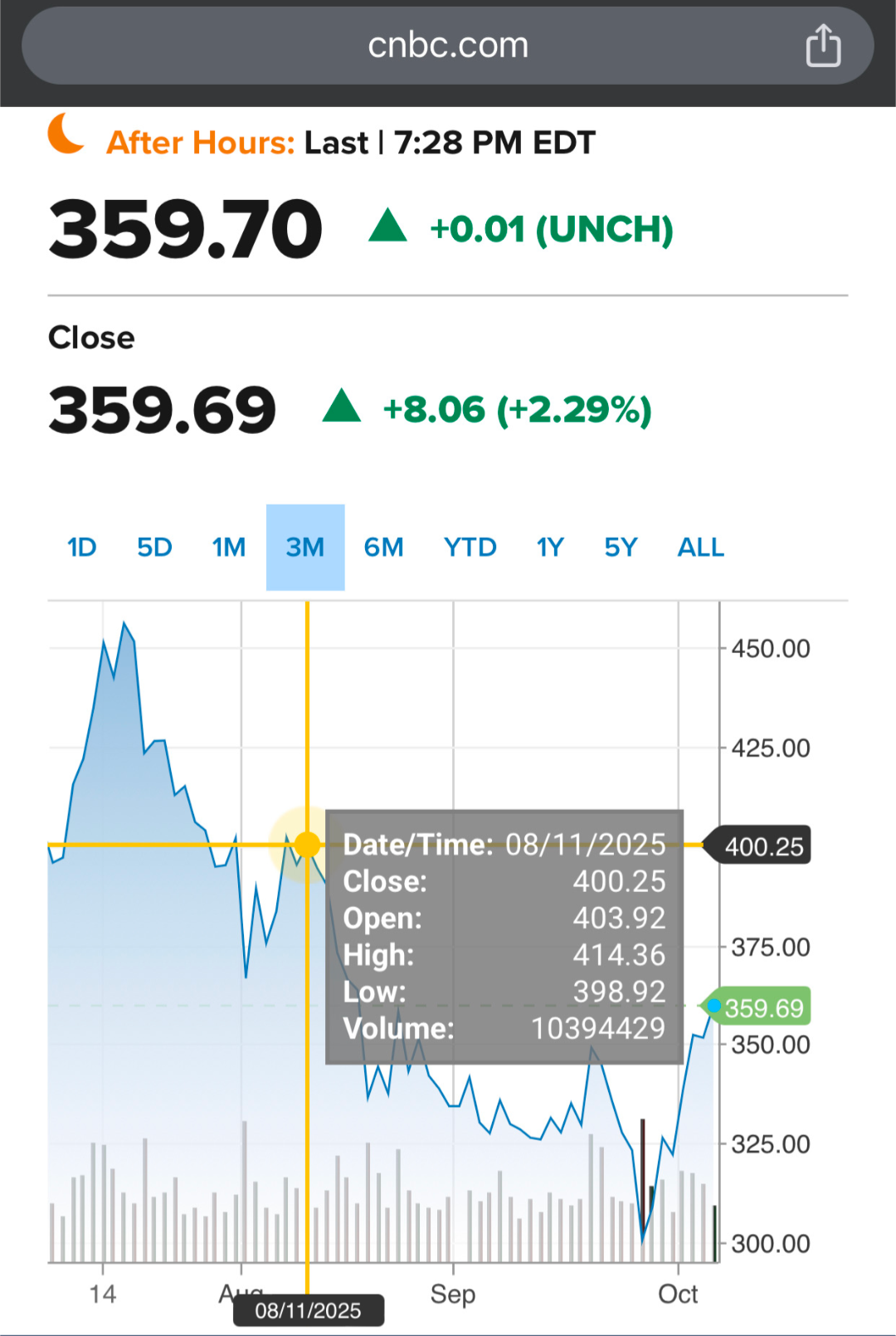
On August 11, the Governor’s appointees on the pension board authorized a major investment in a company that acquires Bitcoin using borrowed funds. This strategy—leveraging debt to buy a volatile asset—is considered high-risk even by crypto enthusiasts.
The timing was especially questionable given recent changes under President Trump that now allow direct pension exposure to cryptocurrency, an asset often associated with criminal financing and environmental harm.
The company in question is not part of the S&P 500, and its stock has already dropped 10% since the purchase. Worse, selling the stock before August 11 of next year would trigger a larger tax penalty for the fund, effectively locking the pension into a losing position.
To make room for this speculative investment, the board sold off shares in stable, dividend-paying companies—firms with long-term track records and predictable returns. This shift from reliability to risk has already hurt the fund’s performance.
Over the past year, the pension failed to meet its return expectations, meaning retirees will receive less money for essentials like food, medicine, and electricity.
The responsibility for this failure lies squarely with the Governor’s appointees. Their decision to chase a crypto long shot—at the expense of stability and stewardship—has undermined the financial security of thousands of pensioners.

🛠 The Cleanup: Treasurer Davis Sends in Jonathan Martin
This is not a theoretical debate about asset classes. It’s a real-world failure that affects real people. Seniors who worked their whole lives now face reduced benefits because of a politically driven gamble.
The pension board abandoned prudence. Treasurer Davis, to his credit, did not.
By dispatching Jonathan Martin to stabilize the fund and restore fiduciary discipline, Davis is doing what the board refused to do: putting retirees first. This intervention isn’t just administrative—it’s moral. It signals that someone in state government still understands the difference between stewardship and speculation.

🔍 Why This Matters: Autonomy, Accountability, and Moral Clarity
If we want our pension system to serve its purpose—protecting our elders in their golden years—we must empower the Treasurer’s office with more autonomy and less interference. The cleanup has begun. Accountability must follow.
This story isn’t just about crypto. It’s about character. It’s about the difference between chasing headlines and honoring promises. And it’s about the quiet, principled work of public servants like Davis and Martin—who step in when others step away.
Who are the members of the pension board who supported the move into
Crypto? What are Davis and Martin able to do to fix this?