


Maryland’s New Legislative Reality: When Clickbait Bills Stop Being Clickbait
For years, Annapolis has run on a predictable rhythm. Legislators introduced two kinds of bills:
1. Serious bills, written to pass.
2. Clickbait bills, written to provoke.
The second category — the message bills, the base‑activators, the fundraising engines — were never meant to survive committee. They existed to generate headlines, rile up activists, and give lawmakers something to brag about in email blasts. Everyone understood the game.
But this year, the game board has been flipped.
Maryland’s House of Delegates is operating under a new Speaker, new committee chairs, and a new ideological center of gravity. Bills that would have been quietly euthanized under former Speakers Mike Busch or Adrienne Jones are suddenly alive, breathing, and moving. And the business community — long accustomed to the protective gatekeeping of chairs like C.T. Wilson — is discovering that the old guarantees no longer apply.
Welcome to the first session in years where nobody knows which bills are symbolic and which bills are real.
The Old System: Clickbait Bills as Political Theater
For decades, Annapolis has been a masterclass in controlled political drama.
Democrats used clickbait bills to energize their base
- Gun‑control expansions
- Abortion‑rights amendments
- Environmental mandates
- Corporate accountability measures
These bills thrilled progressives, filled hearing rooms, and generated national attention — even when leadership had no intention of letting them pass.
Republicans used clickbait bills to signal their values
- Tax‑cut packages
- Gun‑rights expansions
- Abortion restrictions
- School‑curriculum fights
These bills were never going to pass in a Democratic supermajority, but they served their purpose:
They kept the conservative base engaged and kept lawmakers visible on talk radio.
Everyone benefited.
Everyone understood the choreography.
Everyone knew which bills were real and which were theater.
The New Reality: The Gatekeepers Are Gone


This year, the choreography is gone.
The House is now led by Speaker Peña‑Melnyk, and the committee system has been reshaped with younger, more progressive chairs. The most dramatic shift is in the Economic Matters Committee, where longtime chair C.T. Wilson — known for killing business‑hostile bills quietly and efficiently — has been replaced by Del. Kris Valderrama, who comes from the progressive wing of the caucus.
That single change has sent shockwaves through Annapolis.
Bills that business groups assumed would die in subcommittee are suddenly getting:
- Full hearings
- Serious consideration
- Support from new members
- Encouragement from leadership
Lobbyists who once walked into Economic Matters with confidence are now walking in with questions.
The Zinger: Last Year’s Clickbait Bills Might Become This Year’s Law
This is the part that has Annapolis buzzing.
Some of the bills that were introduced last year purely as message bills — bills designed to excite activists, raise money, or force Republicans into tough votes — may actually move this year.
Not because the bills changed.
But because the power structure changed.
Examples include:
- Workplace regulation bills that never got out of subcommittee
- Consumer‑protection measures that business groups assumed were dead on arrival
- Environmental mandates that leadership previously slow‑walked
- Labor‑friendly proposals that once stalled under more moderate chairs
Under the old system, these bills were symbolic.
Under the new system, they’re viable.
And that’s the twist:
The line between clickbait and governing agenda has blurred.
Gun & Ammo Tax Bills: A Case Study in Uncertainty
Take this year’s gun‑ and ammunition‑tax proposals.
In previous years, these bills were classic clickbait:
- Democrats used them to energize gun‑control groups.
- Republicans used them to rally Second Amendment activists.
- Everyone knew they weren’t going to pass.
This year?
Nobody is willing to say that out loud.
With a new Speaker and new committee chairs, the old assumptions are gone.
Republicans are still waving the bills like the bloody shirt of post‑Civil War politics.
Democrats are still using them to mobilize their base.
But for the first time in years, no one can confidently predict the outcome.
A Legislature Without Predictability
The most striking feature of this session is the uncertainty.
- Bills that were once guaranteed to die may now survive.
- Bills that were once guaranteed to pass may now face resistance.
- Lobbyists who once operated on muscle memory are now recalibrating.
- Legislators who once introduced symbolic bills are now realizing those bills might actually move.
It’s a whole new world — and Annapolis knows it.
The Bottom Line
Maryland’s House of Delegates has entered a new era. The guardrails are gone, the committee chairs are younger and more progressive, and the old assumptions about which bills live or die no longer apply. The clickbait bills of yesterday may become the governing agenda of today — and Annapolis is adjusting in real time.
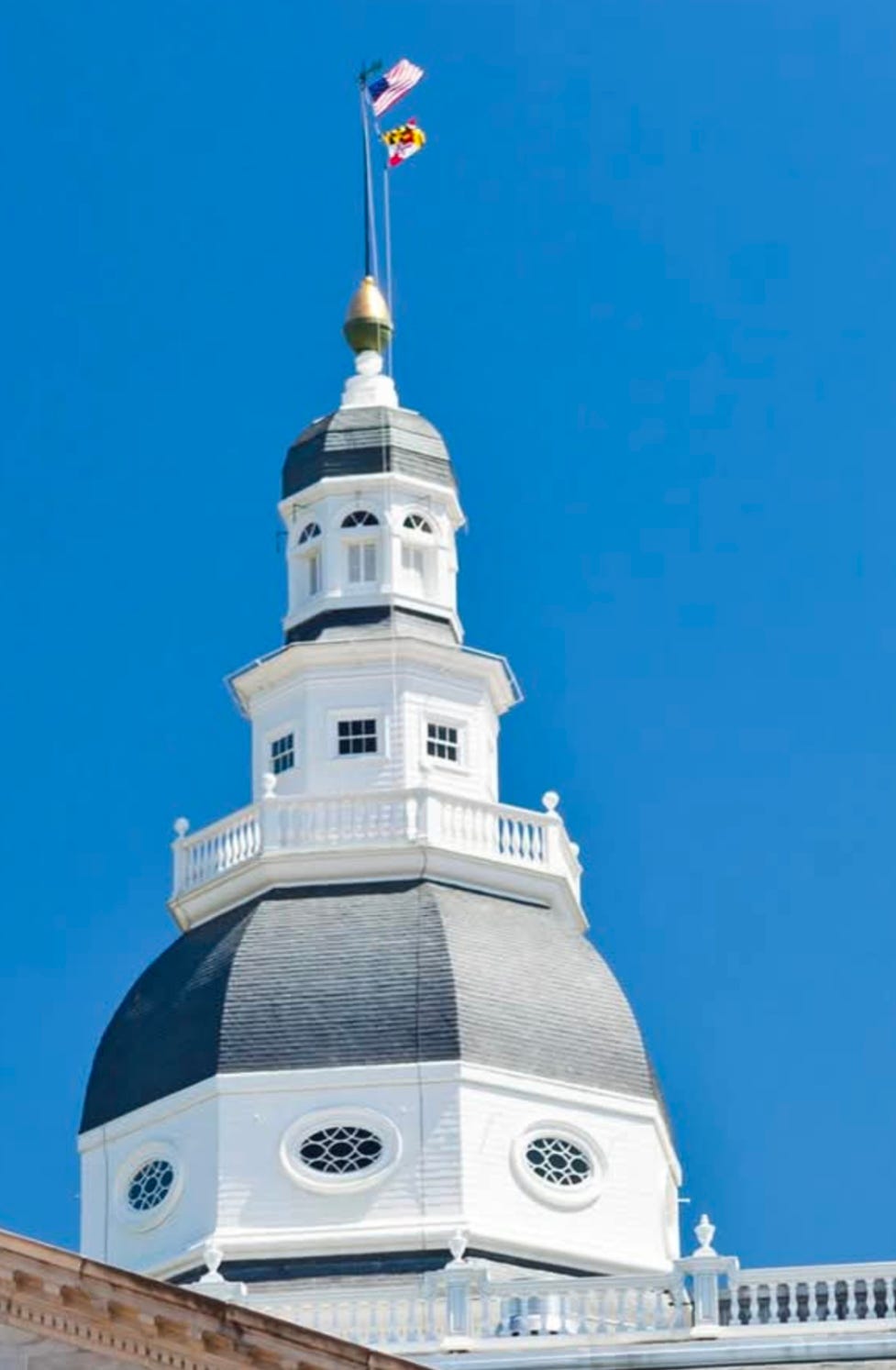
But the Senate is a different story.
While the House has undergone a generational shift, the Maryland Senate remains firmly in the hands of the old guard, operating with the same institutional discipline and strategic caution that defined the chamber for decades. Senate President Bill Ferguson leads a body that still reflects the culture and instincts of the Mike Miller era — a chamber where leadership maintains tight control, moderates hold significant influence, and major policy shifts move only when the Senate is ready for them.
That means many of the ambitious or highly progressive bills that may now sail through the House will face a very different reception across the hall. The Senate’s committees, leadership structure, and internal norms continue to act as a moderating force, and lobbyists with deep relationships in the upper chamber are already positioning themselves to slow, reshape, or stop legislation that would have been unthinkable under previous House leadership.
In other words:
The House may be a new world, but the Senate is still the Senate.
And that tension — a newly unpredictable House colliding with a traditionally cautious Senate — is going to define this session. It’s where the real battles will be fought, where lobbyists will concentrate their firepower, and where Marylanders will see whether this moment of change produces new law or simply new drama.