

CONFIDENTIAL CAMPAIGN STRATEGY MEMO
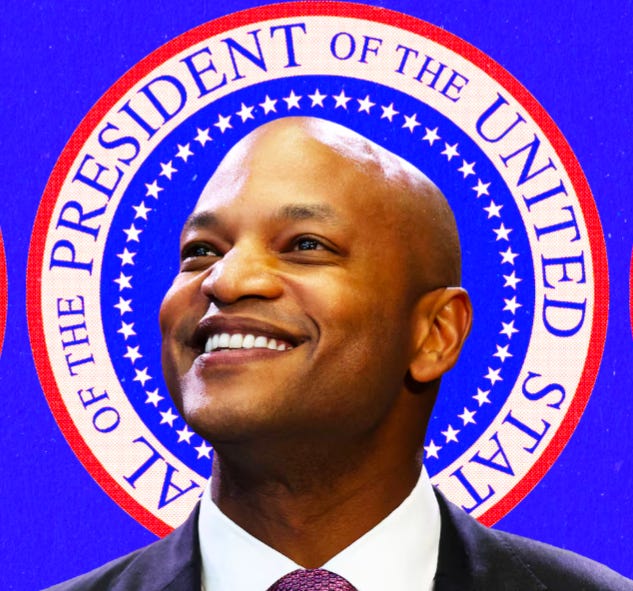
TO: Governor Wes Moore
FROM: REDACTED
RE: Reframing Affordability—A Leadership Pivot Against Senate President Ferguson
DATE: November 6, 2025
🔥 EXECUTIVE SUMMARY
Governor Moore’s reelection—and long-term national viability—depends on reframing Maryland’s affordability crisis as a failure of legislative leadership, not executive inertia. Senate President Bill Ferguson’s fingerprints are on the most damaging affordability decisions of the past two years, especially Senate Bill 1 (2023), which dismantled retail energy choice and triggered widespread utility rate hikes. Moore must pivot from passive association with Democratic majorities to active confrontation with entrenched power—starting with Ferguson.
This is not a party fight. It’s a fight for Maryland families.
🧊 PROBLEM STATEMENT
- Affordability is collapsing. Marylanders face rising taxes, fees, and worst of all—crippling electric and gas bills heading into winter.
- Democrats own the legislature. With 72% control of the General Assembly, voters see affordability failures as a Democratic liability.
- Governor Moore is exposed. Despite not sponsoring SB1, Moore is seen as complicit unless he takes decisive action.
- Senate Bill 1 is the accelerant. The 2023 legislation, backed by Ferguson, forced 300,000+ households back into monopoly utility pricing, eliminating consumer choice and driving up costs.
🎯 STRATEGIC OBJECTIVES
1. Reframe affordability as a leadership issue. Moore must say: “I didn’t write SB1. I didn’t vote for it. But I’ll fix it.”
2. Target Ferguson as the bottleneck. Position Ferguson as the architect of affordability pain and the obstacle to reform.
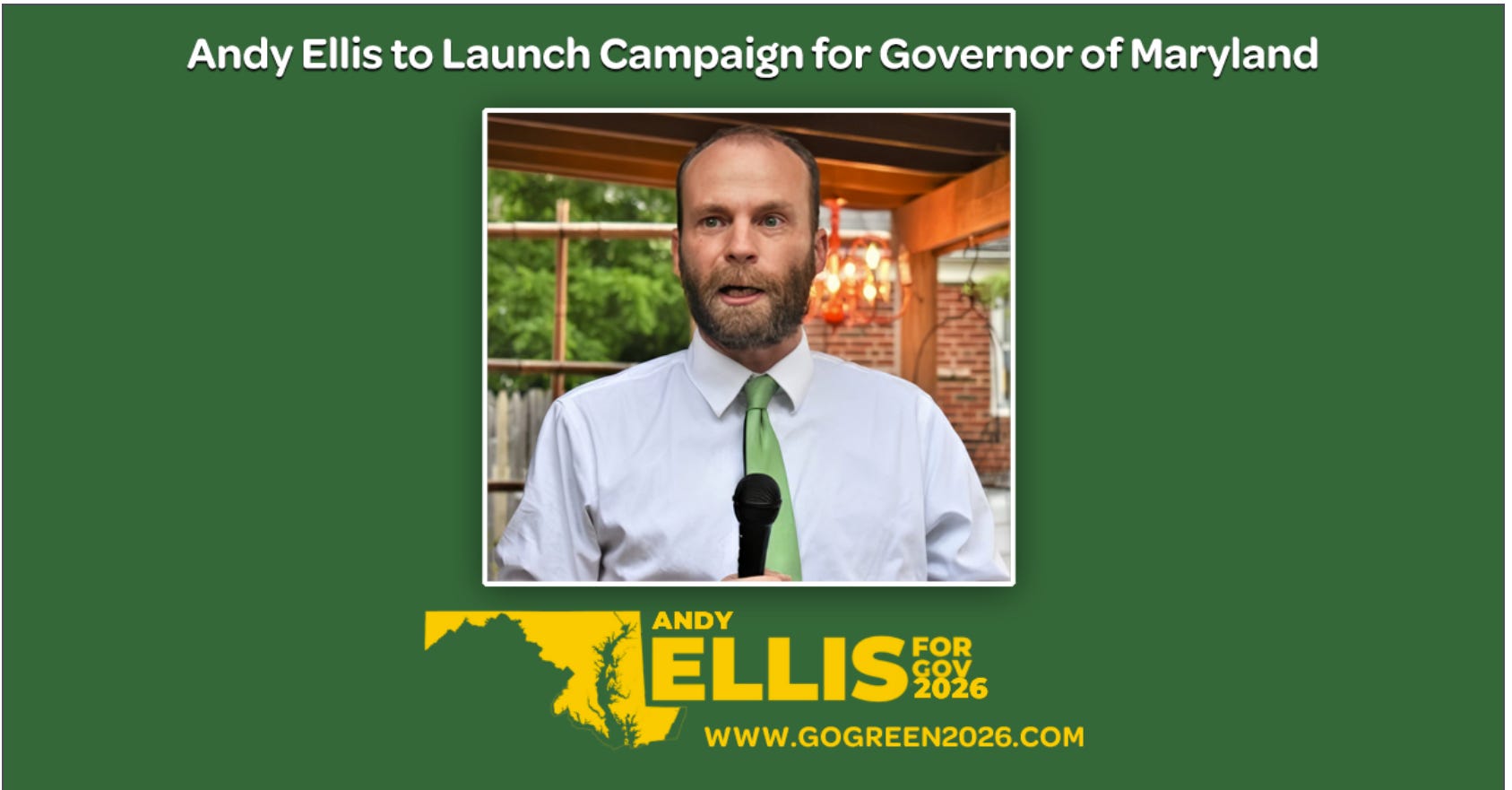
3. Elevate Guzzone as a governing alternative. Float Senator Guy Guzzone as a pragmatic, people-first alternative to Ferguson’s ideological rigidity.
4. Call a Winter Affordability Emergency Session. Use executive authority to convene a special session focused on:
- Restoring retail energy choice
- Emergency rate caps
- A bipartisan affordability commission
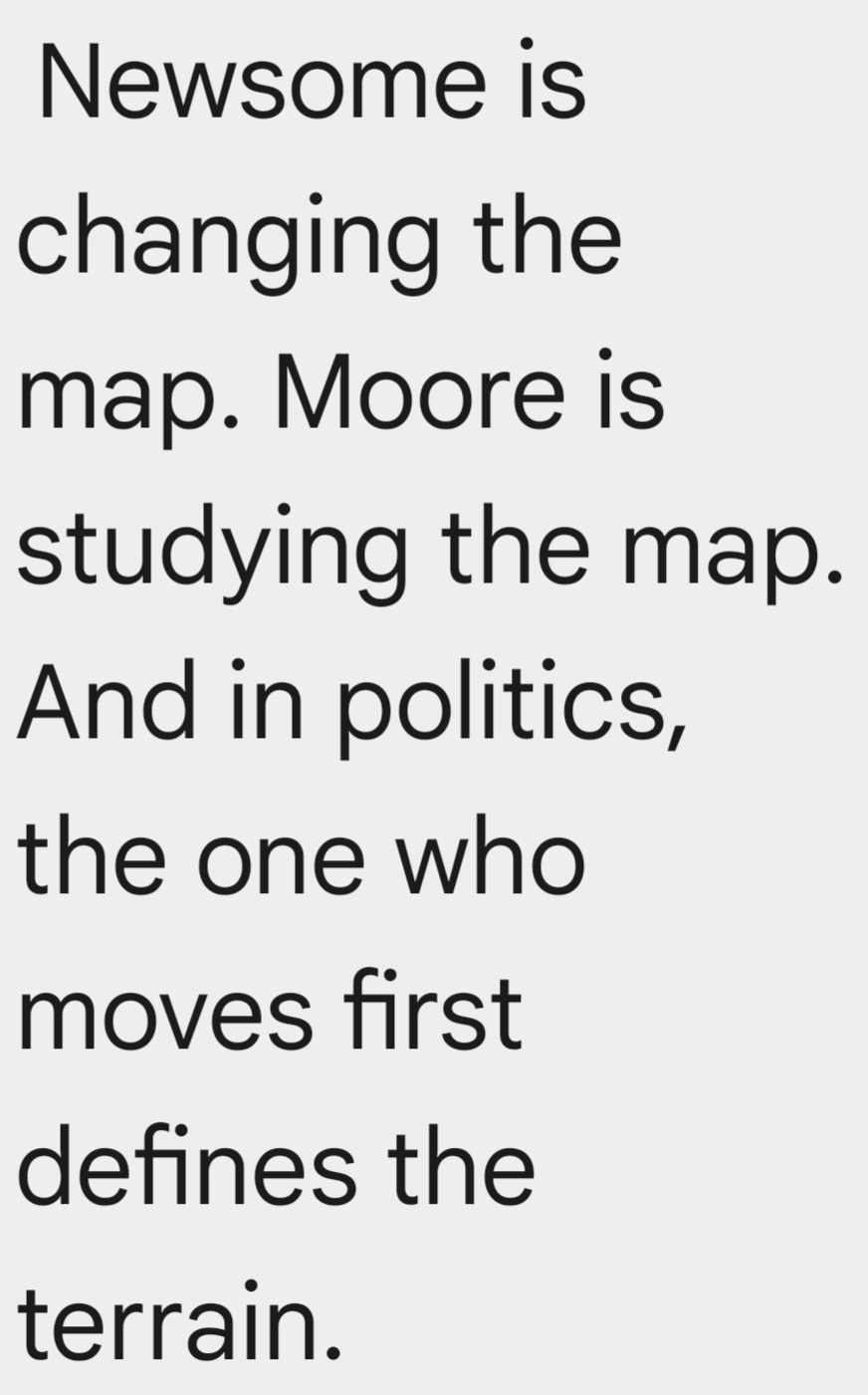
🗣️ MESSAGING FRAMEWORK
Core Theme: “Affordability isn’t partisan. It’s personal.”
- “I hear you. I see the bills. I see the pain. And I see who’s responsible.”
- “We need a Senate that listens—not one that lectures.”
- “I’m fighting for Maryland families. Ferguson is fighting for monopoly utilities.”
Contrast Frame:
- Moore = Action, Empathy, Reform
- Ferguson = Inertia, Ideology, Entrenchment
National Echo:
- “If we can fix affordability in Maryland, we can fix it anywhere.”
- “Leadership means standing up to your own party when they’re wrong.”
🧱 POLITICAL ARCHITECTURE
- Guzzone as Senate President = Reset. Signals a governing shift toward fiscal pragmatism and affordability-first policymaking.
- Redistricting leverage. Ferguson’s resistance to removing Rep. Andy Harris aligns him with Trump-era disruption. Moore can say: “I’ll protect Maryland from the past. Ferguson won’t.”
- Affordability Commission = Accountability. Create a watchdog body to audit SB1’s impact and recommend consumer-first reforms.
🧩 RISKS & MITIGATION
- Intra-party backlash. Frame the pivot as pro-family, not anti-Democrat. Use surrogates to float Guzzone and build quiet consensus.
- Ferguson counterattack. Prepare a dossier of affordability failures tied to Ferguson’s leadership. Use data, not drama.
- Media framing. Pre-brief trusted outlets with the affordability pivot narrative. Emphasize Moore’s empathy and executive resolve.
---
✅ NEXT STEPS
1. Draft speech scaffold for Winter Affordability Emergency Session announcement.
2. Commission internal polling on Ferguson’s favorability and Guzzone’s viability.
3. Prepare annotated SB1 impact brief for public release.
4. Begin quiet coalition-building among Senate Democrats.
Feels like AI writing to me for some reason. Maybe it's all the bullet points.