

THE TOWER AND THE POINT
How a Great Company Lost Its Way — And What Maryland Learned the Hard Way
THE MEETING IN THE TOWER
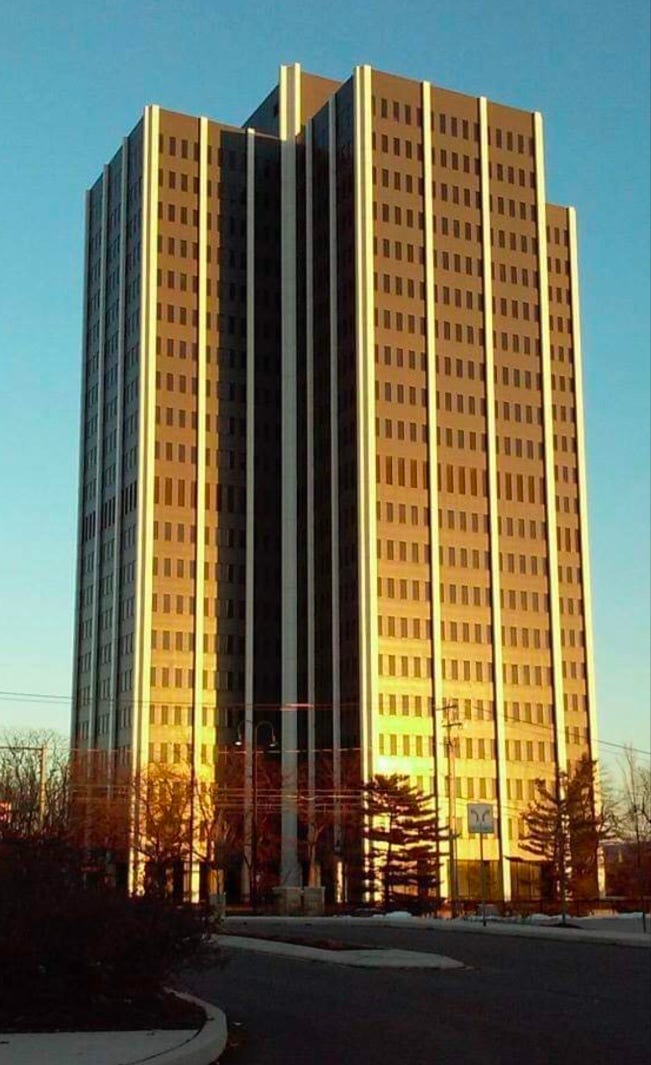
My father walked into Martin Tower in 1970 carrying a problem no one wanted.
Eight stories of fabricated steel boxes — each section measured, cut, and burned in our shop — and by the time the stack reached the top, it was more than a foot short. Burn‑loss error. A quarter inch here, a quarter inch there, and the math compounds.
The purchasing manager at Bethlehem Steel didn’t yell. He didn’t threaten. He laid out two choices with the calm of a man who had delivered this speech before.
“You can walk out that door. You’ve been paid. We won’t sue you. But you’ll never do business with Bethlehem Steel again.”
Or, he said, “You can fix it. And we’ll make sure you’re whole.”
My father chose to fix it.
The manager opened our catalog, found thousands of dollars’ worth of tools and supplies Bethlehem was already buying elsewhere, and shifted the business to us. The extra margin covered the cost of the repair.
It was a moment of grace inside a system that had grown too big, too slow, and too far removed from the shop floor. A flicker of the old Bethlehem Steel ethic — the ethic that built Maryland’s middle class — still alive inside a 21‑story tower of glass.
THE SCHWAB YEARS: WHEN THE DISTANCE WAS SHORT
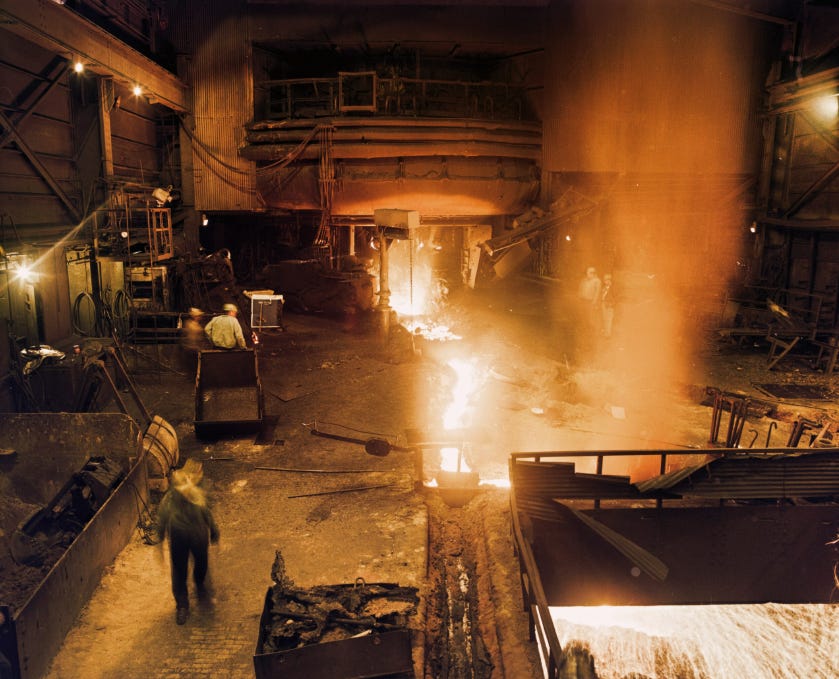
There was a time when Bethlehem Steel ran on handshakes, not hierarchies.
Charles M. Schwab — the original one, not the broker — ran the company like a man who had come up from the furnaces because he had. Customers could reach him. Dealers could call him. If an order was wrong, he fixed it.
My grandfather, James Joseph O’Connell, sold plate steel into the anthracite region. When a shipment was late or the order was off, he’d call Schwab directly and “give him hell,” as my father put it. And Schwab would make it right.
That wasn’t myth. That was management.
A thin layer between the plant and the chairman. A culture where the customer mattered and the people who made the steel mattered.
Your readers who grew up around Sparrows Point will recognize that world instantly.
It’s the world their fathers and grandfathers worked in.
It’s the world that built Maryland.
THE WAR YEARS: MONEY HIDES A LOT OF PROBLEMS
Schwab died in 1939.
Three years later, the United States was pouring money into steel, ships, and the arsenal of democracy at a rate the country had never seen.
Sparrows Point exploded with activity.
Tens of thousands of Marylanders worked the Point, the shipyards, the mills. Entire neighborhoods — Dundalk, Turner Station, Edgemere — lived by the rhythm of the plant whistle.
Bethlehem Steel grew.
But the culture that made it great did not grow with it.
The money masked the drift.
THE TOWER ERA: WHEN THE DISTANCE GREW TOO WIDE
By the 1970s, Bethlehem Steel was no longer a company you could walk across a bridge to reach. It was a sprawling empire — shipyards on both coasts, mines in Cuba, mills across the Northeast and Mid‑Atlantic.
Martin Tower rose over Bethlehem, Pennsylvania, as a symbol of modern corporate ambition. Twenty‑one stories. Executive floors. Conference suites. Layers of management stacked like the steel boxes my father had to fix.
Whether it was seven layers or nine didn’t matter.
What mattered was that the distance between the people who made the steel and the people who decided what happened to the steel had become a skyscraper.
And Sparrows Point — once the beating heart of Maryland industry — felt that distance most of all.
THE INCENTIVES SHIFT: WHEN EXTRACTION BEAT REINVESTMENT
Here’s the part we don’t talk about enough.
For decades, the tax structure in the United States made it expensive for owners and executives to pull money out of companies. Top marginal rates ran 70% or higher. Corporate rates were steep.
So what did companies do?
They reinvested.
New furnaces. New mills. New equipment. New jobs.
Then came the tax reforms of the 1980s.
Top rates dropped into the 30s. Corporate rates fell. Suddenly it was far cheaper to extract profits than to reinvest them.
You didn’t have to modernize a mill.
You could buy back stock.
You could pay out dividends.
You could buy a $250 million yacht.
And the incentives pushed in that direction.
https://www.nmih.org/last-cast-25-to-feature-photo-displays-free-steelworker-lunches-free-museum-admission-and-more/
THE GLOBAL PRESSURE: WHEN OTHER COUNTRIES BUILT AND WE DIDN’T
At the same time, global labor costs were shifting.
Countries overseas were building brand‑new, efficient steel mills from scratch.
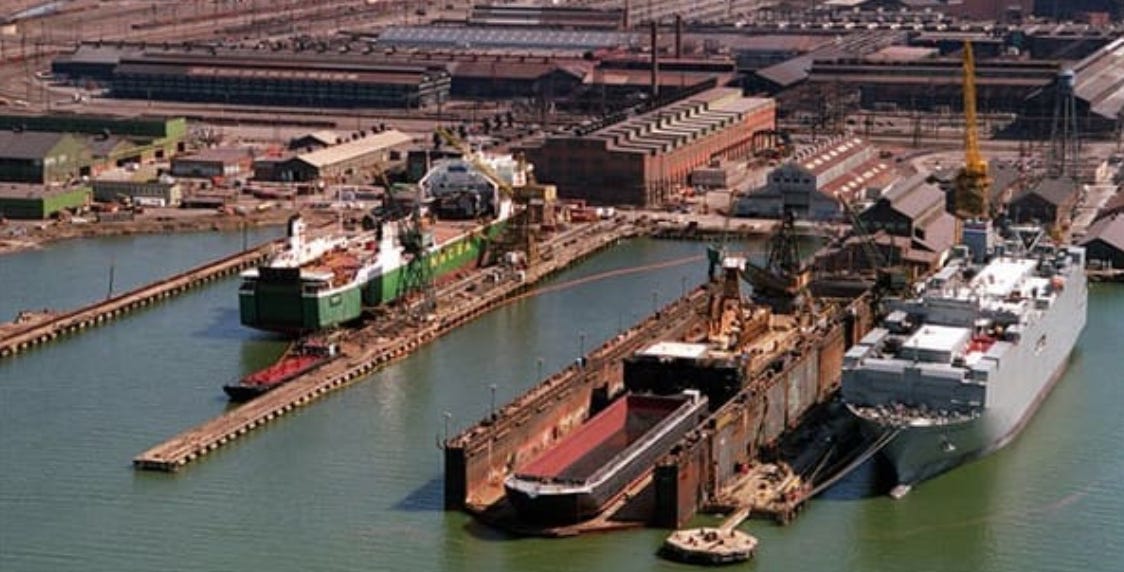
Meanwhile, Sparrows Point — once one of the most important steel complexes in the world — was running world‑class production through aging facilities that weren’t being reinvested in at the same pace.
Maryland workers didn’t fail.
The incentives failed them.
THE MARYLAND CONSEQUENCE: WHEN THE PLANT GOES, THE COMMUNITY GOES
When reinvestment stops, decline begins.
Not immediately.
But inevitably.
Sparrows Point shrank.
Then it shuttered.
And the communities built around it — communities that powered Maryland through two world wars and a century of industry — paid the price.
Your readers know this story.
Some lived it.
Some watched their parents live it.
Some are still living the aftershocks.
Guided Link: Sparrows Point history
THE LESSON: IF WE WANT JOBS, WE NEED REINVESTMENT
This isn’t a nostalgia piece.
It’s a warning — and a roadmap.
When companies reinvest in themselves, communities thrive.
When companies extract instead of reinvesting, communities hollow out.
Maryland learned this once.
We shouldn’t have to learn it twice.
If we want American jobs, we need American reinvestment.
If we want American reinvestment, we need a tax and economic system that rewards building, not stripping.
The story of Bethlehem Steel — from Schwab’s phone calls to the meeting in Martin Tower — is not just history.
It’s a reminder that the incentives we set determine the future we get.