

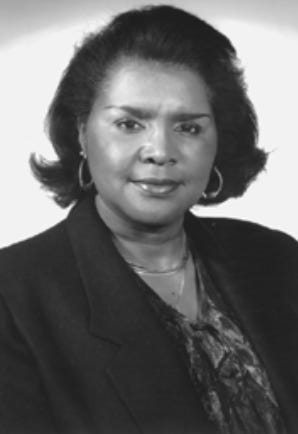
The Woman in the Basement:
How Joanne C. Benson Helped Build Modern Prince George’s County
By Barry O’Connell
The Maryland Wire
Most people in Prince George’s County think they know who Senator Joanne C. Benson is.
They’re wrong.
They see a long-serving state senator.
They see someone who came up during the era of Thomas V. Mike Miller Jr..
They assume she was just another piece of the old Annapolis machine.
That is a shallow reading of a very deep life.
Because Joanne Benson did not come out of Annapolis power.
She came out of struggle.
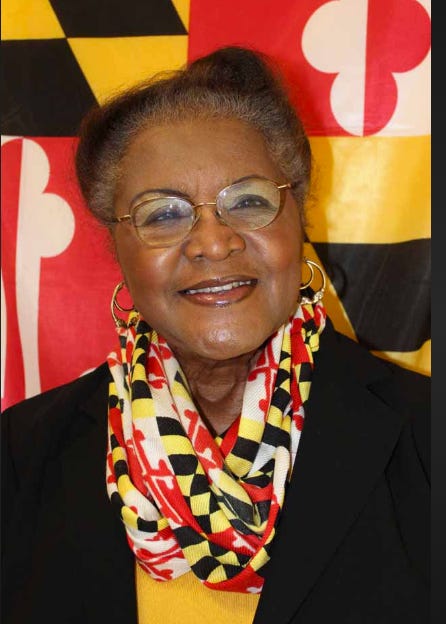
Before the Power, There Was the Work
Long before there was a Black political establishment in Prince George’s County, there were churches, classrooms, and civic halls.
That is where Benson lived.
An educator by training.
A community builder by instinct.
A civil rights-era participant by necessity.
She was part of the generation that followed the moral revolution sparked by Martin Luther King Jr.—but understood something critical:
Civil rights without political power is fragile.
And political power begins with the vote.
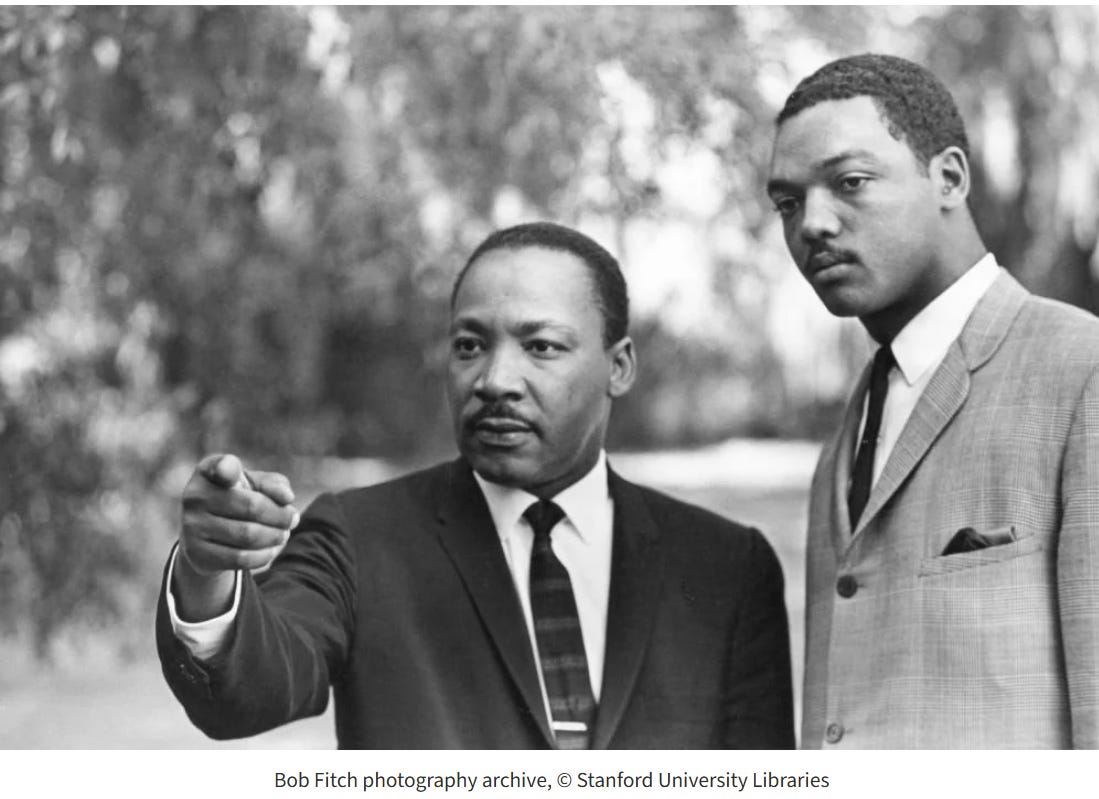
The Jesse Jackson Years: When the Base Was Built
In 1984 and 1988, the presidential campaigns of Jesse Jackson did something transformative in places like Prince George’s County.
They did not just run for president.
They built voters.
They went into communities where many Black residents had long believed—correctly, based on lived experience—that voting was not meant for them.
And they changed that belief.
On the ground, doing that work, were people like:
Joanne C. Benson
Ervin Bernard Reed
Wayne K. Curry
They registered voters.
They organized neighborhoods.
They built belief.
That work is the foundation of everything that came after.
The Basement Meeting That Changed a County
Political history rarely happens in grand halls.
More often, it happens in rooms you would miss if you walked past them.
In Prince George’s County, one of those rooms was a basement.
After Parris Glendening moved up the ladder, a vacuum opened.
Black political leaders and organizers gathered.
They needed a candidate.
They needed a standard-bearer.
They needed someone who could win.
They chose a young lawyer named Wayne Curry.
But choosing him was not enough.
Someone had to legitimize him.
Someone had to take the risk.
Benson’s Role: Not Symbolic—Decisive
According to firsthand accounts from Ervin Bernard Reed and others in that orbit, Joanne Benson was not a passive participant.
She was one of the only county-level, non-municipal elected officials in that room willing to step forward.
She did not lend her name lightly.
She worked.
As Reed has put it bluntly in his recollections, she worked her ass off for Curry.
That matters.
Because at that moment:
The white establishment was not backing Curry
The outcome was uncertain
The risk was real
Benson’s support helped turn a candidate into a viable movement.
And that movement elected the first Black County Executive in Prince George’s County history.

The Staircase of Power
Prince George’s County did not change overnight.
It evolved.
Step by step.
The civil rights generation opened the door
The Benson generation built the base
The Curry era consolidated power
The Ivey era institutionalized it
The Alsobrooks era carried it statewide
You cannot understand one without the other.
And you cannot understand any of it without understanding Joanne Benson’s place in that chain.
More Than “A Miller Senator”
It is easy, and frankly lazy, to reduce Benson to an Annapolis label.
Yes, she served during the long tenure of Mike Miller.
Yes, she operated within that system.
But she did not come from it.
She brought something into it:
A civil rights ethos
A grassroots foundation
A lifetime of community work
She was not created by the machine.
She predated it.
The Cost of Forgetting
Today, some voices dismiss her.
They say she is old.
They say she should step aside.
They treat her as if she simply occupies a seat.
What they are really doing is revealing how little they understand about how that seat came to exist in the first place.
Because before there was power—
There were people like Joanne Benson building it.
A Final Chapter, True to Form
Now, as she approaches the end of her career, Benson is doing what she has always done:
Working quietly.
Staying steady.
Avoiding the spotlight.
No grand farewell tour.
No reinvention.
Just the same discipline that carried her from the civil rights era to the modern day.
The Truth About Legacy
Joanne C. Benson is not just another long-serving politician.
She is a bridge.
Between:
The movement and the machine
The streets and the statehouse
The fight for rights and the exercise of power
And in one basement, at one critical moment, she helped change the trajectory of an entire county.
Most people never saw it.
But Prince George’s County has been living with the results ever since.
The Mathematician in the Basement:

By all accounts, it was just a basement meeting. A handful of insiders, a few folding chairs, and a chalkboard of possibilities. But what happened in that room would alter the trajectory of Prince George’s County—and, eventually, the state of Maryland. At the center of it all sat a quiet man with a mathematician’s mind and a revolutionary’s patience: Er…
Prince George's Tipping Point - Turning Black

A quiet revolution in Maryland politics played out not in Annapolis hearing rooms, but in cul‑de‑sacs, real estate offices, and one now‑legendary basement in Prince George’s County. The story of Parris Glendening, Wayne Curry, and the 2002 governor’s race is, at its core, the story of how the Democratic establishment struggled—and often failed—to adapt …