

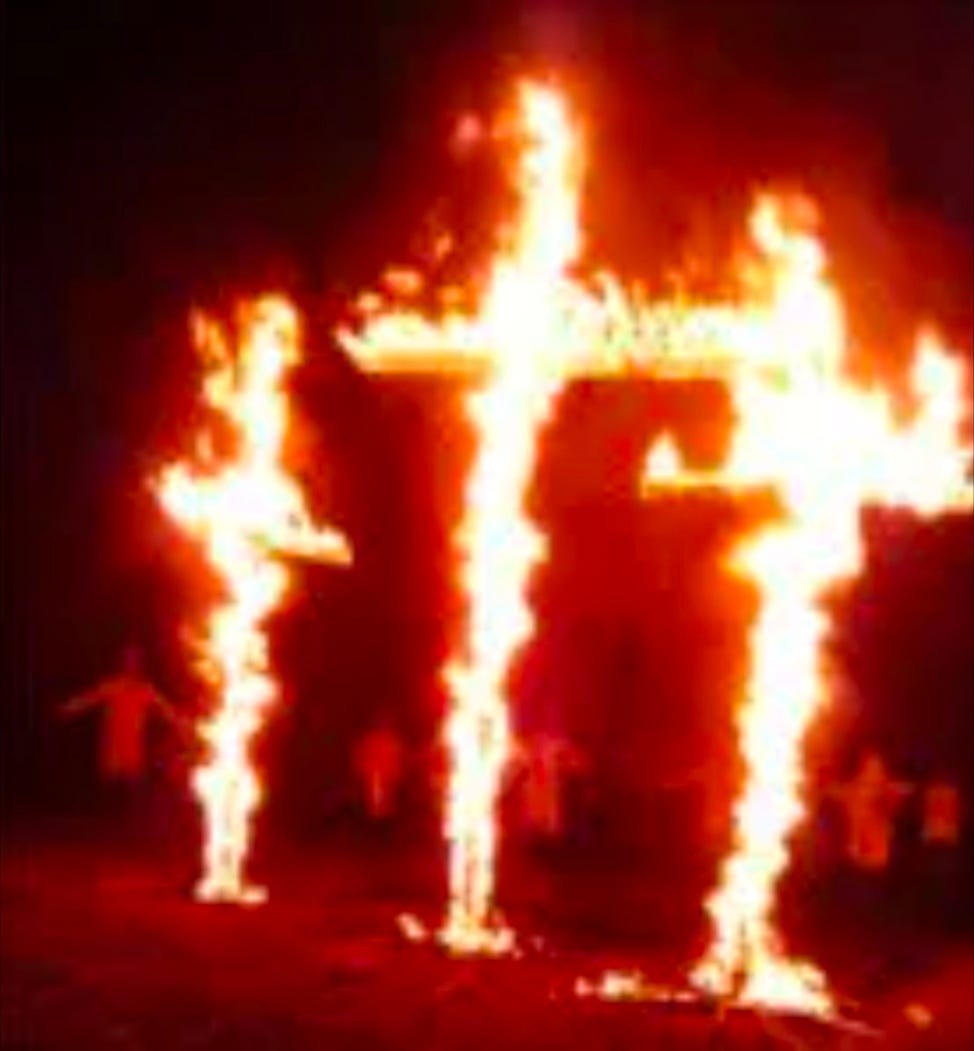
The Politics of Pickleball: How Baltimore County Plans and Fights for Whiteness
By Barry O’Connell
In Baltimore County, recreation planning isn’t just about amenities—it’s about identity. And increasingly, it’s about exclusion. The rise of pickleball courts, the absence of public swimming pools, and the coded language of “safe recreation” reveal a deeper truth: the county is quietly designing public spaces that cater to whiteness while marginalizing Black youth.
This isn’t accidental. It’s architectural.
Pickleball as a Proxy
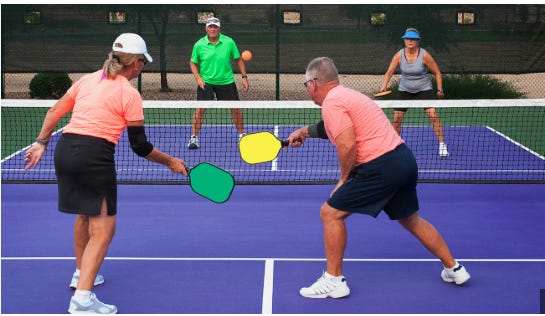
Pickleball is the fastest-growing sport in America. But in Baltimore County, it’s more than a game—it’s a signal. Courts are popping up in places like the Pikesville Armory, while basketball courts are being sidelined or removed altogether. Why? Because pickleball doesn’t attract “the wrong crowd.” It draws older, white, middle-class players—especially in Jewish neighborhoods like Pikesville and Owings Mills.
My brother Tom, in Williamsport, Pennsylvania, saw the same pattern: basketball courts closed, pickleball courts installed. The message is clear—this park isn’t for you. And by extension, this city isn’t either.

The Pool That Never Came
Baltimore County has no public swimming pools. Not one. Despite having nearly 850,000 residents, the county has chosen to rely on private clubs, YMCAs, and beach permits. Meanwhile, Baltimore City has invested millions in free aquatic centers. The contrast is stark—and telling.
The Suburban Club in Pikesville has land and a pool directly across from the Armory. They’ve expressed willingness to sell it to the county. But the county isn’t interested. Why? Because a public pool would invite Black youth. And that, apparently, is a risk they’re unwilling to take.
This echoes a national pattern: when courts mandated integration in the mid-20th century, many municipalities closed their public pools rather than allow Black children to swim alongside white ones¹.
Planning for Whiteness
Baltimore County’s recreation priorities—ball fields, trails, pickleball courts—align with the interests of volunteer planning councils, many of whose members already enjoy private pool access. When asked why public pools haven’t been built, officials cite “limited demand” and “lack of operational experience.” But they’ve found plenty of experience to build pickleball courts.
This isn’t just neglect—it’s design. It’s a form of soft segregation, where public space is engineered to exclude without ever saying so.
A Biblical Reckoning
As a Bible-believing Christian, I believe the Word of God is the only sure truth we have in this world. But truth isn’t just something we know—it’s something we live. And when we tell generations of little Black boys that they’re not good enough to swim unless they buy and build their own pool, we’re not just failing them. We’re failing God.
The Jewish community in Baltimore County knows this history intimately. Many came from Eastern Europe and Germany, fleeing exclusion and persecution. They were once barred from neighborhoods, schools, and clubs. And yet, some now support policies that replicate that exclusion for others.
This isn’t just hypocrisy—it’s heartbreak.
The Bottom Line
Pickleball isn’t the problem. Recreation isn’t the enemy. But when planning decisions become proxies for racial exclusion, we must speak. We must stand. Because if we don’t, we become complicit in a system that tells Black children they are unwelcome guests in their own county.
And that is a message no Christian, no Jew, no decent person should ever endorse.
Footnotes
1. Postindustrial report on Baltimore County’s lack of public pools and legacy of segregation
2. Baltimore County Recreation and Parks Department overview and planning priorities
3. NRPA feature on recreation equity and racial dynamics in Baltimore County planning