


There Really Isn’t A Wite Cabal
Either That Or I Don’t Get Invited
Conducting interviews or gathering story details can be a challenge when dealing with what I think of as ‘civilians.’ I don’t mean that as a put-down; it is simply a reality that if you don’t work in politics, the Intelligence Community, law enforcement, or the law, you may not perceive things the same way as the people I usually deal with.
First of all, there is no great ‘White Cabal.’ We do not meet at Lodge Sessions or in Star Chambers to coordinate our actions. I have no more power over a federal prosecutor or a Senate President than the average person does. When someone demands that I ‘do something,’ I often wonder what they expect that to be. Hunting people down is not an option; I am a peaceful man.
However, when dealing with individuals who don’t truly understand how the system works, the process can become incredibly contentious and unpleasant. What follows is the product of one such interview.
The Uneasy Silence: Ethics, Indictments, and Unequal Standards in Annapolis
By Barry O’Connell and the unpleasant Guest Contributor
When a state senator is indicted on federal charges, Maryland’s political machinery always flinches—but it rarely reacts the same way twice. That point was driven home in a heated weekend conversation that touched nerves across Baltimore’s political spectrum.
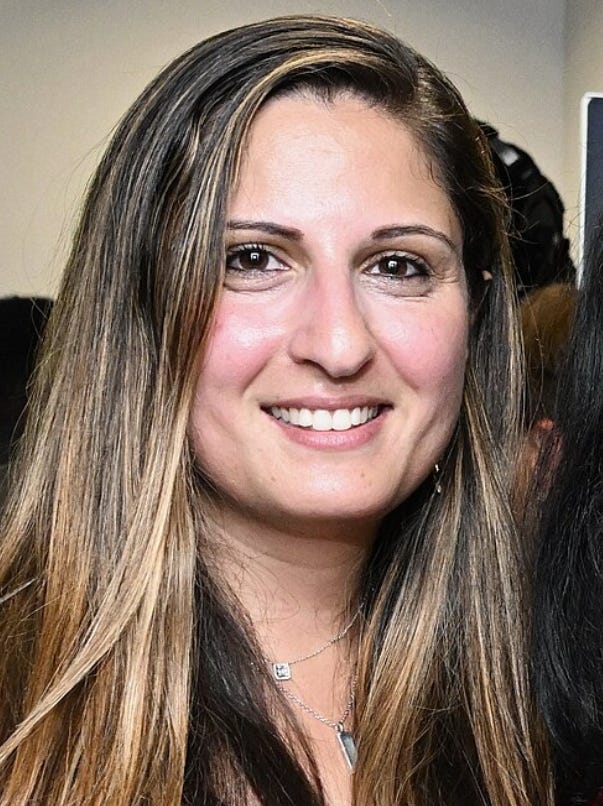
The speaker, a self-described “guest writer” joining a call with community advocates, insisted he was not a partisan nor an opponent of Senator Dalya Attar. What animated him, instead, was the apparent inconsistency in how Maryland’s Senate leadership has handled similar crises in the past. His refrain was sharp: what happened to What He did nott know was Oaks had a previous legal scandal in 1988. So heonly saw Nathaniel Oaks in 2017, and what’s happening to Dalia Attar now, and how they do not match.
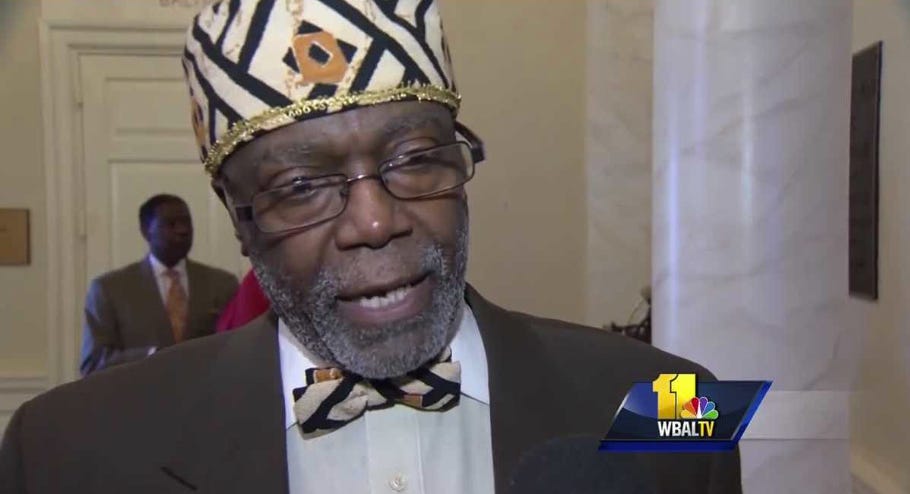
Oaks, a former senator who faced federal bribery charges under Senate President Thomas V. “Mike” Miller Jr., was swiftly stripped of his committee assignments and later resigned before pleading guilty. The current Senate President, Bill Ferguson, has not taken parallel steps against Attar, who continues to receive her salary while remaining absent from session. To the caller, that silence was “glaring”—and convenient. “Her absence,” he argued, “serves Ferguson’s political interests… one less vote to worry about on redistricting, one less vote on energy legislation.”
His deeper frustration was moral as much as procedural. Attar, a former city prosecutor, publicly acknowledged aspects of the conduct at issue but defended them as “legally protected activities.” To the speaker, that defense itself was an ethical breach: a sign that “legality” had displaced moral responsibility in a chamber that demands higher standards. “This isn’t just a criminal question,” he said. “It’s an ethical one. And no one is having the discussion.”
What began as a theoretical exchange soon turned personal. The caller insisted that journalists and party officials must “stop this from happening,” as though accountability were a lever one could unilaterally pull. But no one—not even the governor—can dictate how the Senate President responds to an indictment. Leadership in Annapolis is often referred to as “a power unto itself,” and Ferguson, like Miller before him, sets precedent by discretion rather than rule.
That reality did little to calm the caller’s indignation. Yet the substance of his critique shouldn’t be dismissed. There is no formal policy governing what happens when a sitting senator is indicted. Senate ethics rules contemplate misconduct but leave the handling of federal indictments entirely to the presiding officer’s judgment. In the absence of written guidance, consistency becomes a matter of leadership temperament—and political context.
It is also fair to note that this case may not resemble past ones in strength or substance. Several legal experts familiar with federal prosecutions in Maryland have questioned the U.S. Attorney’s strategy, suggesting the evidence against Attar is far from airtight. Normally, federal prosecutors file only when they are confident in a conviction; this one, insiders say, looks vulnerable. If the case unravels or key charges are dropped—as some expect—it will reinforce the Senate’s calculus to defer judgment until the courts have spoken.
That may be a prudent legal stance. But in the court of public trust, the silence remains deafening. Constituents in District 41 have begun asking who, if anyone, represents them in Annapolis. In the meantime, aides answer inquiries, bills are voted without a district voice, and Baltimore’s reputation for ethical fatigue deepens.
Maryland’s legislature has weathered its share of scandals, but the current episode lays bare a structural dilemma: the state’s ethical standards depend not on law but on leadership. And leadership, as this conversation reminded, is as much about perception as power.