

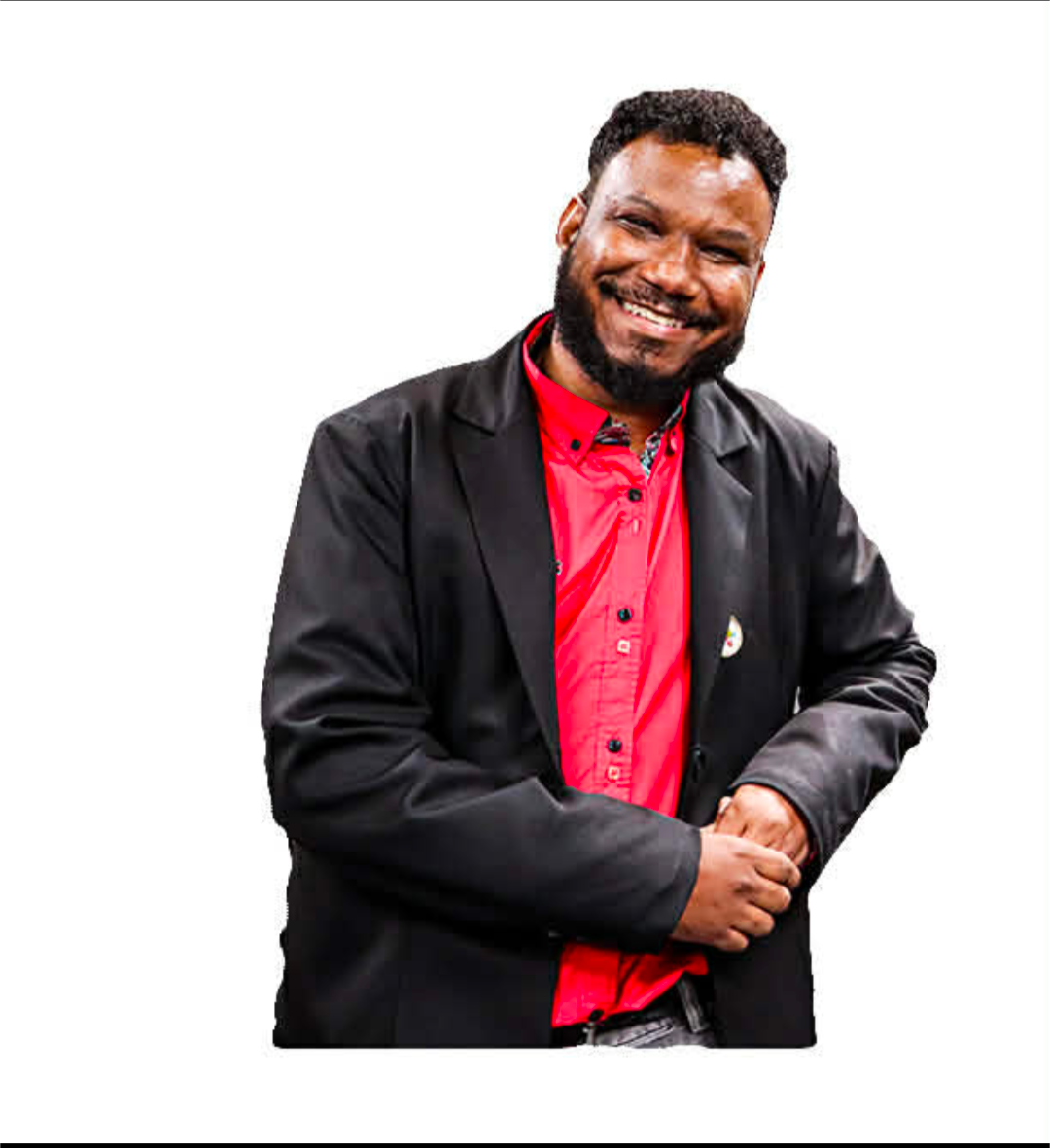
Anthony Tilghman Matters: An Environmental Voice Inside the Beltway
For decades, the environmental movement has struggled to connect with urban Black communities. In the late 1980s and early ’90s, fundraising networks modeled on the United Way often found little traction among Black middle-class communities, who didn’t see “tree‑hugger” causes as relevant to their daily lives. Groups like the Sierra Club, Audubon Society, and others were perceived as outside‑the‑Beltway organizations — largely white, largely suburban, and often disconnected from the realities of communities inside the Beltway.


That’s what makes Anthony Tilghman’s candidacy so important.
Tilghman is a Commissioner in District Heights, Maryland, a compact, working‑class city of older homes and dense neighborhoods just inside the Capital Beltway. It’s not the kind of place most people associate with wetlands or ecological concerns. Yet District Heights sits atop tributaries that feed the Anacostia River, which flows into the Potomac, the Chesapeake Bay, and ultimately the Atlantic Ocean. What happens in District Heights — every storm, every flood, every runoff event — ripples outward into the region’s most vital waterways.
Tilghman understands this. The community has already acted locally:
- Championing Safe Passage programs so children can walk to school safely despite flooded sidewalks and broken infrastructure.
- Launching a workforce development lab that ties economic opportunity to environmental jobs — stormwater management, green infrastructure, and climate resilience careers that support families while protecting communities.
This is not abstract policy. It is lived reality in a majority‑Black town where flooding damages homes, strains city services, and endangers seniors and schoolchildren. Tilghman is showing that sustainability is not a luxury for affluent suburbs; it is a necessity for urban communities inside the Beltway.
Under his stewardship, District Heights became the first municipality in the county to establish an in-house workforce development lab. That matters because sustainability should create jobs, not just regulations. Our lab connects residents to training and career pathways, including opportunities tied to environmental work — from green infrastructure and maintenance to energy efficiency and public works. Climate resilience and workforce development should move together, not separately.
As he runs for the Maryland General Assembly in District 25, Tilghman brings something rare: a bridge between local experience and statewide environmental priorities. He is proof that ecological stewardship is not confined to rural landscapes or suburban enclaves. It is just as urgent in places like District Heights, where wetlands and tributaries quietly shape the health of the Chesapeake Bay.
For organizations like the Sierra Club, this is the moment to recognize a candidate who embodies their mission in a community where environmental advocacy has too often been absent. Tilghman is not only fighting for wetlands and stormwater infrastructure — he is reframing sustainability as a matter of equity, safety, and opportunity.
He has also been steadfast in warning constituents of the potential dangers of poorly-planned data centers, including the impact on utility costs, air and water quality, and environmental impact. This is a particularly courageous act as so many politicians in both political parties have chosen to support data centers despite clear and present risks.
Endorsing Anthony Tilghman means endorsing a future where environmental justice is woven into the fabric of every Maryland community, inside and outside the Beltway alike.