

🌾 Agritourism: Maryland’s Untapped Engine for Rural Vitality
By Barry O’Connell
October 5, 2025
Maryland’s tourism strategy has long revolved around hotel occupancy, urban events, and coastal attractions. But there’s a quieter opportunity growing in the fields, orchards, and vineyards of rural Maryland—one that could redefine how we think about economic development, visitor engagement, and regional equity.
It’s called agritourism, and it’s not just charming—it’s strategic.
🧭 What Is Agritourism?
Agritourism is the fusion of agriculture and tourism. It invites visitors—often from urban or suburban areas—to experience rural life firsthand. These aren’t passive sightseeing trips. Agritourism is immersive, educational, and often delicious.
Common Agritourism Activities:
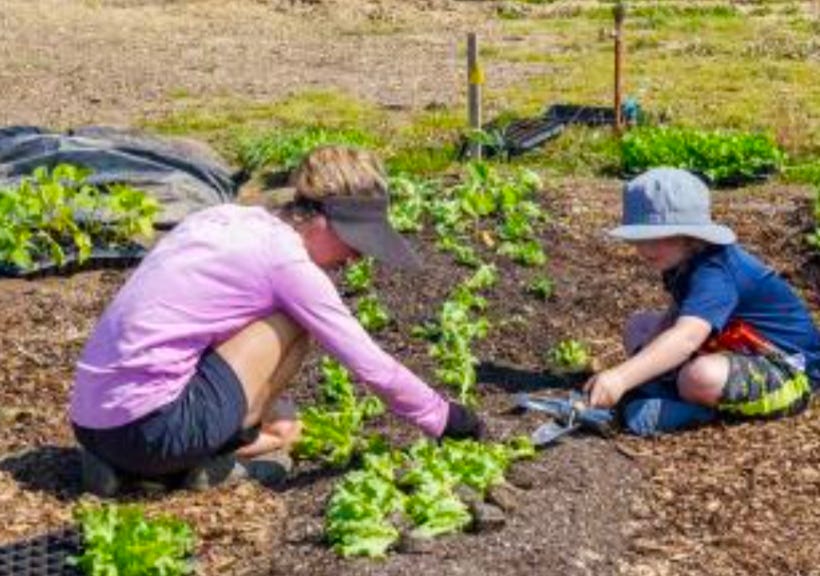
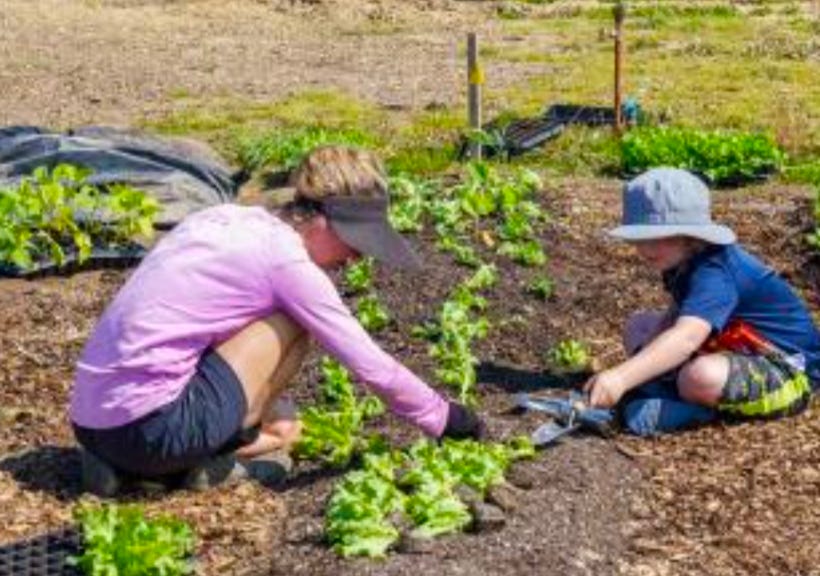
- Pick-your-own fruit and vegetables
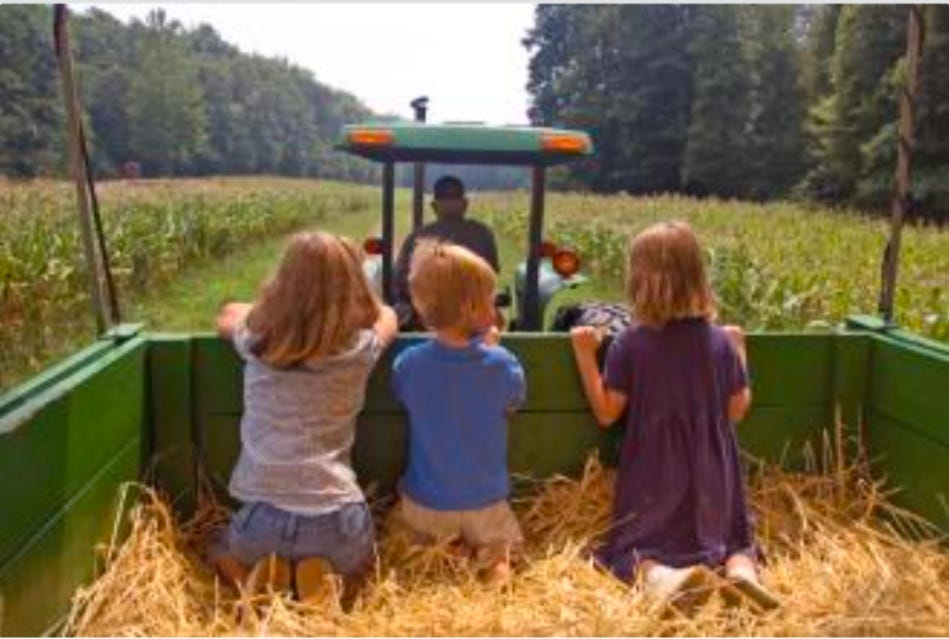
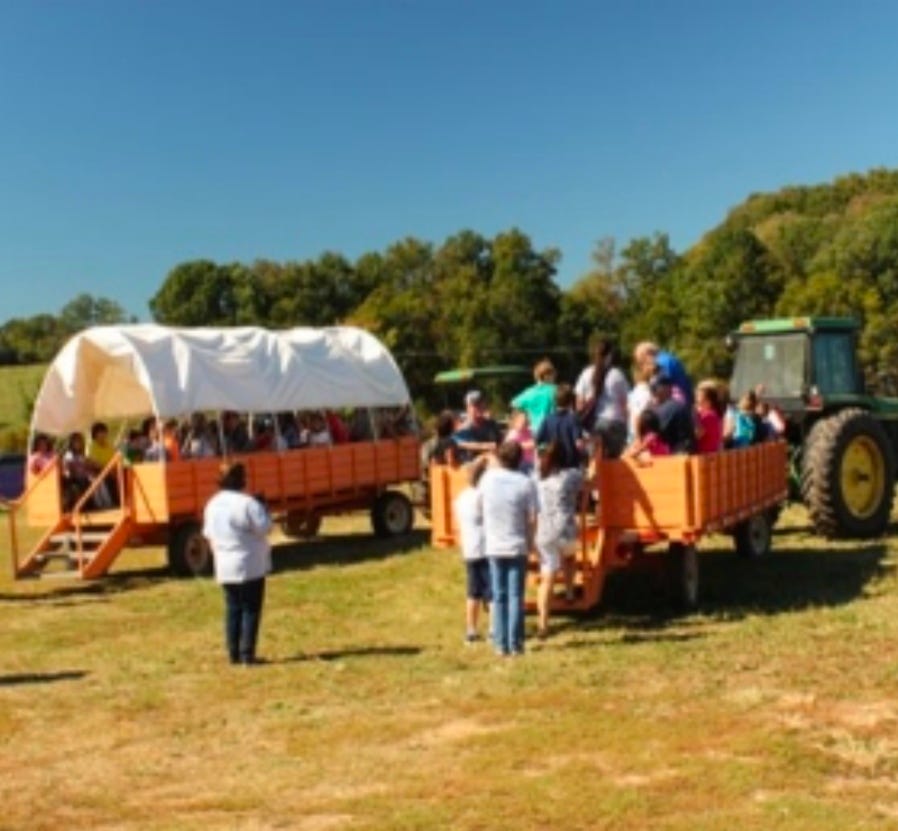
- Farm tours and hayrides
- Wine tastings and cider flights
- Cheese-making or bread-baking workshops
- Farm-to-table dinners
- Seasonal festivals (sunflower mazes, pumpkin patches)
- Animal encounters (goat yoga, horseback riding)
- Craft markets featuring local makers
- Overnight stays in farm cottages or glamping tents
Agritourism is already thriving in places like Northern Baltimore County, where local farms have organically built a visitor economy without much state coordination. It’s a model worth studying—and scaling.
👫 A Sample Agritourism Day: Young Professionals from D.C.
Imagine a couple in their early 30s, living in Washington, D.C., working in tech and policy. They want a weekend escape that’s restorative, experiential, and Instagram-worthy. Here’s what their day might look like in Northern Baltimore or Frederick County:
☀️ Morning
- Arrive at a heritage farmstead with rolling hills and a restored barn.
- Enjoy coffee and fresh pastries made with local grains.
- Take a guided farm tour focused on regenerative agriculture and heirloom crops.
- Pick apples in the orchard and sample fresh cider.
🍽️ Midday
- Lunch at a farm-to-table café featuring seasonal produce and local cheeses.
- Visit a nearby vineyard or craft cidery for a tasting flight and chat with the vintner.
🌻 Afternoon
- Stroll through a sunflower maze or lavender field.
- Attend a hands-on workshop: sourdough baking, mushroom foraging, or herbal tincture making.
🌙 Evening
- Sunset dinner in the barn with live acoustic music and communal tables.
- Optional overnight stay in a cozy cabin or glamping tent with a fire pit and stargazing.
This isn’t fantasy—it’s already happening in pockets across Maryland. The challenge is making it accessible, visible, and supported statewide.
💡 Why Agritourism Matters
Agritourism offers a rare trifecta:
- Economic resilience for farmers and rural communities
- Authentic experiences for visitors
- Sustainable development rooted in place and tradition
It also aligns with broader trends:
- Millennials and Gen Z travelers seek experiential escapes over passive sightseeing.
- Local food systems and regenerative agriculture are gaining traction.
- Rural areas need diversified revenue streams to stay viable.
Maryland’s proximity to major markets—D.C., Philadelphia, even Gettysburg—makes it uniquely positioned to benefit. Visitors already cross the Mason-Dixon line for battlefield tours. Why not extend the weekend into Frederick’s farm country or Harford’s cider mills?
🗺️ Strategic Zones Worth Watching
- Northern Baltimore County: Already a leader in agritourism, despite minimal state support.
- Frederick and Carroll County: Rich in history, farmland, and artisanal producers.
- Eastern Shore: Under-leveraged for weekend escapes from Philly.
- Southern Maryland: Calvert, Charles, and St. Mary’s Counties offer waterfront charm and agricultural heritage.
- Prince George’s County: A potential bridge between urban visitors and rural experiences.
These regions don’t need rescue—they need recognition, coordination, and investment.
🧠 What Comes Next?
Governor Moore’s July 28 Executive Order on agritourism and entrepreneurship is a promising signal. It acknowledges the role of farming in Maryland’s economy and culture—and the need for intergovernmental coordination.
Legislation is reportedly in development to modernize Maryland’s tourism governance. Whether or not it succeeds, the conversation is overdue.
Agritourism isn’t just a niche—it’s a strategy. And if Maryland wants to build a visitor economy that reflects its full richness, it must look beyond hotel rooms and toward the fields.
📚 Footnotes
TravelPulse: Millennials and Gen Z Want Experiences, Not Just Destinations
Civil Eats: Regenerative Agriculture Gains Ground
Brookings: Rural America Needs a New Economic Narrative
Maryland Executive Order 01.01.2025.18 – Governor’s Intergovernmental Commission for Agriculture
You forgot all of the agritourism in Cecil County.