

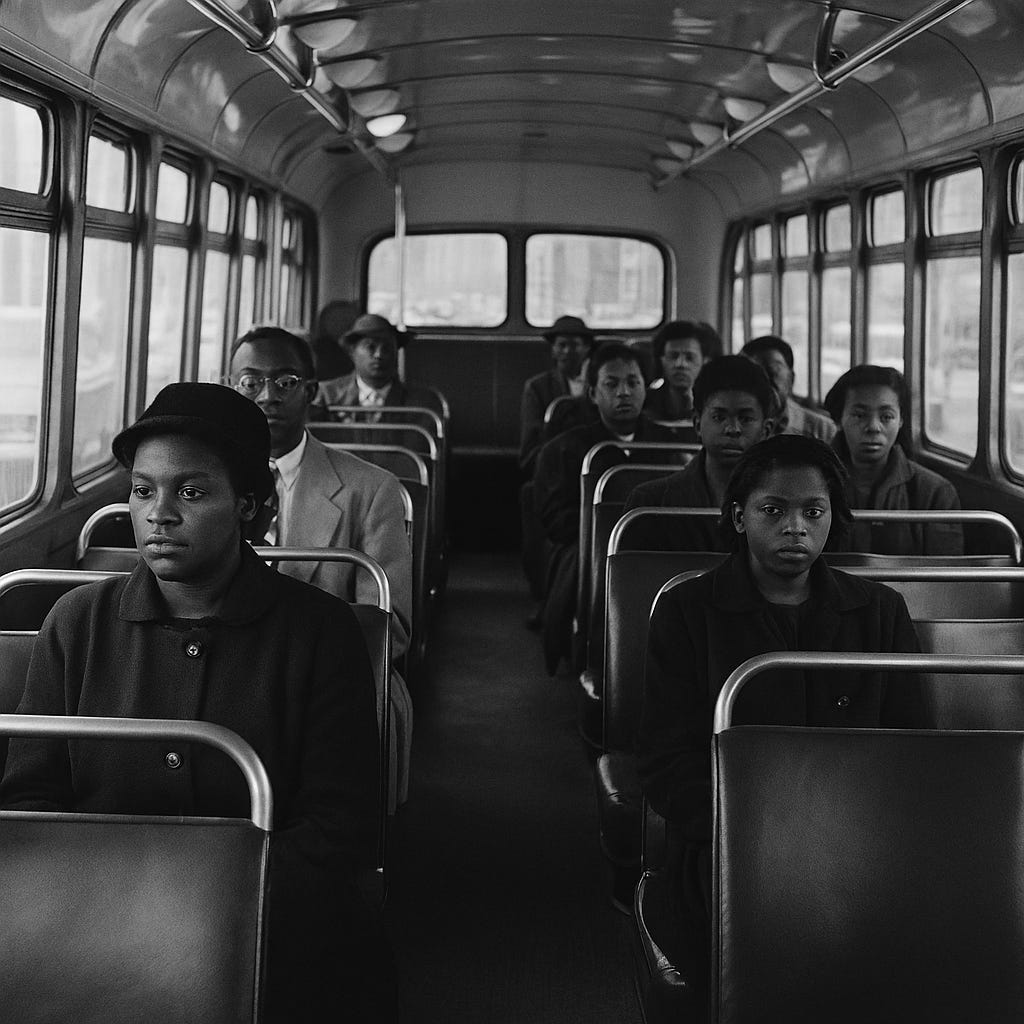
Maryland’s Uneasy Divide in Black Political Identity
There’s a growing discomfort among African-American Marylanders that white folks barely notice. It isn’t just about skin color—it’s about origin, history, and who carries the legacy of slavery, Reconstruction, Jim Crow, and the Civil Rights era in their bloodline.
African-American readers tell me they keep track of who’s truly “African American” and who’s Afro-Caribbean, African, or otherwise. And they’re not shy about pointing out the difference.
The Distinctions People Make
- Jocelyn Peña-Melnyk: African ancestry, yes. But she didn’t set foot in the U.S. until age eight. To many, that makes her Afro-Caribbean, not African-American.
- Governor Wes Moore: Jamaican on his mother’s side, African on his father’s. His mixed heritage doesn’t seem to bother people as much—but he’s not seen as “African-American” in the traditional sense.
- Attorney General Anthony Brown: Swiss-Caribbean, with a mother from Switzerland and a father of Cuban birth and Jamaican ancestry. Again, not “African-American” in the eyes of many.
- Lieutenant Governor Aruna Miller: A woman of color, yes. But Indian-American, not African-American.
- Speaker Adrienne Jones: A hero precisely because she is both of African ancestry and American origin. Her family lived through slavery, Reconstruction, Jim Crow, and Civil Rights. She represents continuity, not a “Johnny-come-lately.”
The Frustration
The frustration is clear: there are damn few African-Americans in senior leadership positions in Maryland.
Instead, power is concentrated among:
- White leaders like Brooke Lierman and Bill Ferguson.
- Afro-Caribbean leaders like Aisha Braveboy.
- Descendants of slaveholders like Steuart Pittman, who lives in a mansion built and sustained by enslaved labor, on land tilled by slaves, with wealth created by slaves. He says he’s sorry, but he hasn’t offered restitution or reconciliation.
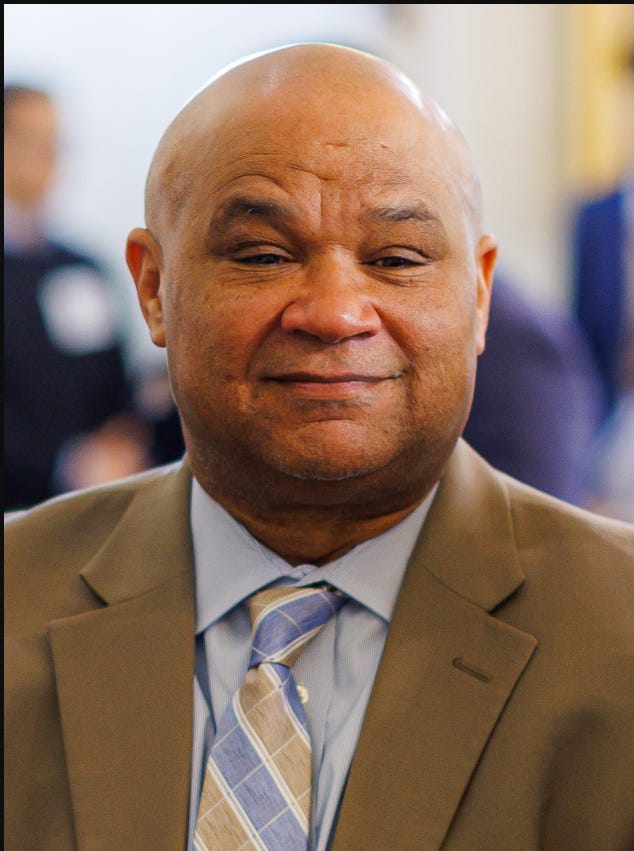
A Beloved Leader: Derek E. Davis
Amid this landscape, one name shines: State Treasurer Derek E. Davis.
African-American readers speak of him with pride. Why? Because he is not a newcomer. He is one of them. His family has been here for generations—through slavery, through Reconstruction, through Jim Crow, through Civil Rights, and beyond. He represents the people who built America, who built Maryland, who endured and persevered.
Davis is loved not only because of his heritage, but because of his work ethic. He works tirelessly, he delivers results, and he carries himself with dignity. People feel he is “one of us”—a true African-American leader who embodies both history and responsibility.
The Call for Equality
African-American readers tell me: enough is enough. When vacancies arise, why are African-Americans so often passed over? Why are they treated as if their heritage is somehow inferior, as if the legacy of slavery and survival through centuries of oppression counts for less than Caribbean or African lineage—or less than white privilege?
They remind me of the old constitutional insult: a Black man counted as three-fifths of a white man. Today, some feel African-Americans are still being treated as fractional, as less than equal even among people of color.
Elevate African-Americans
The call is simple: raise up African-Americans. Treat them with dignity. Recognize that they built this state. Stop bumping them aside. Stop treating them like dogs.
⚠️ Note from me:
All the sharp and biting parts above are not my personal opinion. I’m conveying the impressions and frustrations voiced to me by African-American readers in Maryland. I respect and value all communities—Black, white, Caribbean, African, Indian, and beyond. But it’s important to acknowledge that many African-Americans feel overlooked, diminished, and sidelined in their own state’s leadership.
Institutional racism and misogyny are the Achilles heel of this state and this country.
I direct you to former SBDC director Paul Bardack’s witness testimony in Annapolis in support of the 50 million Equitech Growth Fund under management by TEDCO - an agency slapped with two race and gender lawsuits in 2022:
https://mgaleg.maryland.gov/cmte_testimony/2023/wam/1M5MNdJ93nUeiMEK8be9_Q1ehJ_E6bW6D.pdf
And nowhere is racism more observable than in the wholesale theft of black owned farms and land by the USDA throughout the 20th century. The country built its industry and agriculture production on the backs of black enslaved labor.
Although this historical essay was published over 25 years ago, it provides context for the Maryland marine industry and African American labor: Black Men, Blue Waters:
https://www.mdsg.umd.edu/sites/default/files/files/MN16_2_BlackMenBlueWaters.PDF
And Maryland lost a a great leader of Maryland Chesapeake Bay African American history, Vince Leggett, a year ago. His foundation carries out his work:
https://www.blacksofthechesapeake.com
You will not find parity in farming or the marine industry in Maryland.
I am truly sorry if someone feels this way. I always consider the person, not the color.