

Afghan Refugees in Maryland Face New Trauma Amid National Guard Shooting and Immigration Crackdown
Introduction: Maryland’s Afghan Community in the Crosshairs
Maryland today is home to thousands of Afghan refugees, many of whom arrived under emergency resettlement programs after the U.S. withdrawal from Kabul. They remain in a liminal stage—sheltered by government support but not yet citizens, caught between gratitude for safety and anxiety about their future.
The recent shooting of two West Virginia National Guard troops in the occupation of Washington DC, allegedly by an Afghan national of Pashtun origin, has sent shockwaves through this community. For Afghans in Maryland, the incident is not just another headline—it is a reminder of the precariousness of their position. With President Trump ordering a halt to further Afghan immigration, the trauma compounds: those already here face suspicion, while those still abroad are cut off from escape. Maryland’s Afghan population, already navigating cultural displacement, now bears the weight of both national security fears and political exclusion.
The Taliban as Tribe: Identity Beyond Politics
To understand why such incidents occur, we must look beyond the surface narrative of “terrorism” or “radicalization.” The Taliban is not merely a political organization—it is deeply rooted in Pashtun tribal identity.
- Pashtunwali as Code
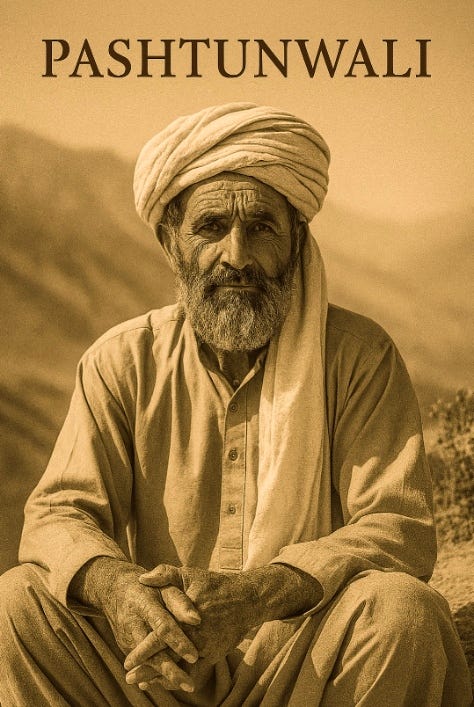
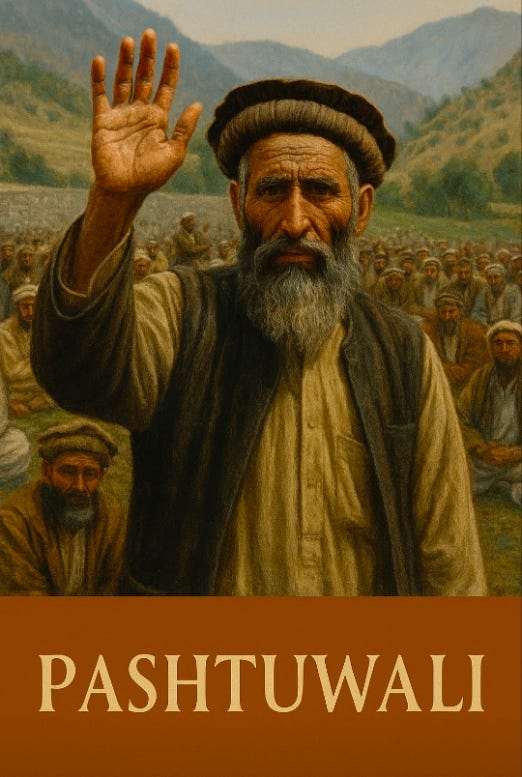
Pashtun identity is governed by Pashtunwali, a tribal code emphasizing honor (nang), revenge (badal), and loyalty to kin. These obligations often outweigh allegiance to state institutions or foreign alliances.
- Taliban and Pashtun Overlap
The Taliban’s rise in the 1990s was inseparable from Pashtun tribal networks. For my vantage point, I always saw Taliban as an exploitation of Pashtun tribal custom by Pakistani ISI. Nobody in our CIA was quite sharp enough to understand what the Pakistanis were doing.
Scholars note that the movement drew legitimacy not only from religion but from Pashtun nationalism. To serve alongside U.S. forces, then, was not just political collaboration—it could be perceived as betrayal of one’s tribe.
- Insider Attacks as Identity Conflict
NATO documented dozens of “green-on-blue” attacks—Afghan soldiers turning their weapons on coalition partners. Analysts linked these incidents to identity tensions: men and sometimes women who had cooperated for years suddenly acted out violently, torn between tribal loyalty and military duty.
- The Dichotomy of Betrayal
For Pashtuns, the line between “Afghan soldier” and “Taliban sympathizer” was never clean. The Taliban was seen by many as an extension of Pashtun identity, not a separate faction. Cooperation with U.S. forces thus carried the stigma of betrayal, a burden that could erupt into violence even after years of apparent loyalty.
Why This Matters in Maryland
Maryland’s Afghan refugees are not Taliban, nor are they defined by Pashtun tribal codes alone. But the shadow of these identity conflicts follows them.
- Community Trauma
When an Afghan national is accused of violence against U.S. troops, the entire refugee community feels the backlash. Suspicion falls broadly, regardless of individual histories.
- Immigration Freeze
Trump’s order halting Afghan immigration cuts off pathways for families still trapped under Taliban rule. For Maryland’s Afghans, it means loved ones remain in danger, while their own integration stalls under political scrutiny.
- Local Impact
Maryland schools, workplaces, and neighborhoods are now part of this story. Refugees here must navigate the dual challenge of proving loyalty to their new home while carrying the weight of tribal and political conflicts they did not choose.
Conclusion: A Failure of Understanding
The U.S. government’s greatest failure in Afghanistan was not military—it was cultural. By treating the Taliban as a separate political enemy rather than an expression of Pashtun tribal identity, policymakers ignored the deep loyalties that defined Afghan society.
That failure now echoes in Maryland. Refugees here are caught between suspicion and exclusion, their trauma compounded by policies that close doors rather than open them. To understand the Afghan refugee experience in Maryland, we must reckon honestly with the tribal dynamics of Pashtun identity and the ways in which our own misreadings of Afghanistan continue to shape lives far from Kabul.
Suggested Reading
- Kriti M. Shah, The Pashtuns, the Taliban, and America’s Longest War (Asian Survey, 2017)
- Amy Chua, Political Tribes: Group Instinct and the Fate of Nations
- Taj Mir Khan, The Complexities of Nationalism: Pashtun Identity, Political Struggles, and Regional Conflicts (The Friday Times, 2025)