

Izzy Patoka’s Comfort Politics and the Cost to Baltimore County Voters
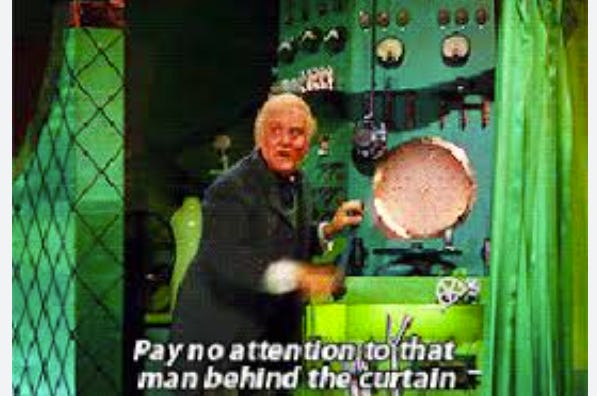
In The Wizard of Oz, when Dorothy finally confronts the man behind the curtain, she tells him, “I think you are a very bad man.” He replies, “Oh, no, my dear; I'm really a very good man, but I'm a very bad Wizard.” It’s a moment of reckoning—where good intentions are no longer enough to excuse poor leadership.
That line could just as easily apply to Baltimore County Councilman Izzy Patoka.
Patoka isn’t a villain. He’s not driven by hatred or malice. But he is driven by comfort, his deep allegiance to the status quo that has long excluded Black residents, women, and other underrepresented groups from meaningful power in Baltimore County. And in his pursuit of political stability, he’s become a very good man… just a very bad councilman.

Take the decades-long absence of public swimming pools. It wasn’t openly racist policy. Izzy acquiesced to quiet exclusion. The logic was simple: if pools were public, Black families might swim alongside white ones. So instead, the County leaned on private swim clubs, which were Christian, Jewish, Catholic, and Protestant—but never Black. The result? Generations of Black children denied access to a basic public good.
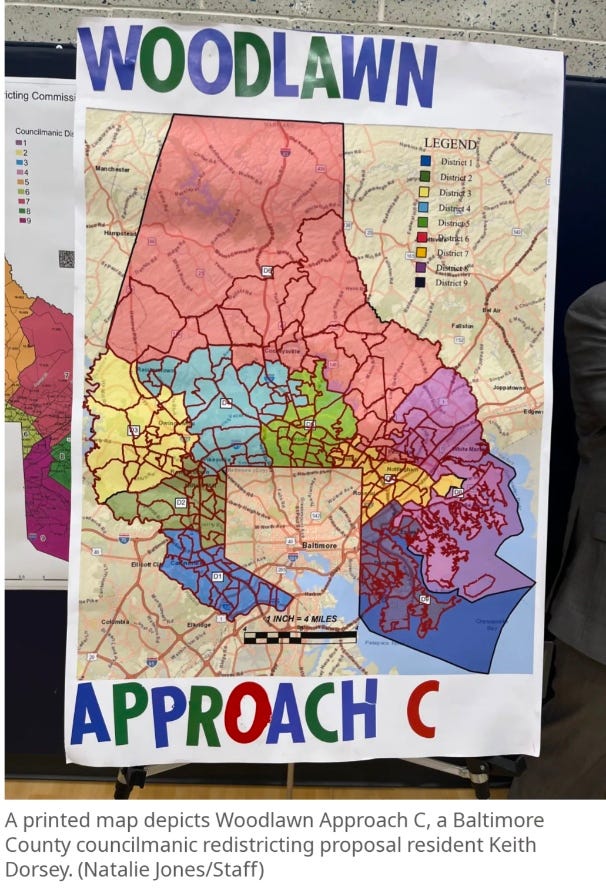
Fast forward to the redistricting fight. Patoka’s district is now 55% non
-white. Yet he resists any map that might disrupt his safe Jewish seat or challenge the comfort of colleagues like Mike Ertel. The idea of adding two new Council seats to reflect demographic reality? Not a priority. Not because he hates Black voters, but because he doesn’t prioritize them.
The same pattern played out in the Inspector General appointment. A qualified Black candidate was proposed. Patoka objected, not on merit, but on inertia. He liked the current white Inspector General. He didn’t want change. And he persuaded others to block the appointment, leaving brave and honest Julian Jones Jr. as the lone dissenting voice.
This isn’t overt racism. It’s something more insidious: a politics of comfort that treats Black voters, women, and marginalized communities as expendable. Patoka’s decisions consistently favor the familiar over the fair. And while he may see himself as a good man, his record shows a councilman unwilling to fight for the full electorate.
In a county this diverse, leadership demands more than good intentions. It demands courage to disrupt the status quo, to prioritize equity over ease. Patoka may not be a bad man. But his comfort-first politics are doing real harm.
And like the Wizard of Oz, it’s time to pull back the curtain.