

MARYLAND WIRE — FEATURE MAGAZINE SPREAD
District 9: The Candidates Shaping Southern Prince George’s Future
District 9 at a Turning Point
Prince George’s County District 9 — a region defined by its rapidly growing communities, evolving economic landscape, and diverse neighborhoods — enters another election cycle with a field of candidates who bring distinct voices, professional experiences, and visions for the future.
From longtime community advocates to small‑business owners and public‑service professionals, the District 9 race reflects the county’s search for grounded leadership in a time of local transformation.
In this Maryland Wire feature, we highlight four notable candidates stepping forward to represent District 9.
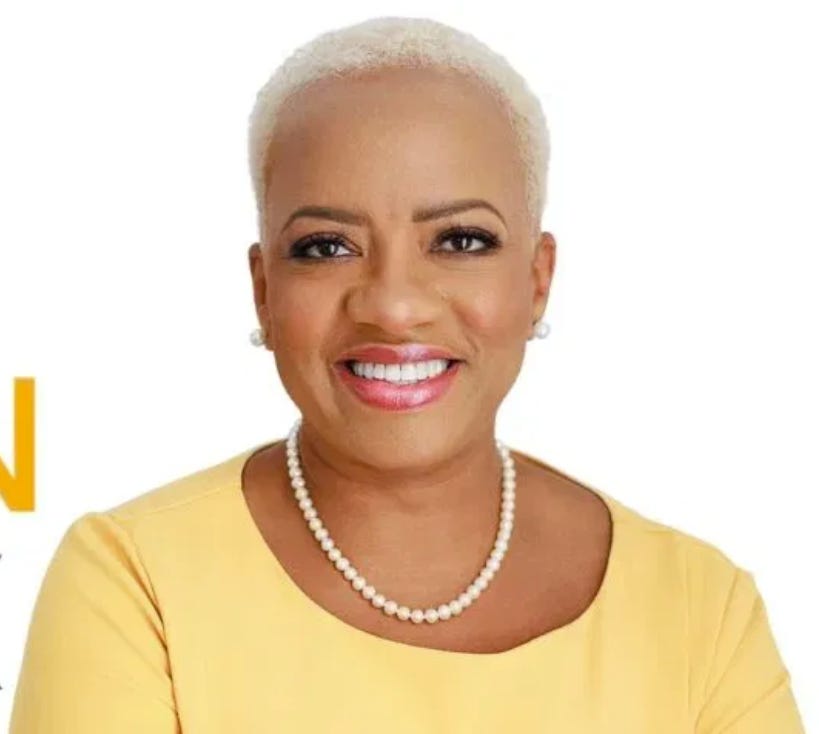
Tamara Davis Brown
The Veteran Policy Voice
Tamara Davis Brown brings decades of legal and policy experience to the race. Known for involvement in issues ranging from land use to community development, Brown has been a consistent presence in civic spaces across Prince George’s County.
Brown’s supporters often cite deep familiarity with county processes and a reputation for meticulous attention to policy detail. Critics, meanwhile, seek clarity on how such expertise translates into next‑generation leadership.
What is clear is that Brown enters the race with a long record of public engagement and a view that District 9 deserves a representative who understands the mechanics of government as much as the concerns of residents.
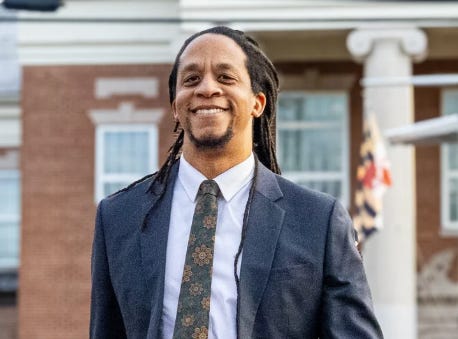
Imara Crooms
The Anti-Corruption, Professional
Imara Crooms’ background in public service- a career focused on anti-corruption, democratic principles and good governance, and decades committed to organizing neighbors to fight the status quo - positions him as a candidate focused on service systems, resource coordination, and equitable access. Crooms career spans the globe and the breadth of government- his role has been to implement the tools to measure progress and ensure accountability at every level of public administration.
This lens shapes a platform centered on operational efficiency: infrastructure upkeep, accountability in public spending, and strengthening county services- ensuring that South County has a voice in decision making and investment. Crooms’ candidacy resonates especially with voters looking for leadership that understands, and is willing to challenge, the machinery behind county operations.
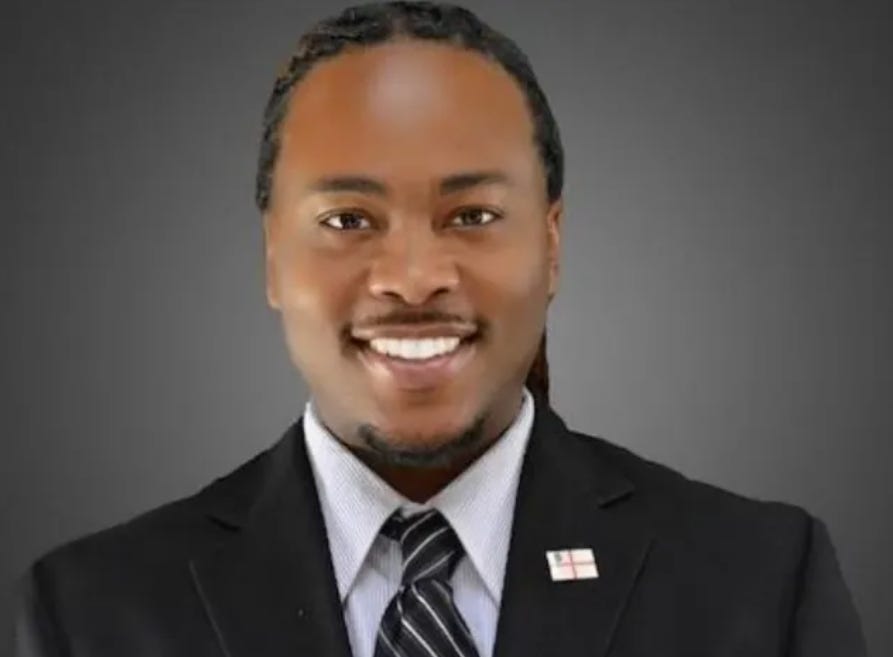
Sherman Hardy
The Community‑Driven Organizer
A familiar figure in the district, Sherman Hardy has built a reputation through community organizing, veterans’ advocacy, and neighborhood‑level problem solving. Hardy often emphasizes lived experience — housing insecurity, economic mobility, and public safety — as a foundation for policy ideas.
Hardy’s supporters point to accessibility and responsiveness, describing the candidate as someone who shows up physically and consistently.
This grassroots philosophy positions Hardy as a candidate aiming to be a direct conduit between residents and county government.
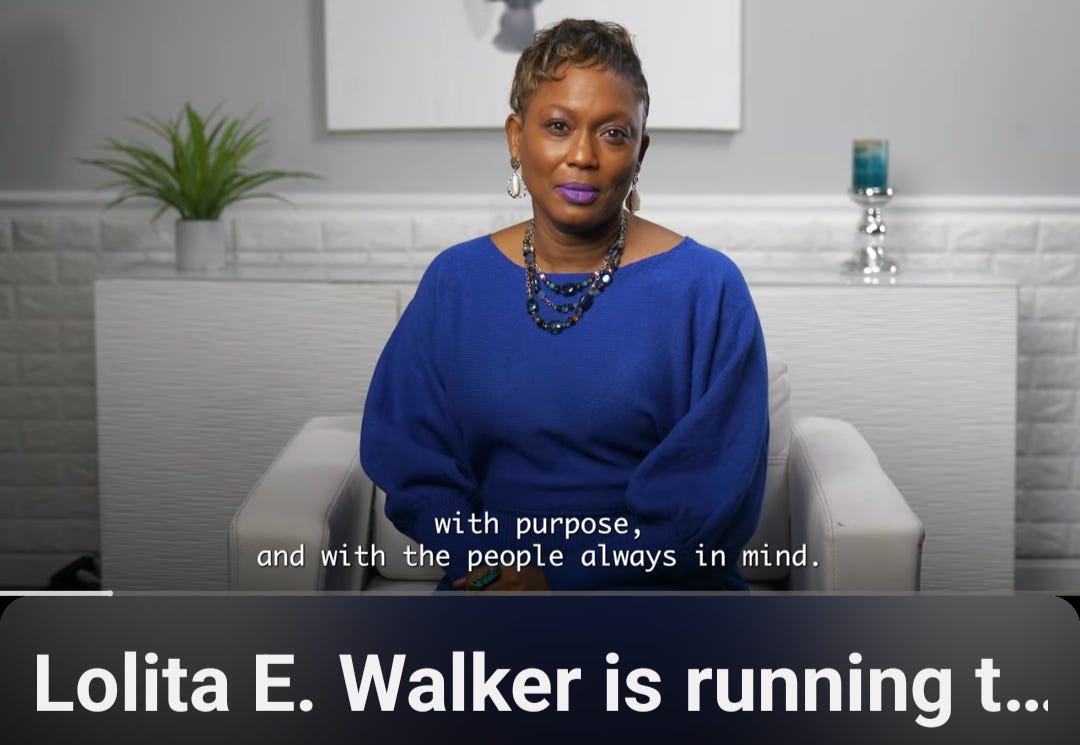
Lolita E. Walker
The Leadership Coach Turned Civic Voice
Lolita E. Walker enters the race with a background in leadership coaching, motivational speaking, and community empowerment programming. Walker’s professional life revolves around helping individuals and organizations elevate performance, communicate clearly, and build momentum toward goals.
Walker’s approach to governance reflects this coaching style: emphasizing collaboration, vision‑setting, and resident‑driven dialogue.
The candidate appeals to voters interested in creative problem‑solving and a fresh communication‑centered perspective.
Saquan Swint
The Invisible Candidate
I don’t see any publicly available information.
A District Watching Closely
While each candidate brings a unique background and leadership philosophy, common themes dominate the District 9 conversation:
• Sustainable development and traffic management
• School system support
• Fair distribution of county resources
• Public safety
• Preserving community character amid rapid growth
District 9 voters will ultimately decide which candidate best reflects the future they want to shape — whether that’s policy expertise, administrative experience, grassroots commitment, or leadership coaching with a modern twist.