


Joseph C. Bryce, Esq. - Manis Canning & Associates
The 15 Ghost Licenses: Why Maryland’s On-Premises Cannabis Lounges Don’t Exist (and Won’t Anytime Soon)
By Barry O’Connell
When the Maryland General Assembly set out to legalize adult-use cannabis, legislative leaders made a point of emphasizing social equity. A key pillar of that promise was the authorization of 15 micro-licenses dedicated specifically to on-premises consumption sites—designed to give entrepreneurs impacted by past enforcement a foothold in a burgeoning multi-million-dollar market.
If you walk around Annapolis today looking for one of those state-sanctioned lounges, you will find exactly zero.
All 15 licenses remain completely empty. They are ghost licenses, created on paper by a nervous legislature that promptly wrapped them in so much regulatory barbed wire that virtually nobody can qualify, locate, or economically operate one.
The Anatomy of Over-Regulation
The paralysis wasn’t an accident; it was an exercise in legislative cold feet. Delegates and senators were terrified of the optics of “pot lounges” opening in their home districts. To quiet those fears, the state stacked restriction upon restriction:
Strict Product Limits: The framework essentially rules out traditional smoked flower or any high-potency products, restricting sites to tightly capped, low-dosage edibles or infused products.
Severe Local Opt-Ins: Local jurisdictions were given sweeping authority to zone, restrict, or effectively veto sites out of existence.
Complex Operational Barriers: Social equity applicants—the very people the program was designed to benefit—are left bearing the immense financial overhead of real estate and security without a viable high-demand product model to support it.
The result is a program that exists purely in theory.
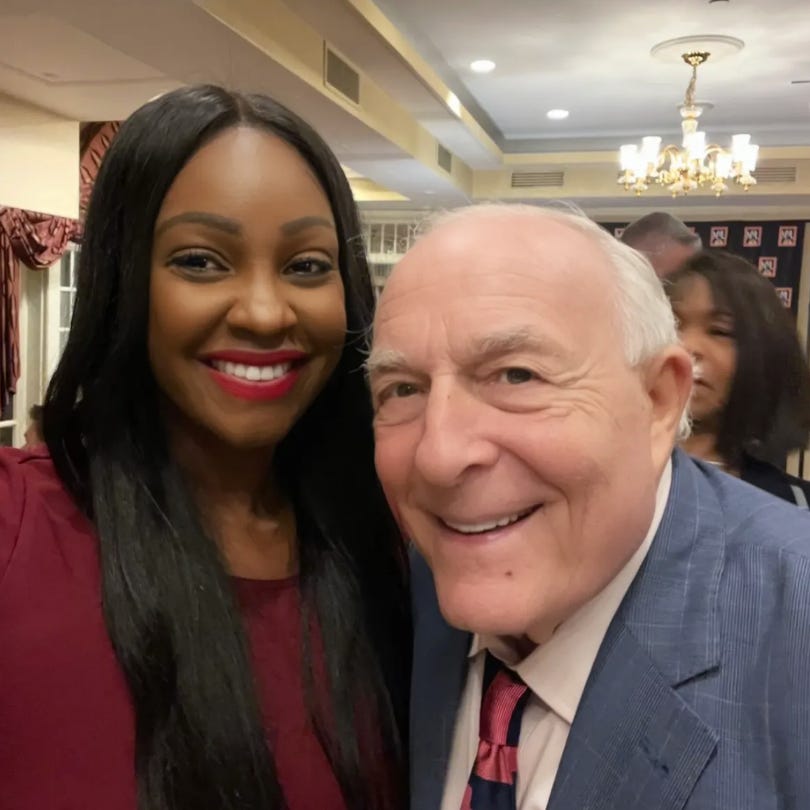
“Nothing to See Here”: What the Top Lobbyists Are Saying
To gauge whether state leaders plan to unstick the mechanism anytime soon, I reached out to the top of the Annapolis lobbying corps.
My first call was to veteran Annapolis strategist Bruce Bereano. When asked about the status of the 15 vacant consumption licenses, Bruce didn’t hesitate to point me toward the primary authority in the room.
“I’m not the best one to talk to on that,” Bruce told me, steering me directly to the lead advocate on state cannabis policy. With a chuckle, Bruce added his own personal disclosure on the subject: “I don’t use the stuff—never have, never will.”
Bereano referred me straight to Joe Bryce of Mannis & Canning, the premier firm representing regulated industries across the state. Mannis & Canning built its reputation representing alcohol distributors and liquor retailers, and they moved aggressively and successfully into the cannabis sector as state regulation evolved.
When I caught up with Joe, he gave a clear, unvarnished reality check on where things stand in the State House.
While insiders across the board recognize that the current lounge restrictions created an unworkable standard, Joe noted that there is simply no political appetite in the building to tackle the issue during the upcoming legislative window.
According to Bryce, while the General Assembly may eventually revisit the framework down the road, nobody should expect a legislative rescue package for the 15 ghost licenses in 2027. For now, the policy remains parked on the back burner.
The Bottom Line
The story of Maryland’s on-premises consumption licenses is a textbook example of statehouse governance: create a high-profile equity program with great fanfare, restrict it out of political fear until it fails to function, and then quietly let it sit unused while the rest of the market moves on.
For operators waiting on state leaders to fix the lounge model, the message from the hall is plain: keep moving, because nothing is happening here anytime soon.
Typical Maryland - a day late, a dollar short. Lots of puffery around “equity.” There’s no equity in Maryland. It’s all about back door deals. But rather ironic isn’t it? The top three spots driving economic development: gubernatorial, Commerce, TEDCO are all minority leadership.
Does anyone really contemplate why the state is currently 45th and 49th in business rankings? Cabinet Secretary’s, Chiefs of Staff, and agency senior leadership refuse to answer questions regarding coordination and governance between state and county.
“Maryland’s Missing Middle” strikes again.